
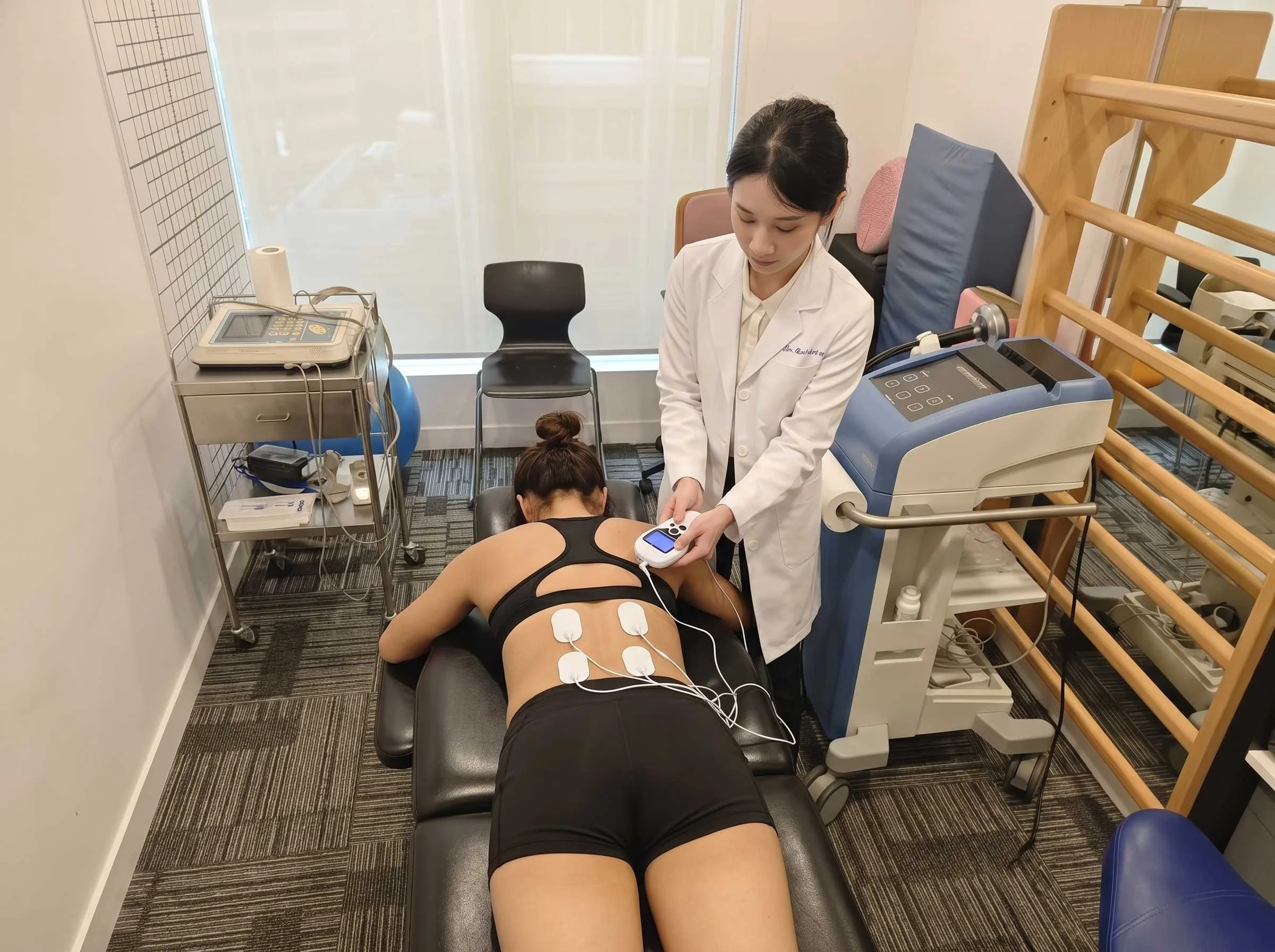
Interferential Current Therapy
Interferential Current Therapy (IFC) is a non-invasive treatment that uses gentle electrical stimulation to help manage pain and support movement.
What is Interferential Current Therapy (IFC)?
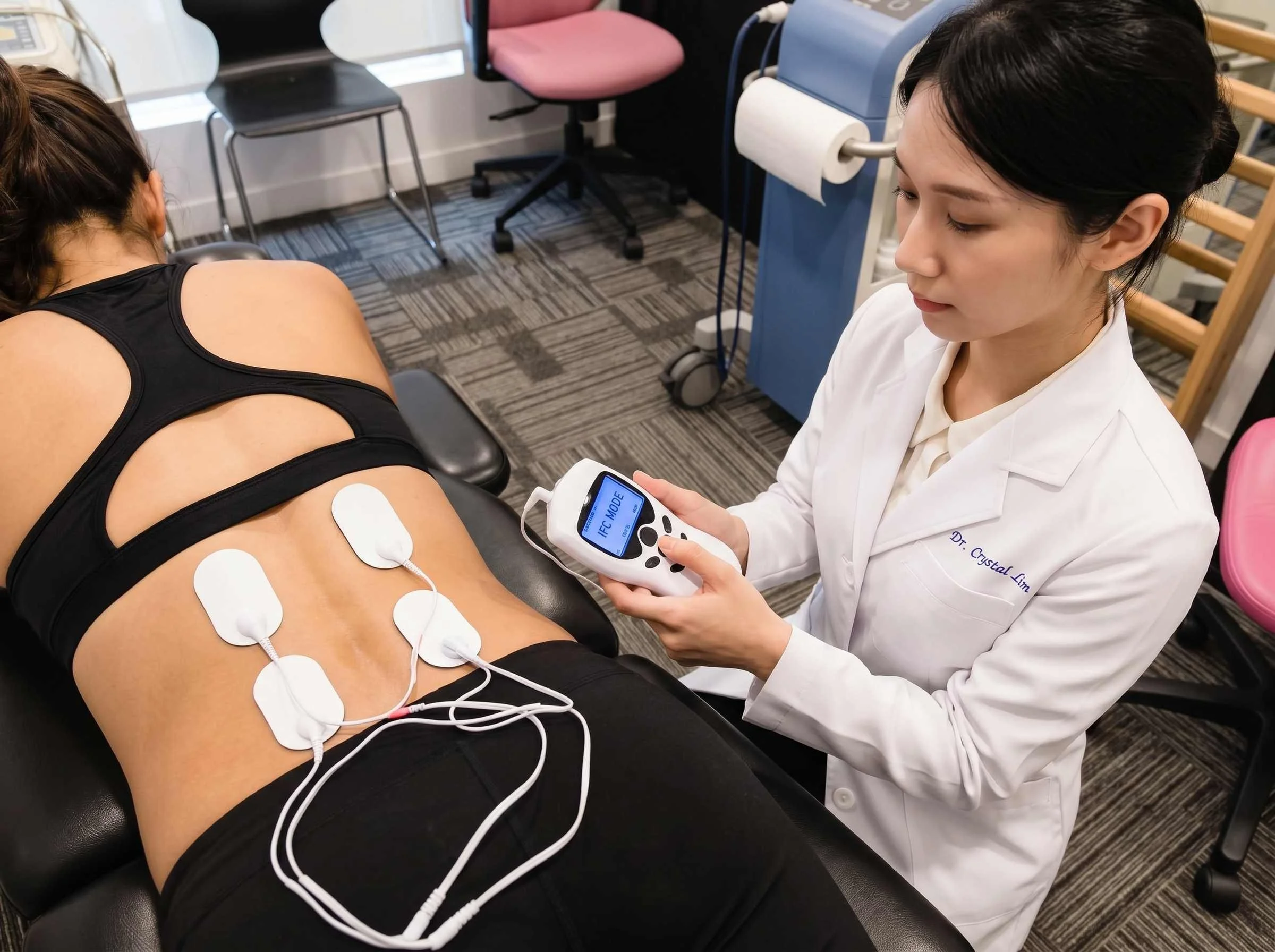
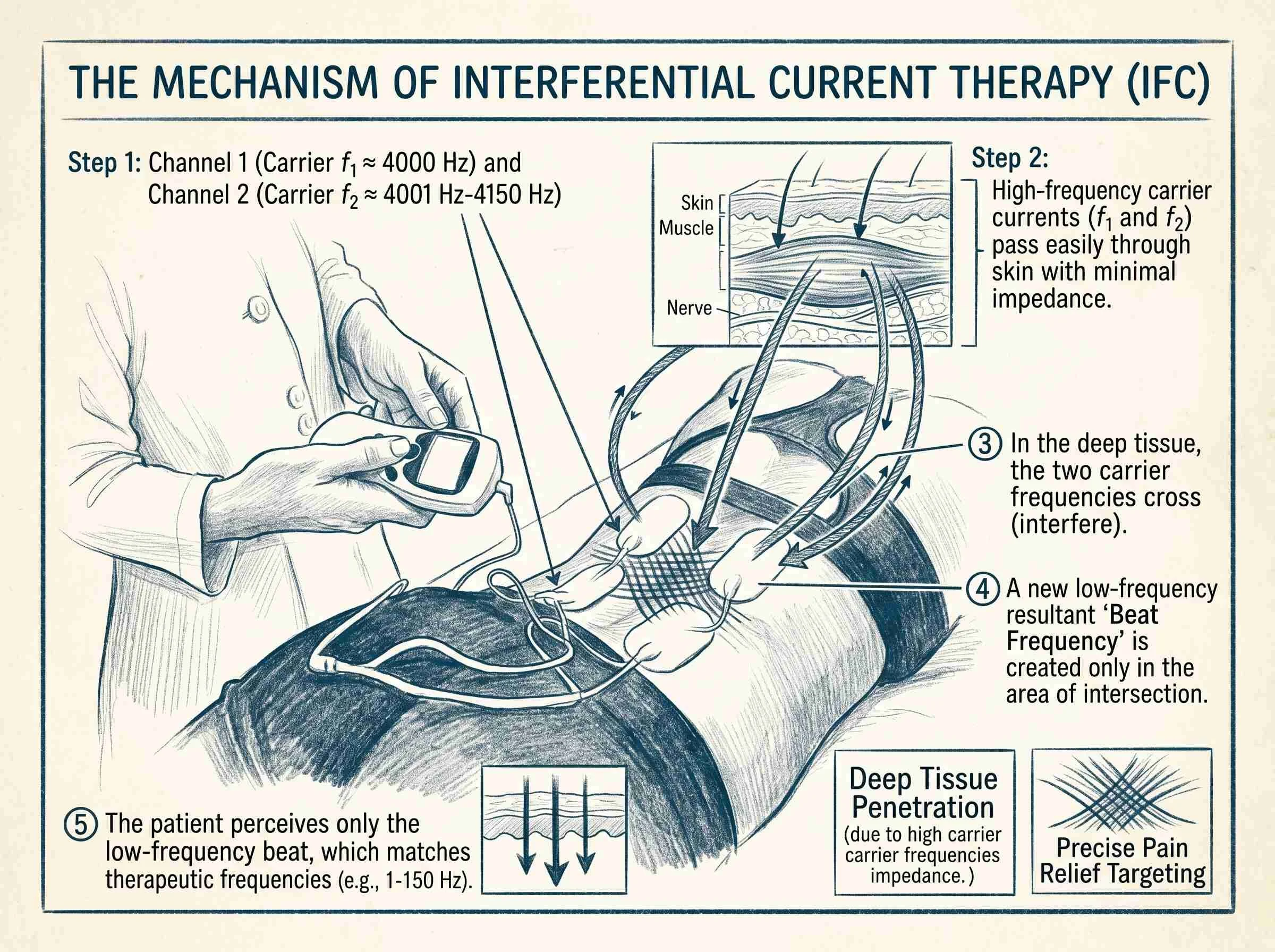
Interferential Current Therapy (IFC) is a form of electrical stimulation delivered through adhesive electrodes placed on the skin near the area being treated. The intensity is adjusted so it feels comfortable—often described as a mild tingling or pulsing sensation.
IFC is commonly used to help reduce pain, decrease muscle guarding, and support short-term improvements in movement. It is often used alongside other treatments such as education, hands-on care, and targeted exercises.
IFC Therapy: When it may be used
IFC may be considered for a range of musculoskeletal presentations, particularly where pain is limiting activity.


Back Pain
Neck Pain




Foot & Ankle Pain
Shoulder Pain
Sciatica / Leg Pain
Headaches
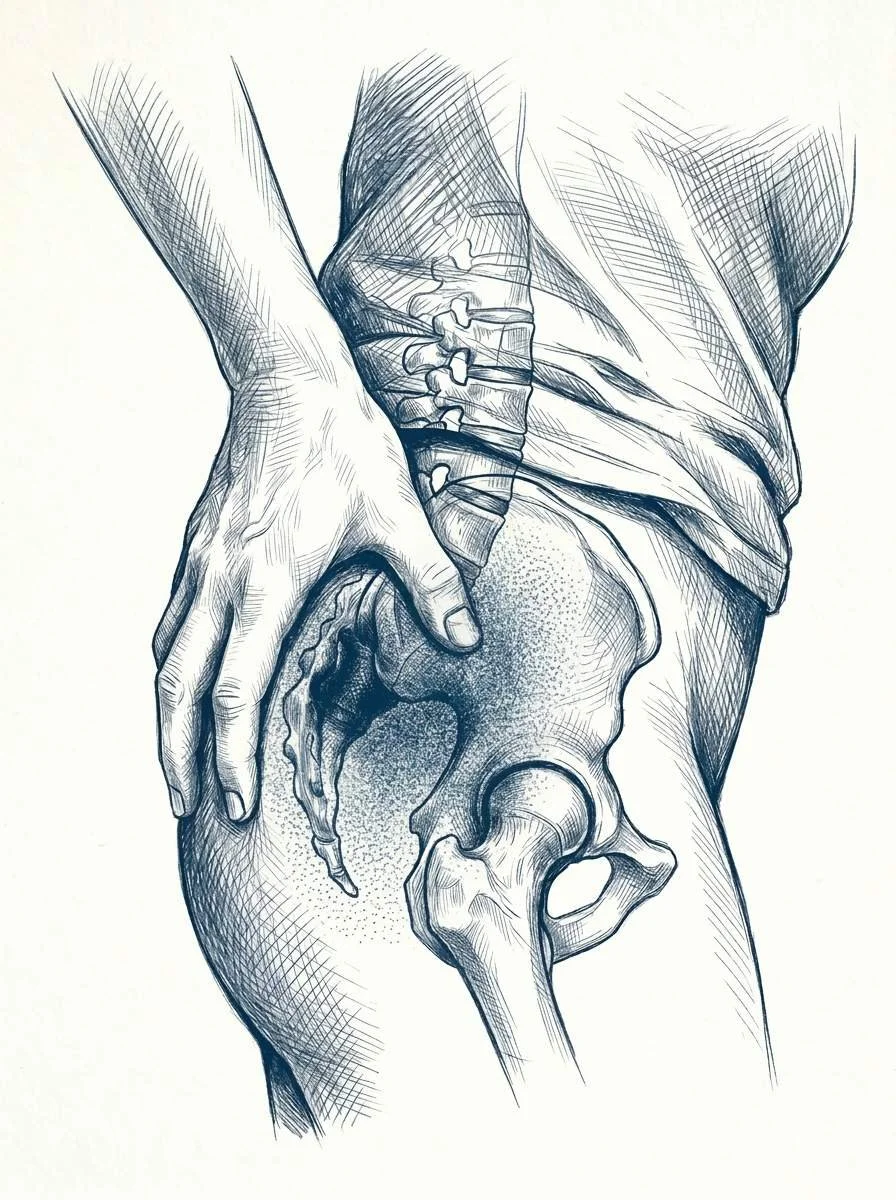
Hip Pain

Numbness & Tingling

Knee Pain

Posture & Desk-Related Discomfort
How IFC is used in our clinic
Integrated care: IFC may be used alongside manual therapy, exercise rehabilitation, and education when appropriate.
Individualised settings: Electrode placement and intensity are adjusted based on your symptoms, comfort, and response.
Safety-focused: We screen for contraindications and check skin sensitivity before and after treatment.
Progress-guided: Your response helps guide whether IFC is continued, adjusted, or replaced with another option.
What to expect during an IFC session
We’ll explain the process and confirm IFC is appropriate for you. Treatment settings are adjusted to remain comfortable, and you can ask to pause or change the intensity at any time.
Step 1: Assessment & planning
We’ll review your symptoms, relevant health history, and treatment goals. If IFC is suitable, we’ll discuss where it may help and what you should feel during treatment.
Step 2: IFC application
Electrodes are placed on the skin near the area being treated. You’ll feel a gentle tingling or pulsing sensation as the intensity is gradually increased to a comfortable level. Treatment time varies, commonly around 10–20 minutes depending on the area and plan.
Step 3: Aftercare & next steps
We’ll reassess your symptoms and movement, then outline the next steps in your plan. This may include exercises, self-management advice, or other in-clinic treatments based on your response.

Expected outcomes
IFC may help manage symptoms in the short term. Individual results vary and are not guaranteed.
Short-term pain relief for some peopleShort-term pain relief for some people

Reduced muscle guarding around the area

Easier movement during daily activities

Better exercise tolerance for rehab

Results vary and are not guaranteed

IFC Therapy FAQs
Find Your Answer
-
A mild tingling or pulsing sensation. It should feel comfortable—tell your clinician if it feels sharp or unpleasant.
-
IFC is commonly applied for about 10–20 minutes, depending on the area and plan.
-
This varies. Some people notice short-term relief after a session, while others need a short course alongside exercise and hands-on care.
-
It’s generally well-tolerated. We screen for contraindications and adjust intensity to your comfort.
-
Often yes—IFC is commonly used alongside rehab exercises and manual therapy.
Latest Articles
Practical guides and clinic updates—articles, events, and community involvement from our team.


Next Steps
If your pain is affecting your work, sleep, or training, we can assess what’s driving it and build a plan that fits your goals. Please contact us or submit the contact form. Our team will respond as soon as possible to confirm availability and next steps.