
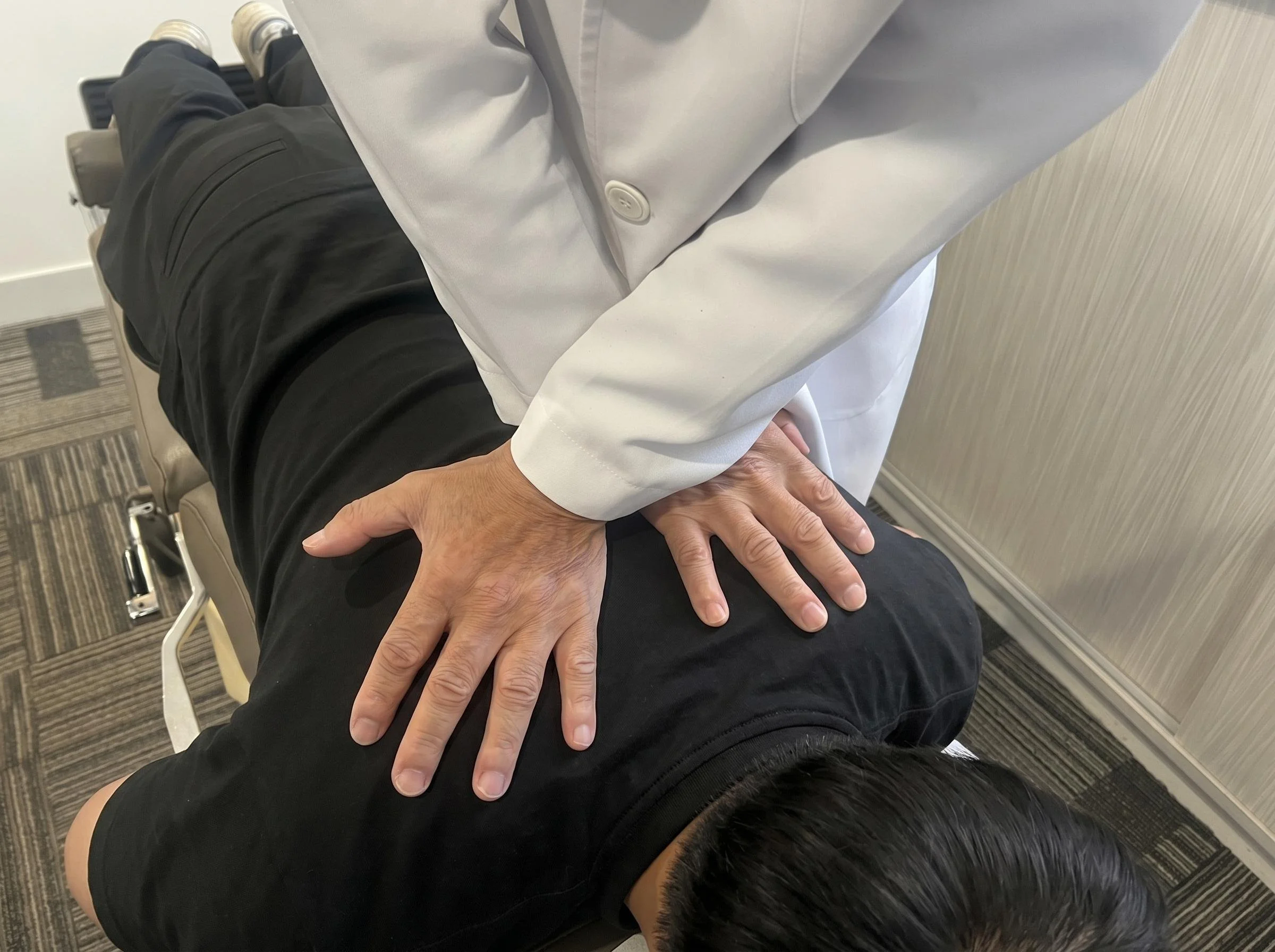
What is Chiropractic Care?
Chiropractic Care, in Plain Language
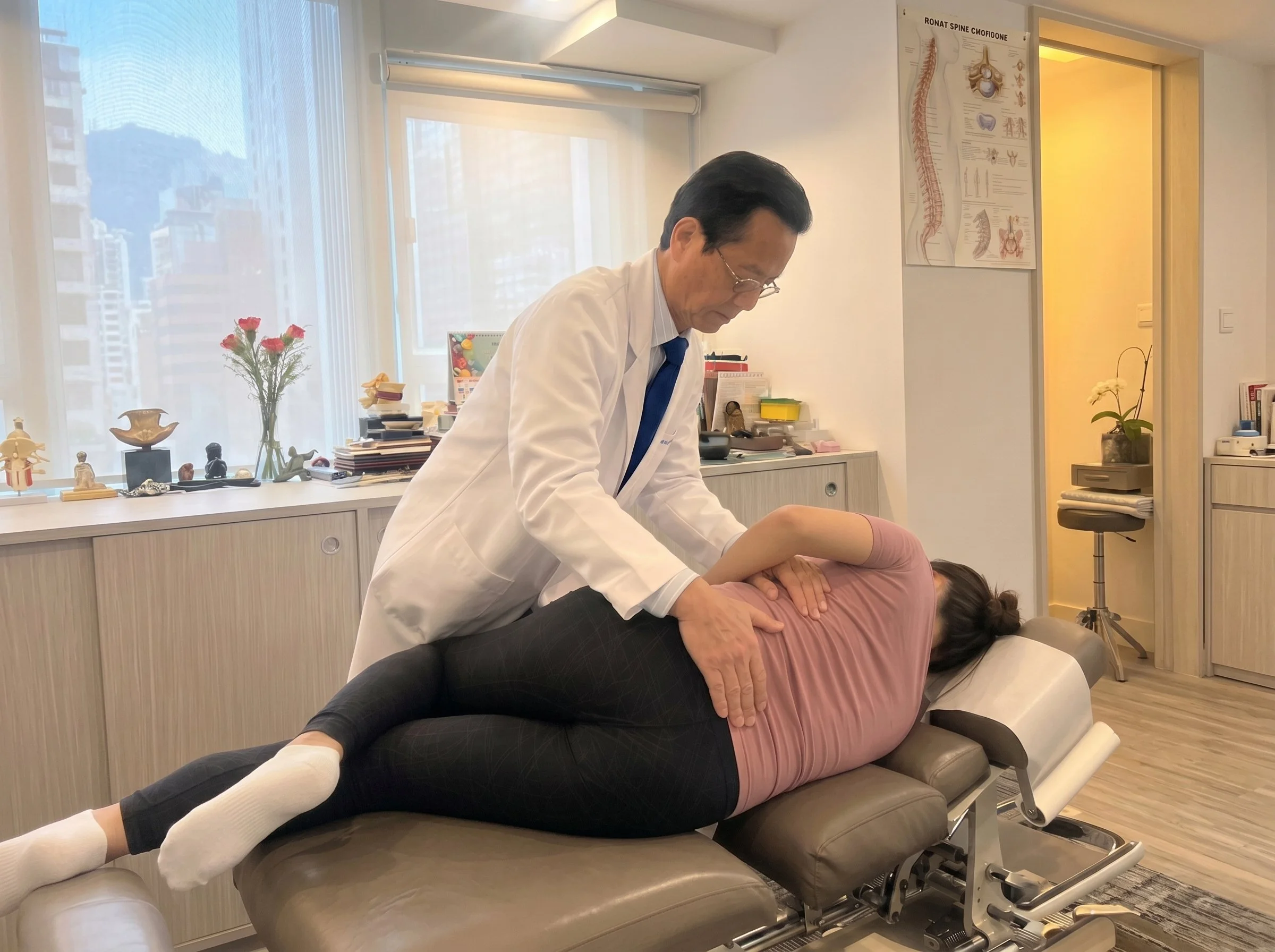
Chiropractic care is a hands-on healthcare profession focused on the relationship between the spine, joints, muscles, and the nervous system—and how these affect movement, comfort, and everyday function.
People often seek chiropractic care for problems such as back pain, neck pain, headaches related to neck tension, shoulder discomfort, or joint stiffness, as well as posture- and work-related strain.
What is Chiropractic Adjustment?
A chiropractic adjustment (also called spinal manipulation) is a manual technique used to improve joint movement and reduce irritation in surrounding tissues. It is typically quick and precise, and some patients may hear a “pop,” which is simply gas releasing from the joint—similar to cracking a knuckle.
Not every patient needs an adjustment. Depending on your condition, your chiropractor may use a combination of approaches, including:
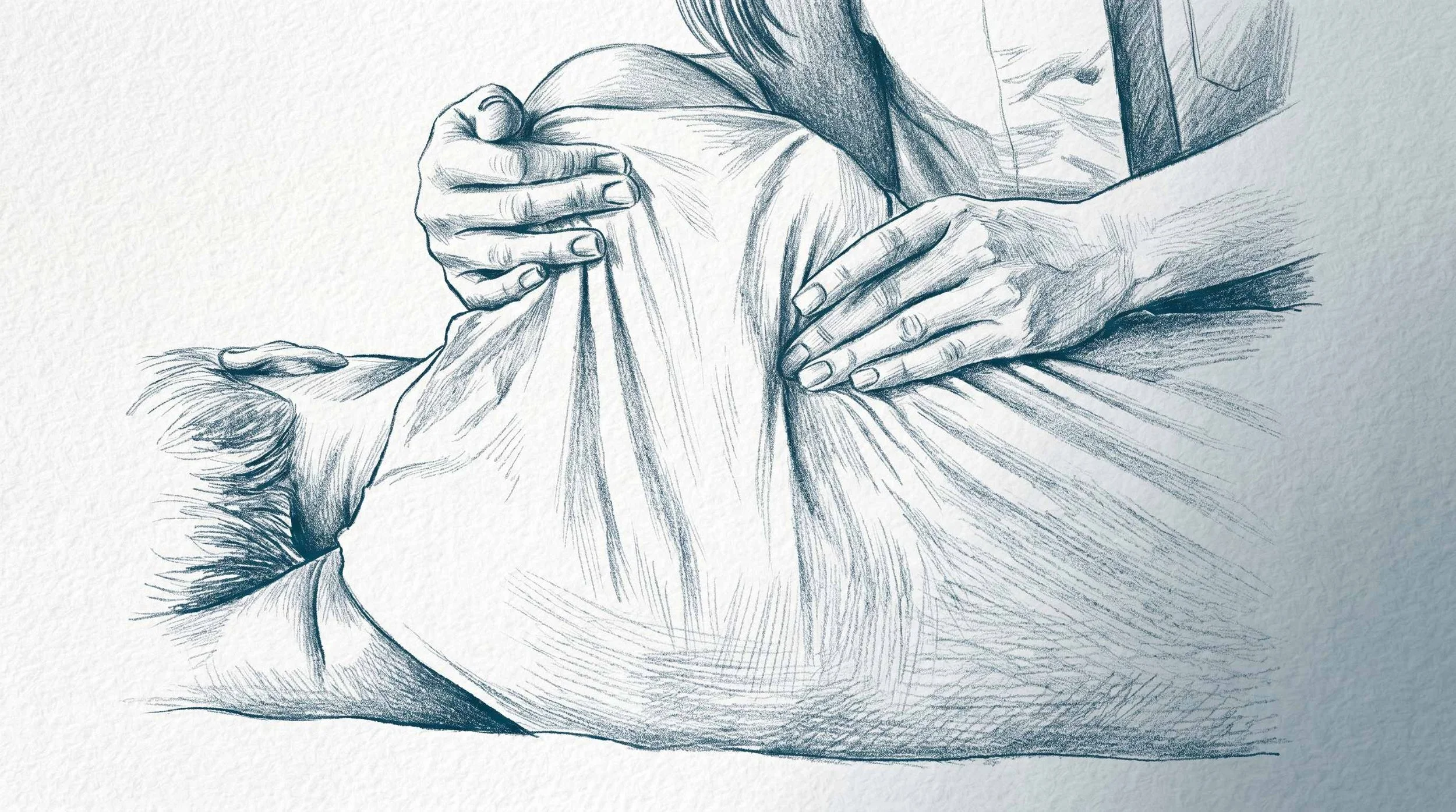
Soft tissue therapy

Activity and workplace advice

Stretching and rehabilitation exercises
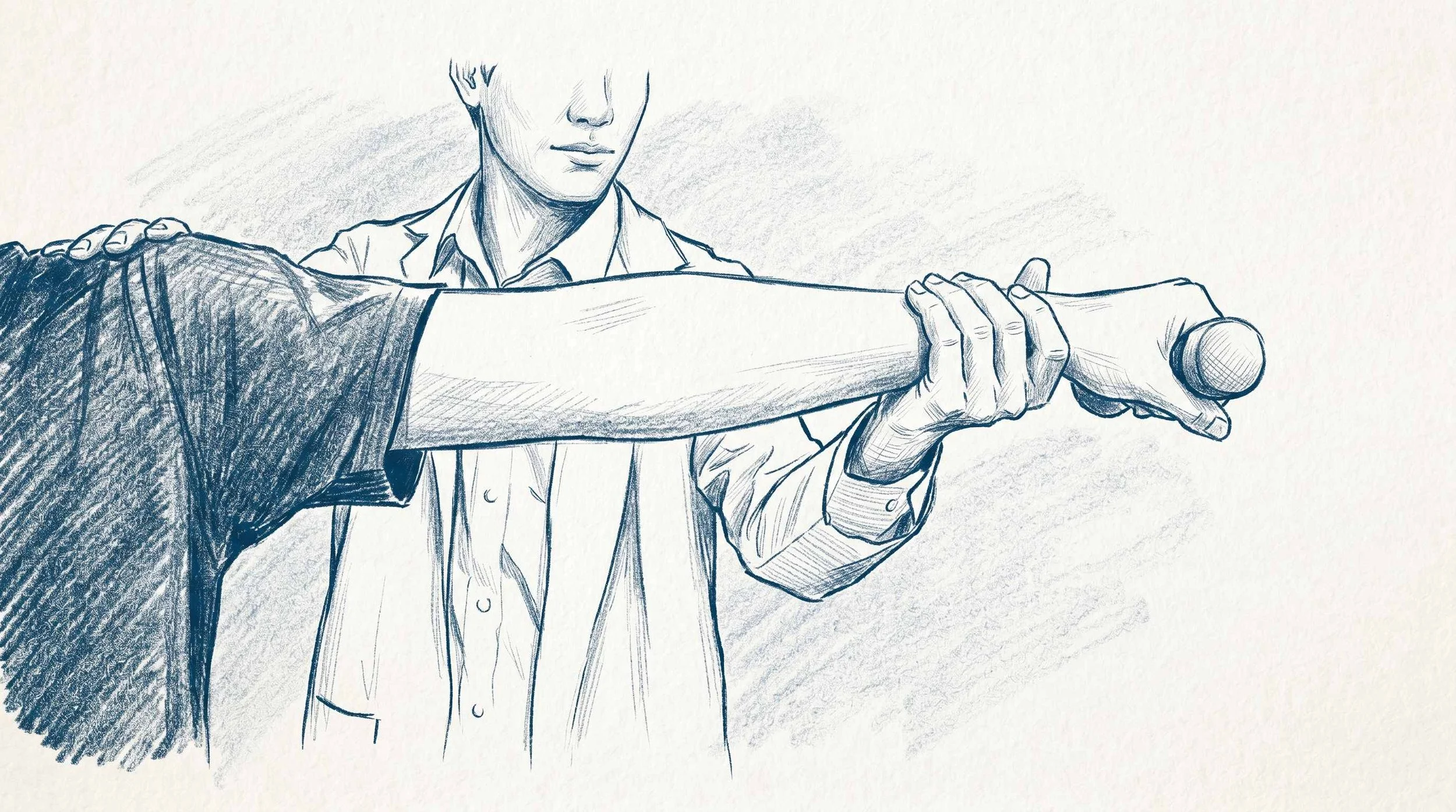
Joint mobilisation (gentler movement-based techniques)

What a Chiropractor Does
Chiropractic care is not only about “adjustments”—it’s also about understanding the problem and supporting recovery with a clear plan.
Assess your symptoms and movement patterns

Identify likely causes (joint, muscle, strain)
Provide hands-on care when appropriate

Advise on posture, ergonomics, exercises

Support your return to daily activity and mobility
What Conditions Can Chiropractic Care Help With?
If your symptoms suggest that chiropractic care is not the right starting point—or if imaging or medical co-management is needed—we will explain why and recommend appropriate next steps.
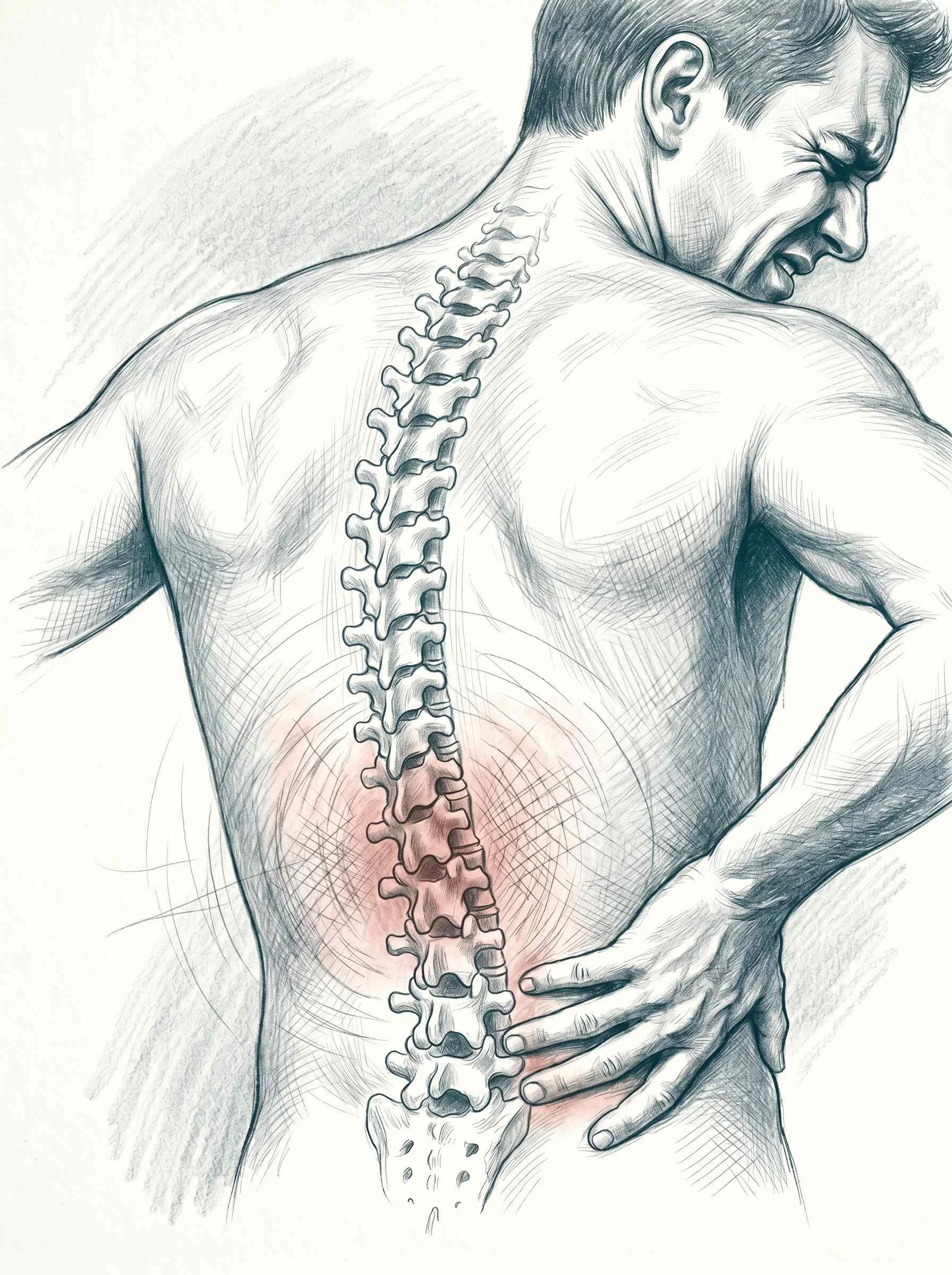
Back Pain
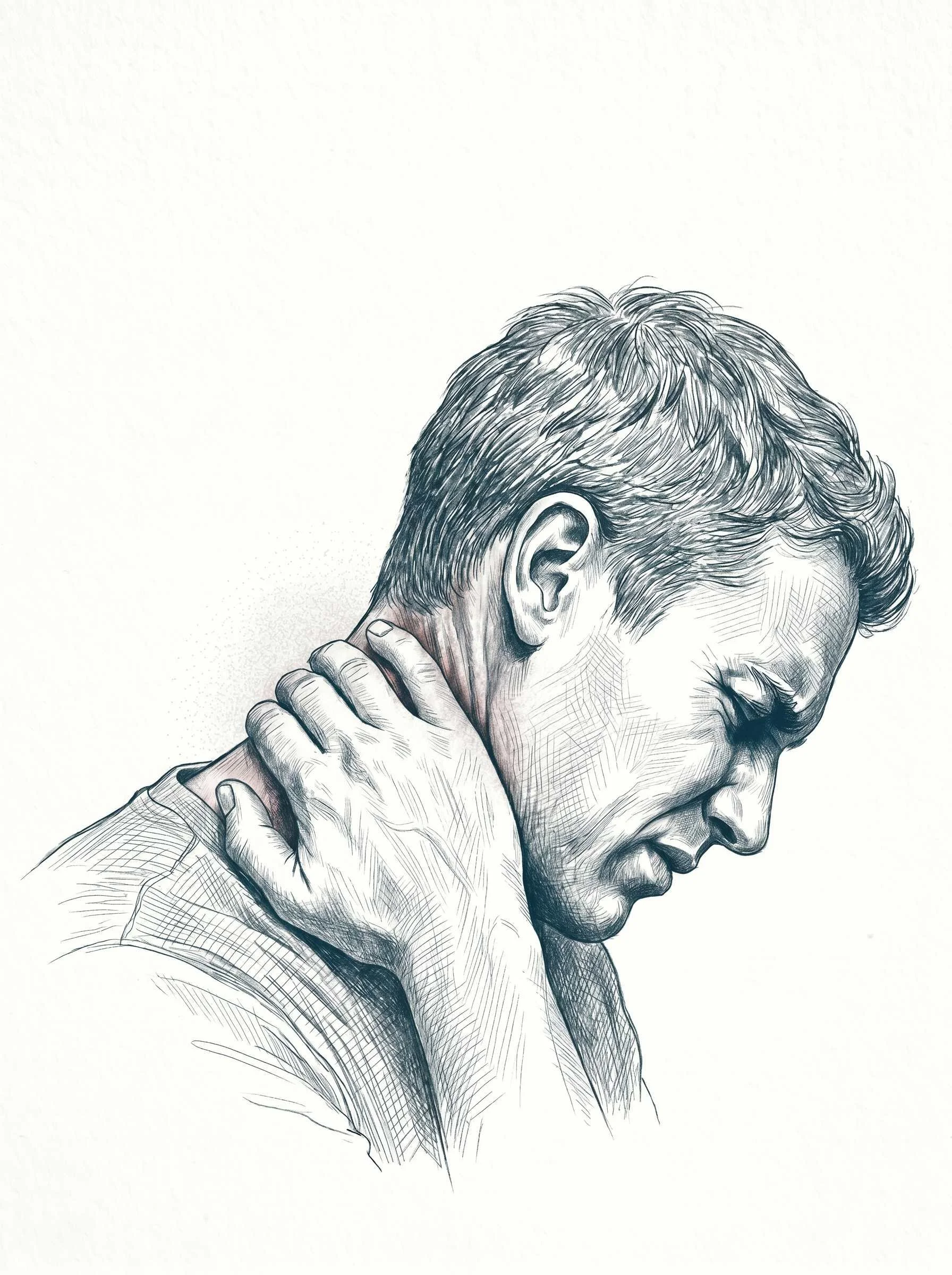
Neck Pain
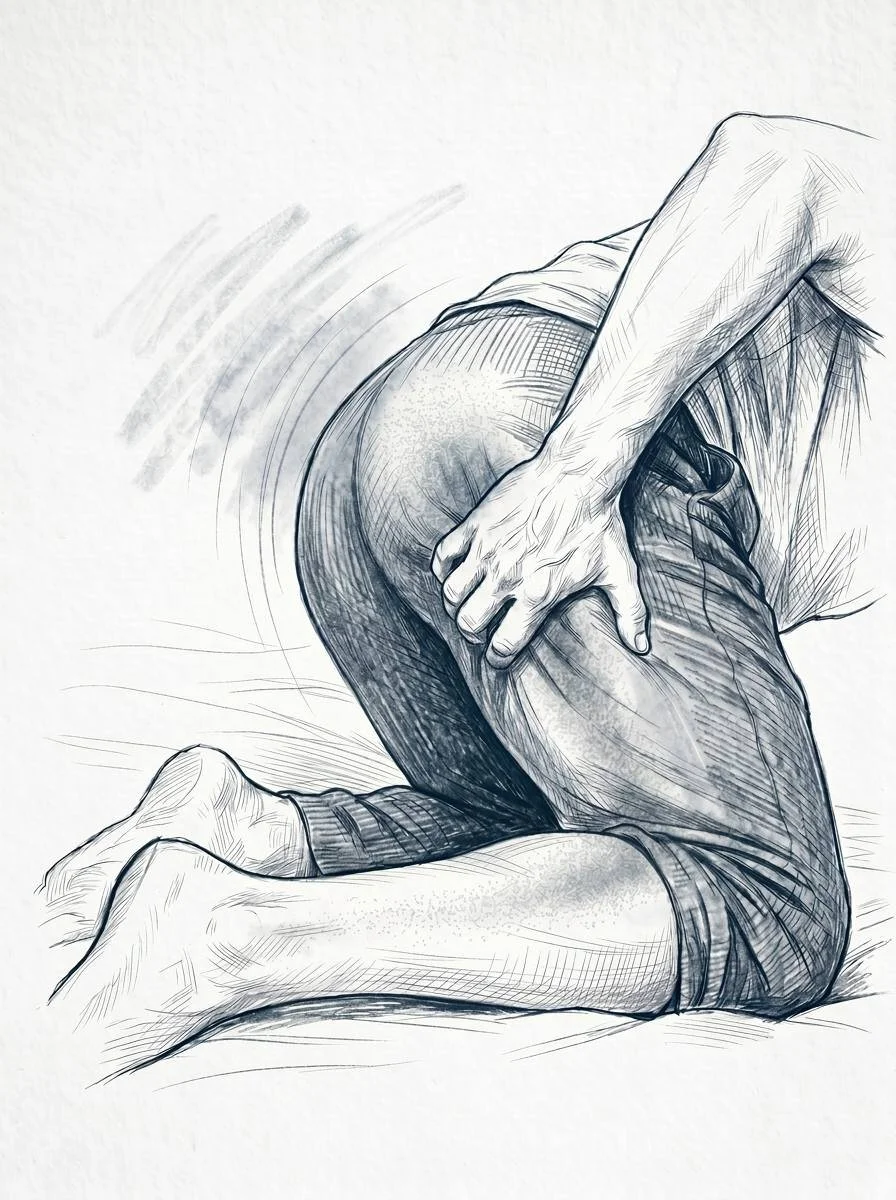
Sciatica / Leg Pain
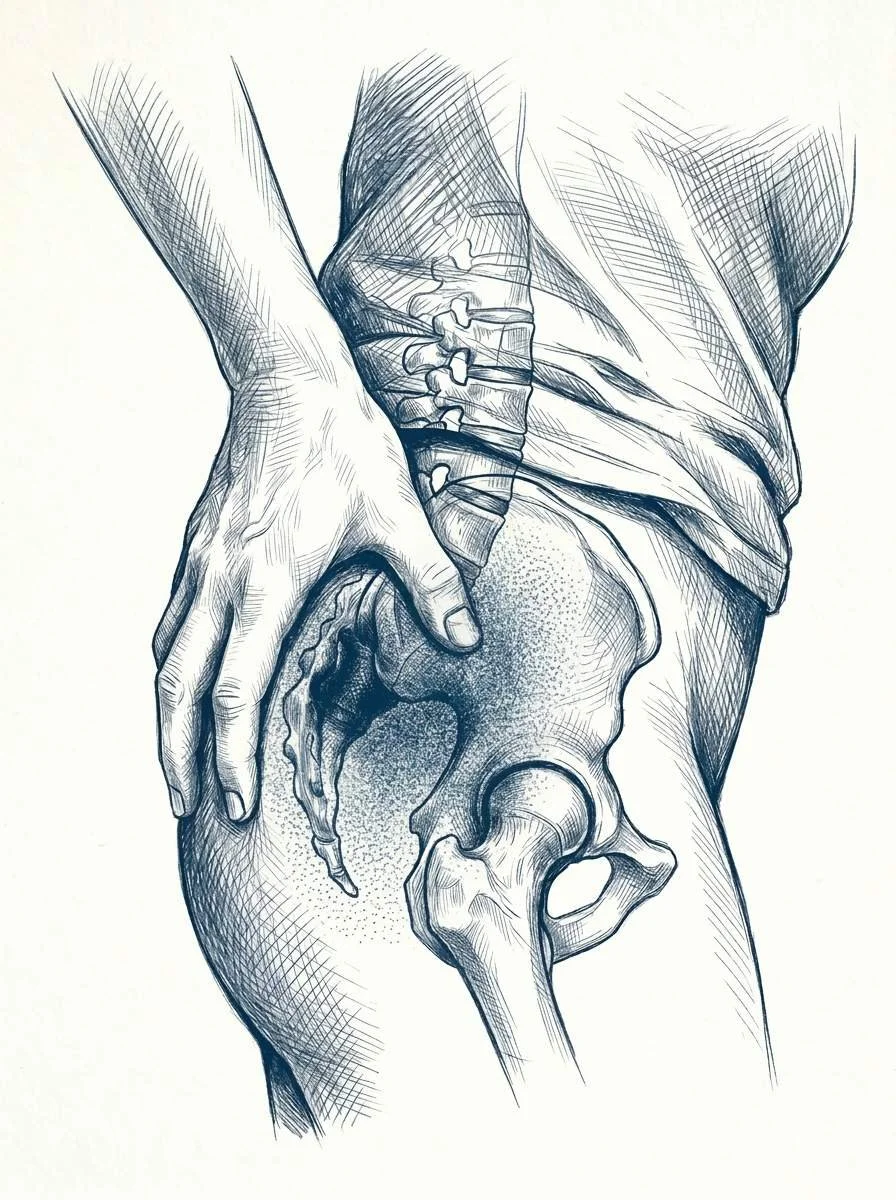
Hip Pain
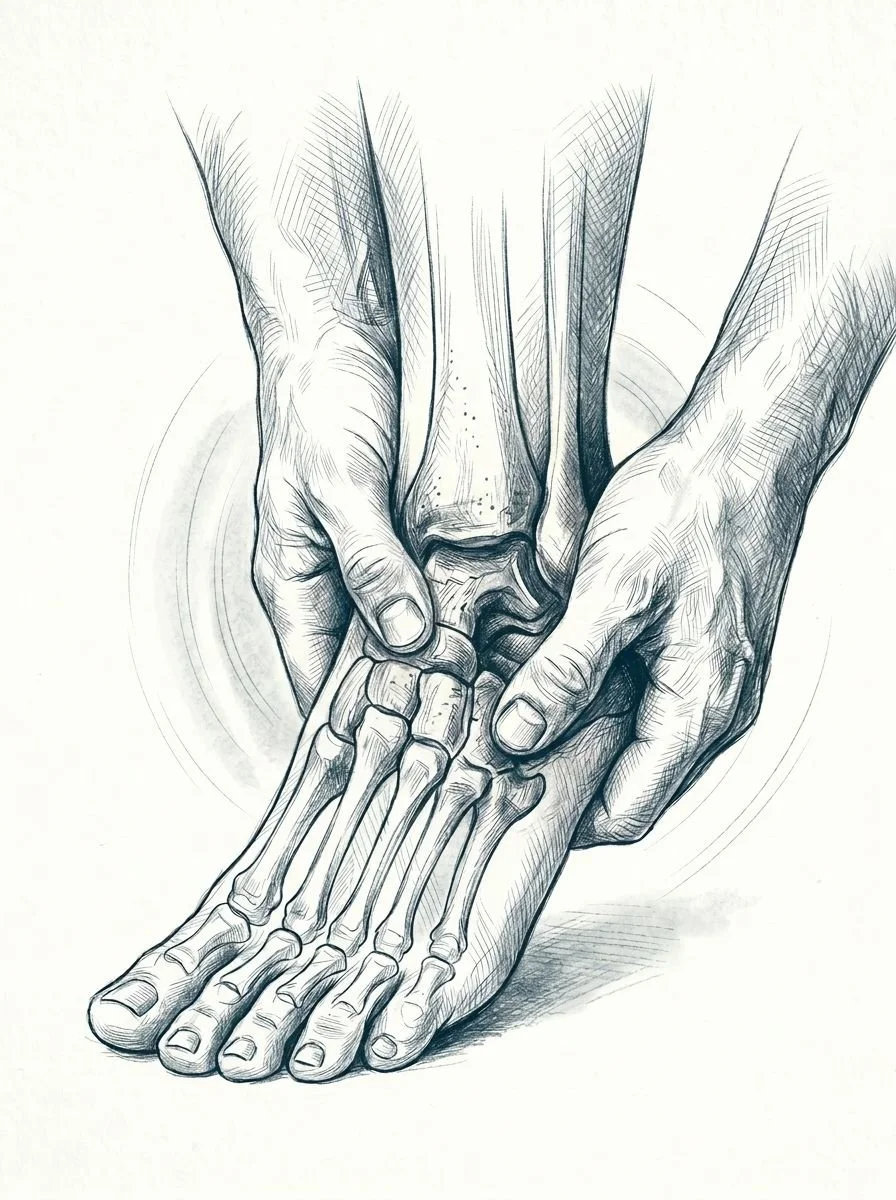
Foot & Ankle Pain
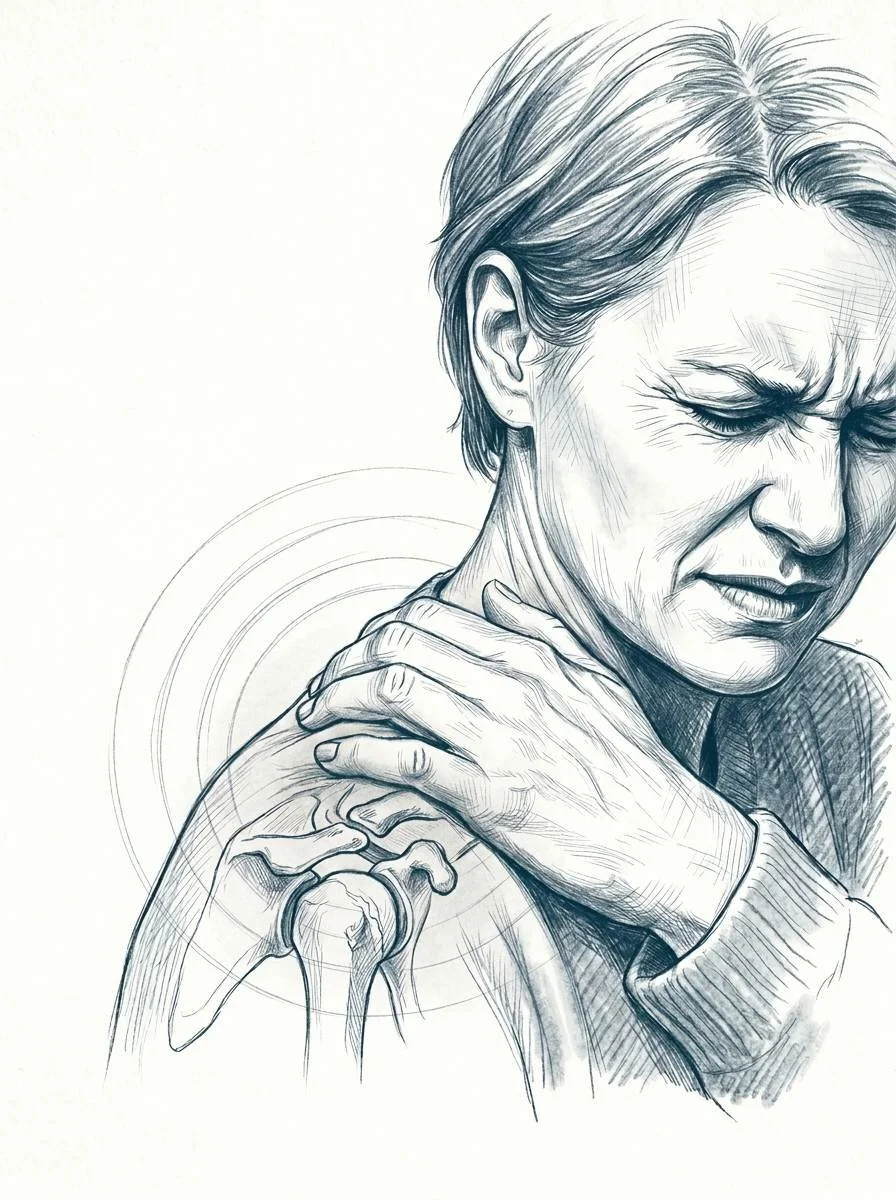
Shoulder Pain

Headaches
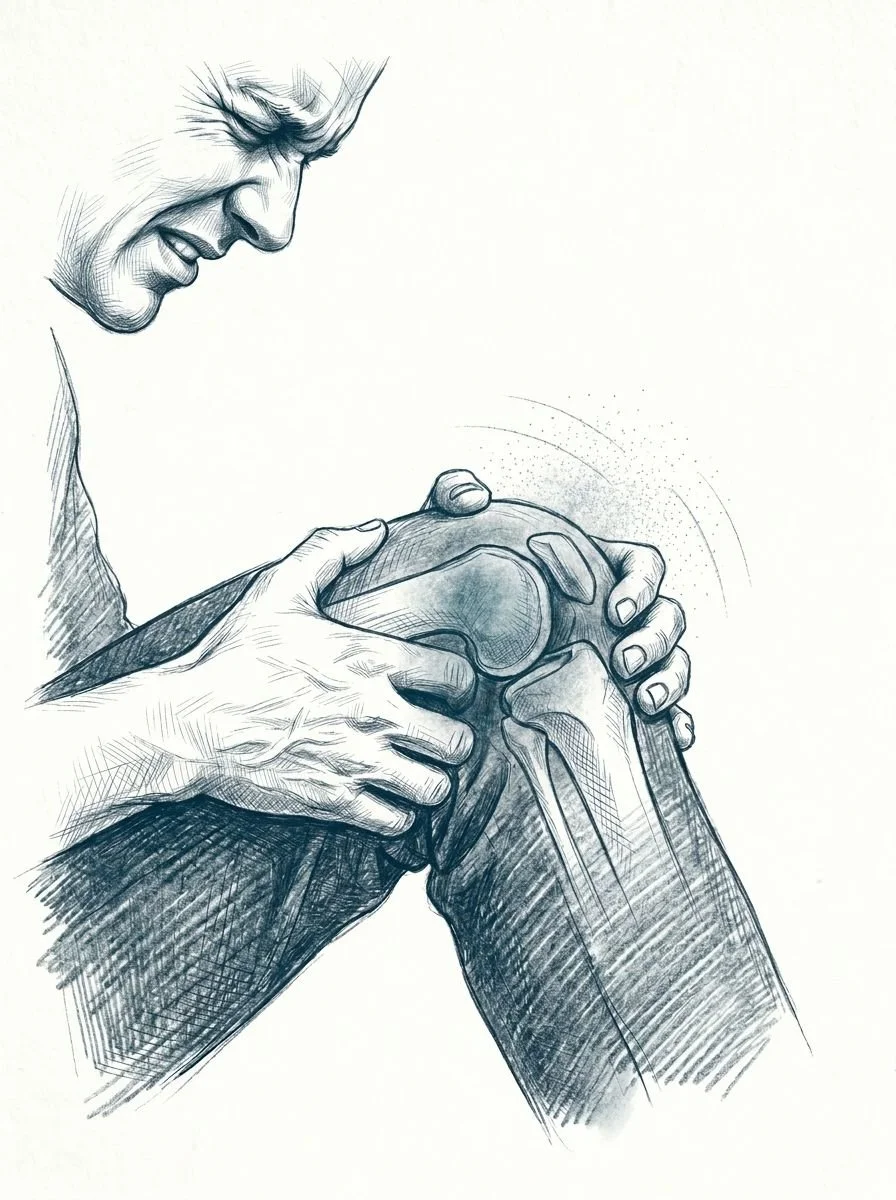
Knee Pain
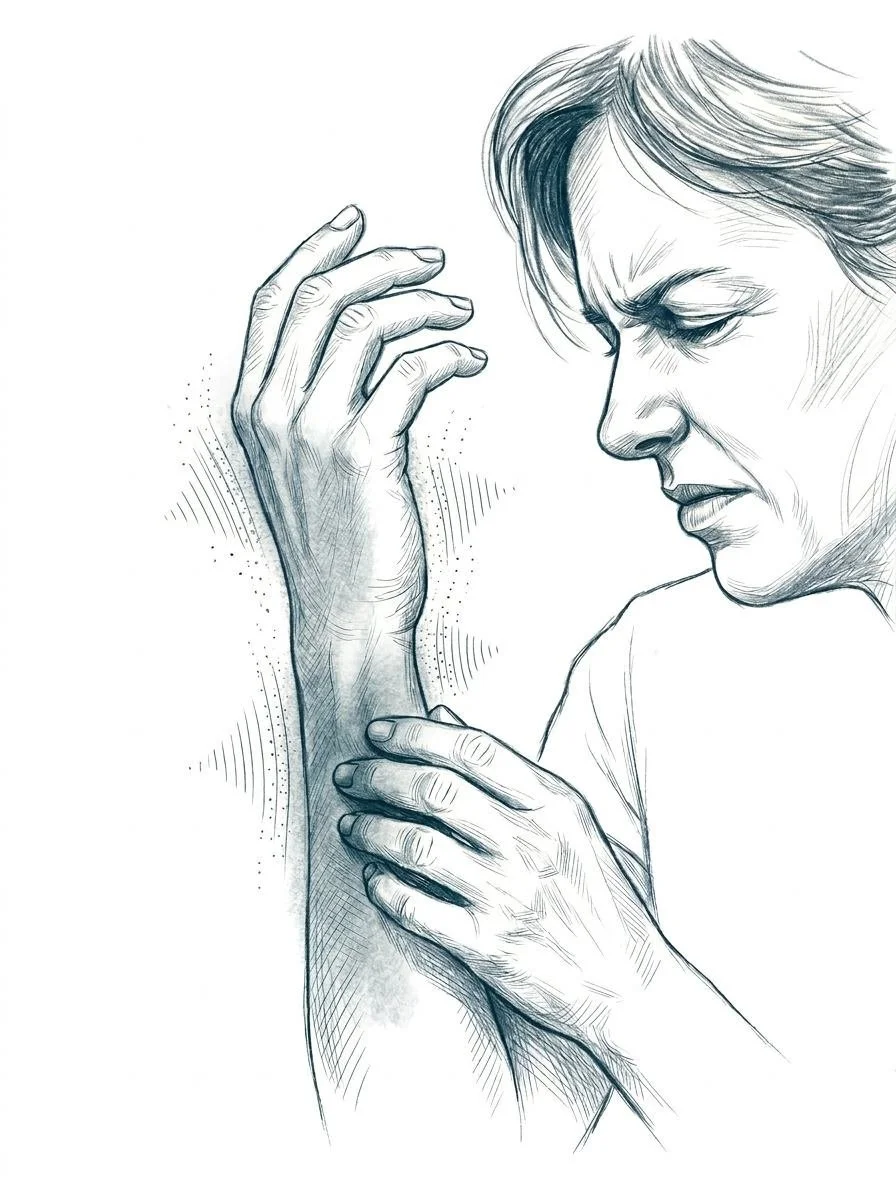
Numbness & Tingling
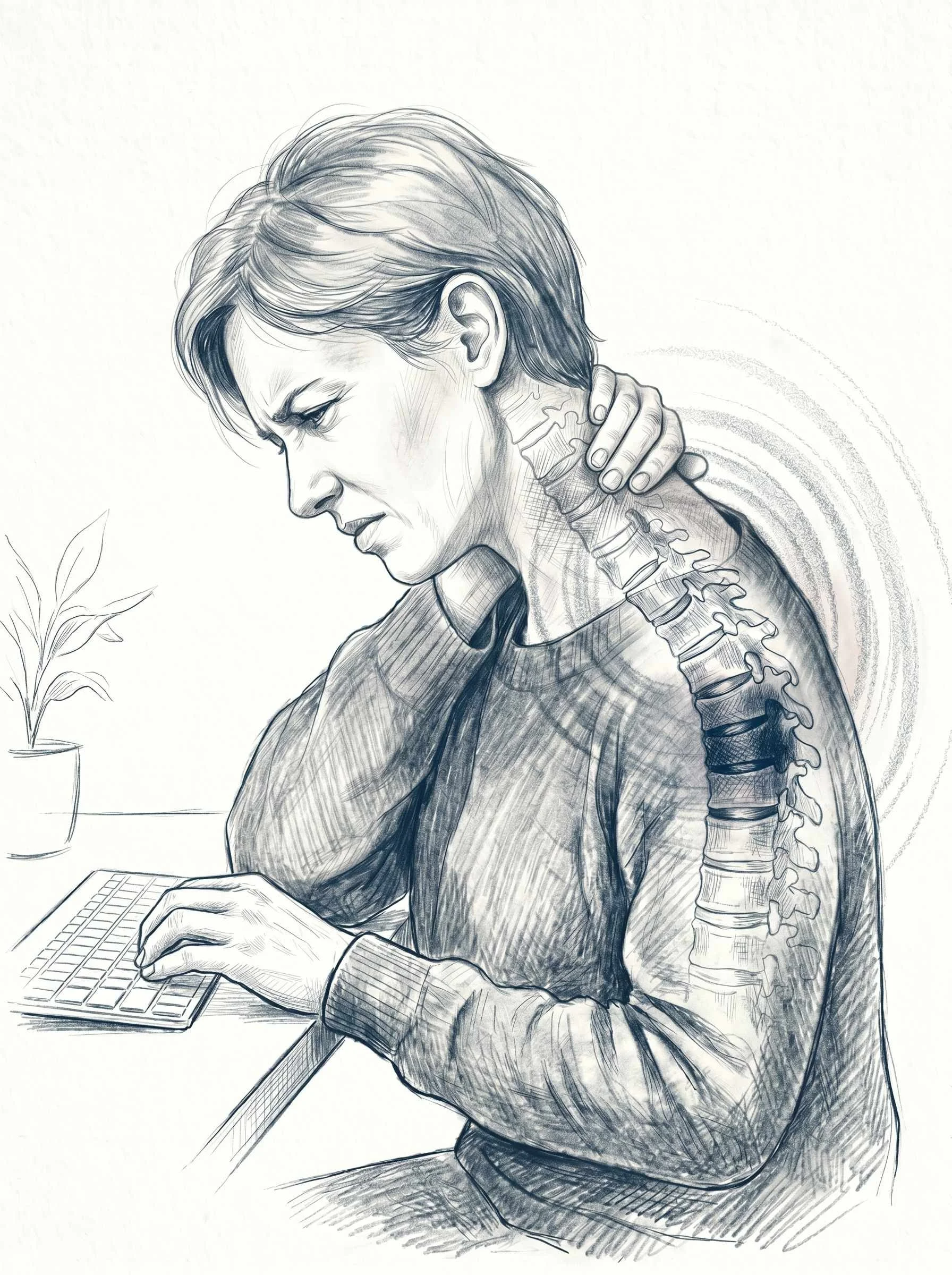
Posture & Desk-Related Discomfort
Is Chiropractic Care Safe?
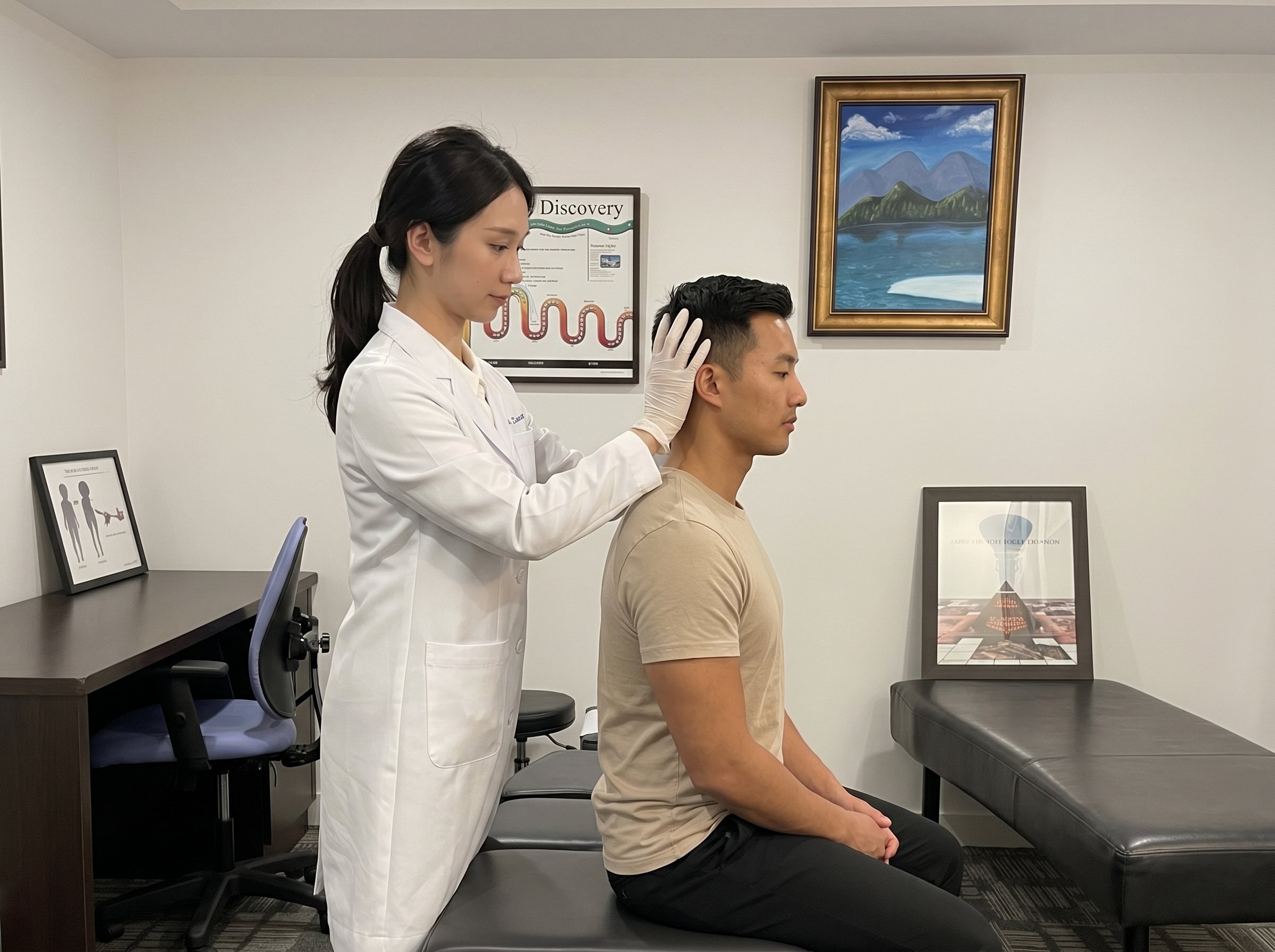

Chiropractic care is widely used and, for most people, is well-tolerated when provided by a properly trained and registered chiropractor. As with any healthcare approach, there can be risks and it may not be appropriate for everyone, this is why assessment and clinical reasoning come first.
Common short-term responses can include temporary soreness or stiffness after treatment. Your chiropractor will discuss benefits and possible risks based on your individual case.
When You Should Seek Urgent Medical Attention
Seek urgent care (e.g., A&E / emergency services) if you have severe symptoms such as:
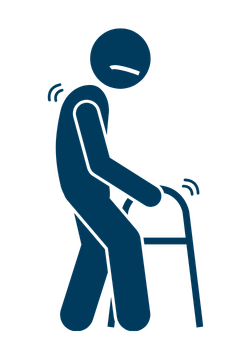
Sudden weakness, numbness, difficulty walking
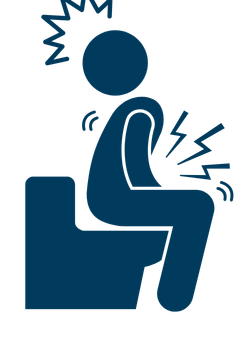
Loss of bladder or bowel control

Severe headache unlike your usual, especially with neurological symptoms

Significant trauma (falls, accidents) with severe pain

Fever with spinal pain, or unexplained weight loss alongside persistent pain
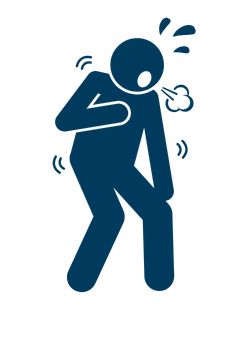
Chest pain, shortness of breath, fainting, or signs of stroke

Ready to Book?
If you’d like to see whether chiropractic care is right for you, we’re happy to help.