
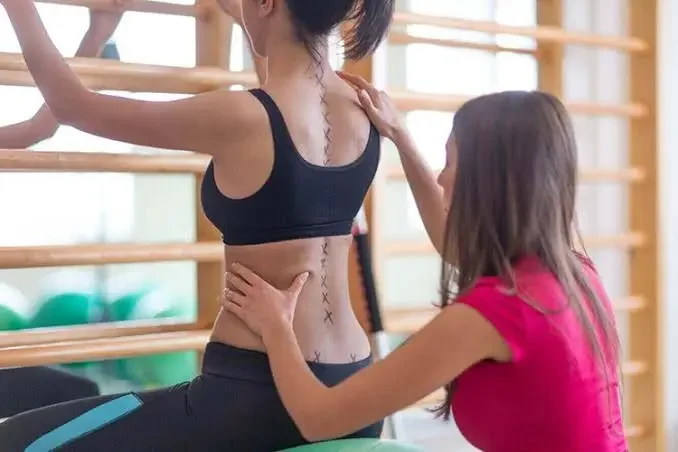
Schroth Scoliosis Training
Personalized, exercise-based care to improve posture, strength, and breathing.
What is the Schroth Method?
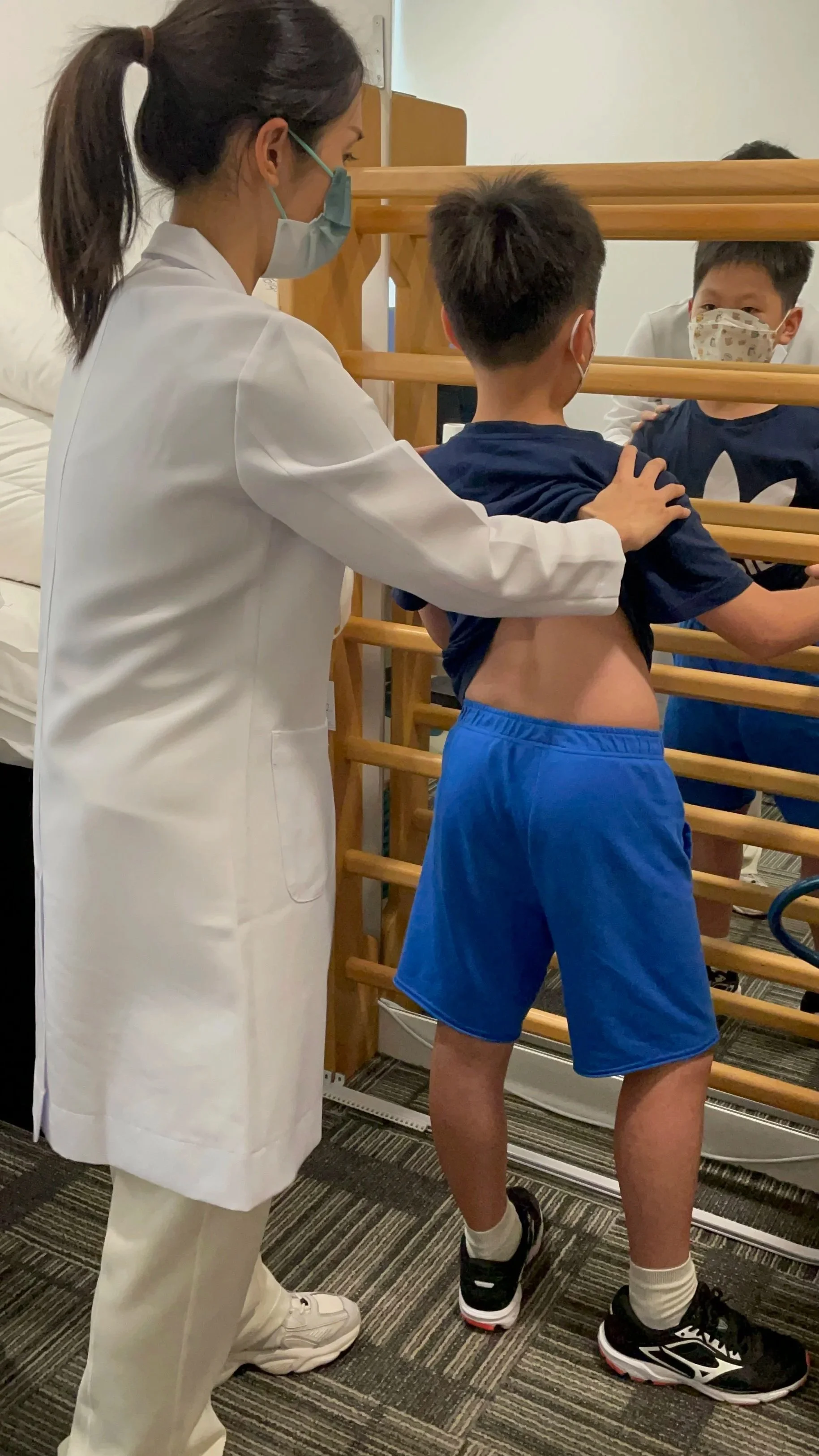
The Schroth Method is a specialized, nonsurgical physical therapy for scoliosis designed to de-rotate, elongate, and stabilize the spine in a three-dimensional plane.
Rather than “one-size-fits-all” core work, Schroth training is tailored to your curve pattern. The goal is to build strategies you can use during exercise and daily life to support better posture, comfort, and function.
Goals of Schroth Training
-
![]()
Control / Reduce Cobb's Angle
-
![]()
Improve posture control
-
![]()
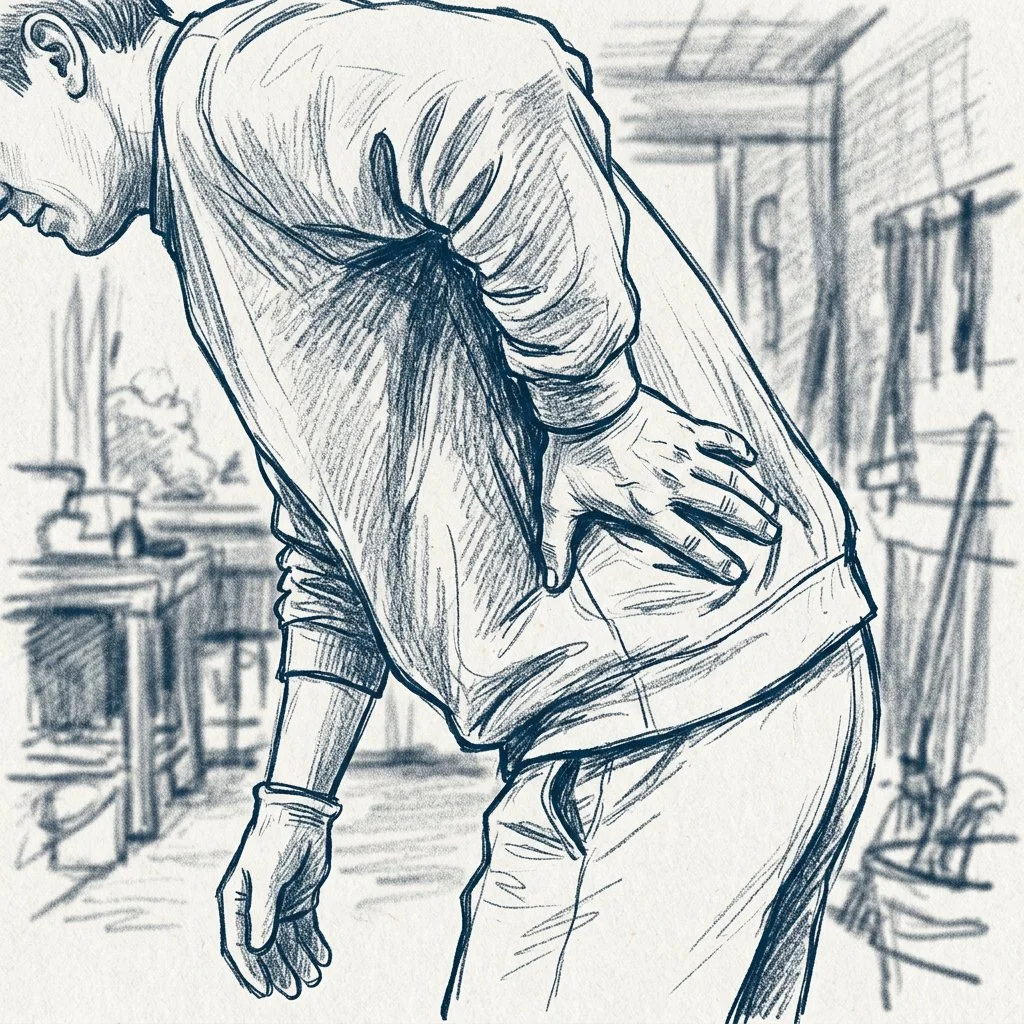
Reduce pain and fatigue
-
![Improve cardiopulmonary function]()
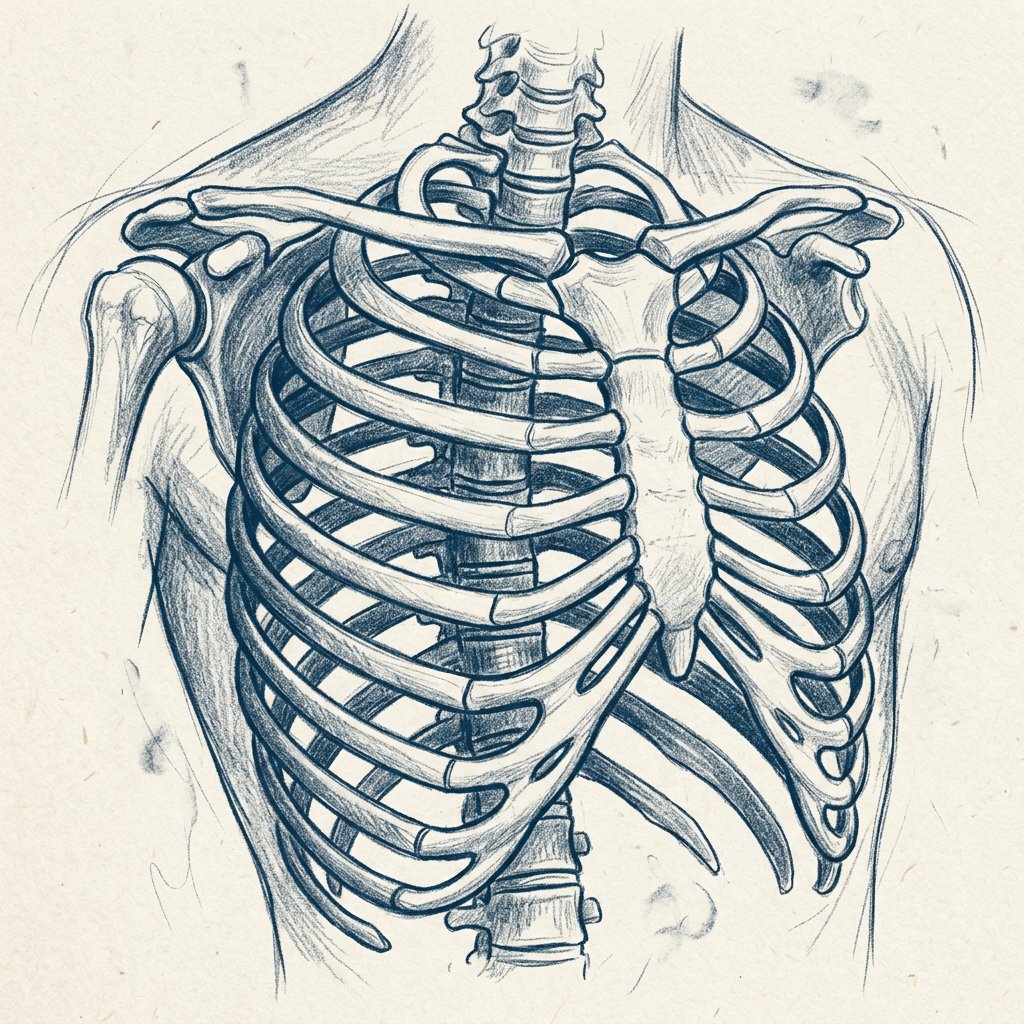
Improve breathing mechanics
-
![]()
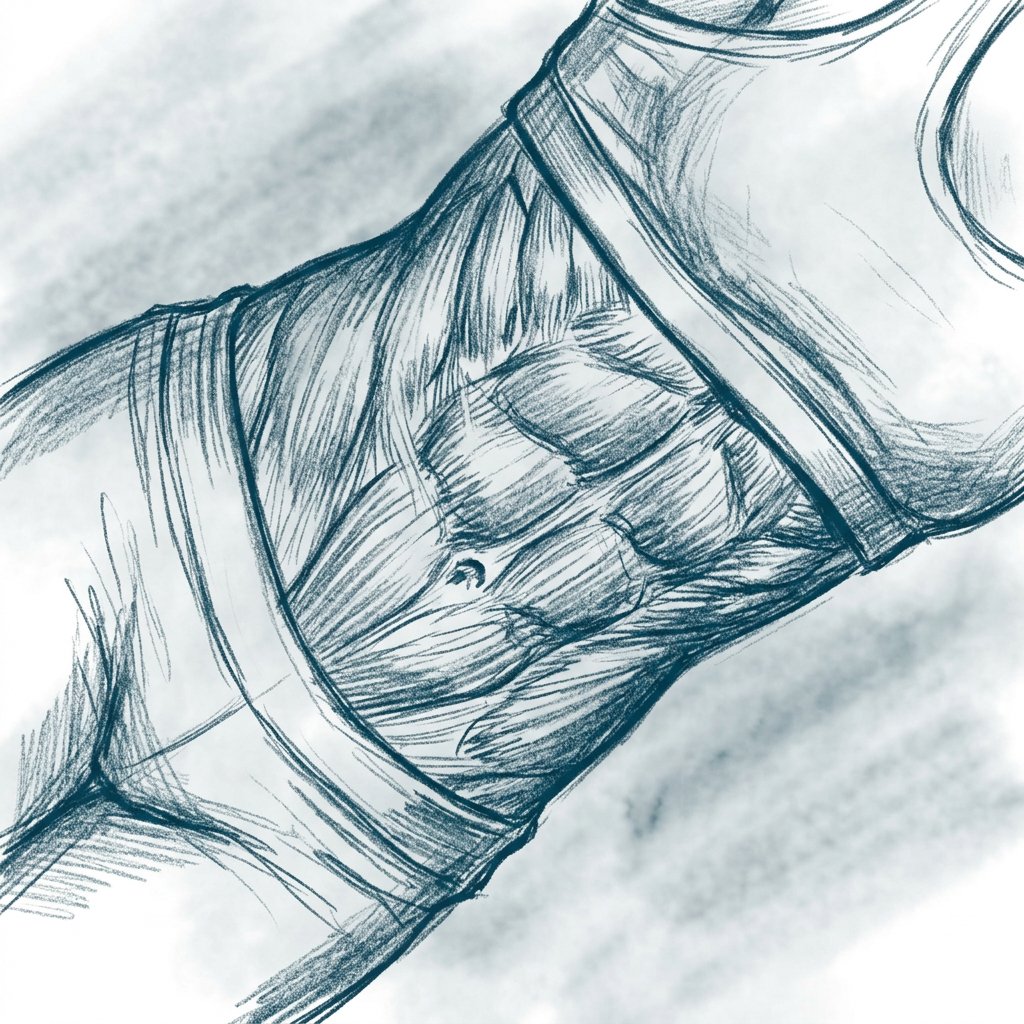
Build strength and endurance
-
![]()
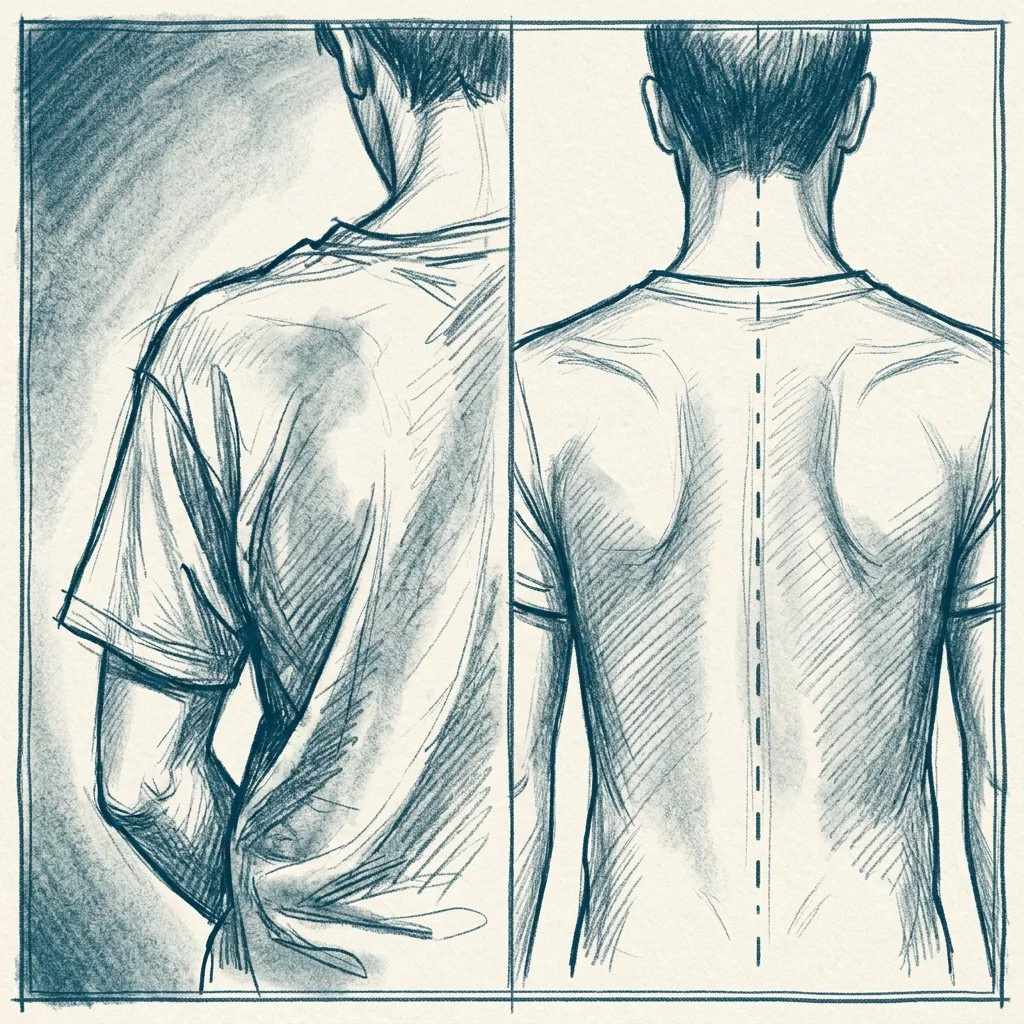
Improve postural appearance
Who This Is For?
This program is for people with scoliosis who want an active, structured plan. Training is customized based on your curve type, symptoms, and goals.
Adolescents with Idiopathic Scoliosis
Adults with Scoliosis
Pain, stiffness, or imbalance
People wearing a corrective brace
Patients with Mild to Moderate Curves

Those seeking non-surgical management

Schroth Treatment Principles
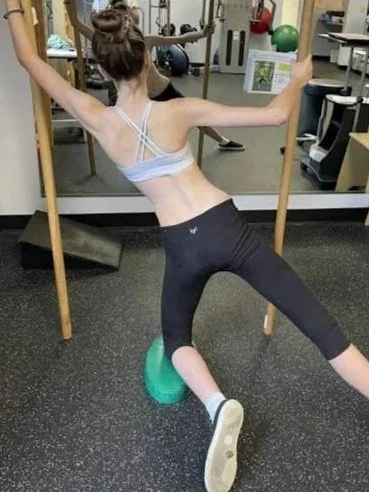
1) Scoliosis Cobb’s Angle Correction
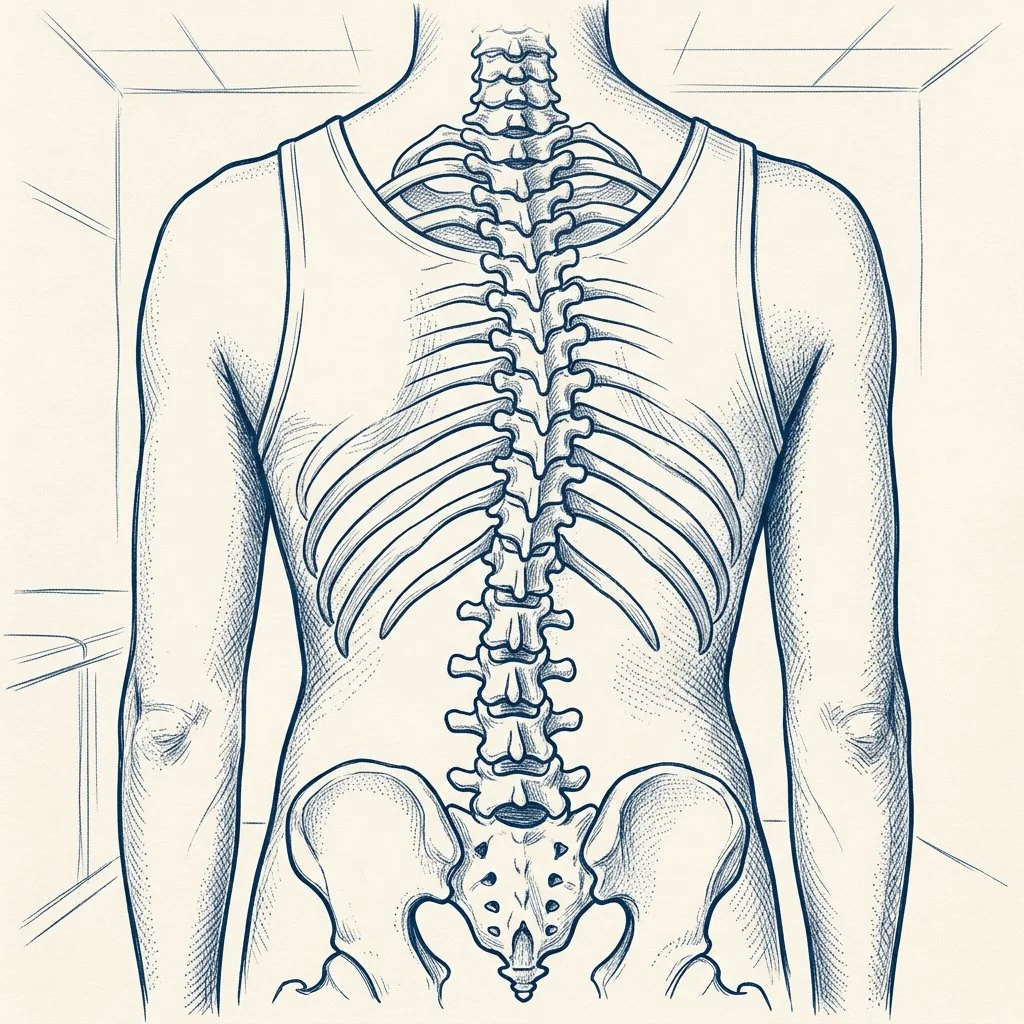
The Schroth method targets structural scoliosis by utilising three-dimensional postural correction, muscle strengthening, and rotational breathing to halt curve progression and reduce the Cobb angle. While it does not "cure" the curve, consistent practice has been clinically shown to significantly reduce Cobb angles in both adolescents and adults.
Deflexion & De-rotation: Patients learn to elongate the spine and actively de-rotate the vertebrae in the opposite direction of the scoliosis twist. Specific isometric exercises are used to stretch tight muscles on the concave side and strengthen elongated muscles on the convex side.
It can yield significant functional and structural improvements:
Degree Reduction: Studies show average Cobb angle reductions ranging from 4° to 8°. Some intensive, supervised programs report even larger corrections, with improvements scaling based on the initial severity of the curve.
Pain Reduction: For adult scoliosis, the method often leads to substantial decreases in back pain and improved quality of life.
Surgical Prevention: For curves progressing toward the surgical threshold (typically 40° to 50°), conservative approaches like the Schroth method may help stabilize the spine and reduce the need for surgical intervention.
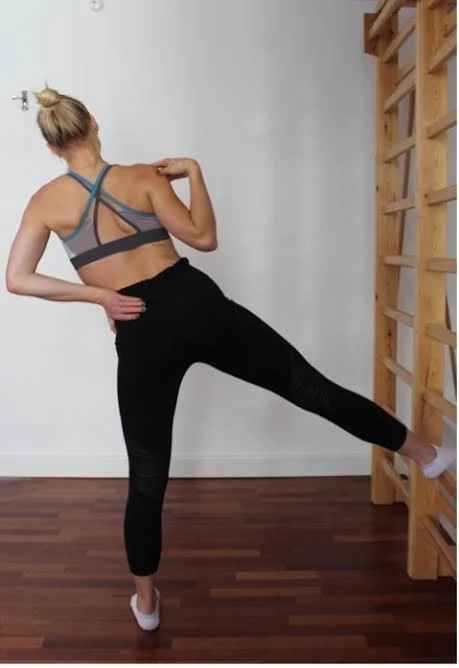
2) Strengthening & Stabilization
We also focus on building strength and endurance. Exercises target the core and postural muscles that support the spine and trunk are taught, so you can improve control during daily activities—like walking, working at a desk, lifting, and sport—without constantly “thinking about posture.”
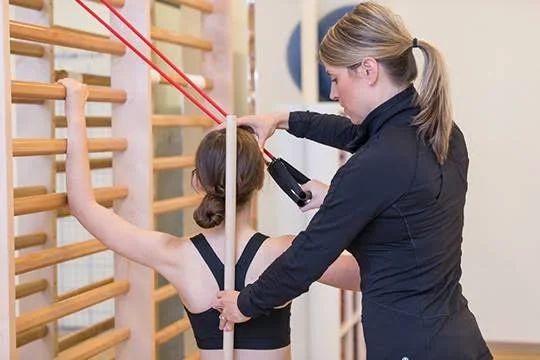
3) Rotational Angular Breathing
Schroth uses rotational angular breathing technique (RAB), this is a hallmark Schroth principle. It is designed to direct air into the concave areas of the ribcage, helping to push the spine into a straighter, more symmetrical alignment.
Patients are trained to recognize their own specific curve pattern. The ultimate goal is to integrate postural correction into Activities of Daily Living (ADLs) so that improved alignment is maintained instinctively throughout the day.
Note: Because this is highly customised therapy, these principles must be practiced under the direct guidance of a certified Schroth therapist.
Ready to Book?
If you’d like to see whether Schroth Scoliosis Training is right for you, we’re happy to help.