

Safety & Consent
Your safety comes first. We take a careful, professional approach to assessment and care, and we want you to feel informed and in control at every step.
Our Safety-First Approach

Safety starts with choosing the right pathway for you, not forcing a one-size-fits-all approach. We take time to understand your symptoms, screen for factors that may change what’s appropriate, and only recommend care that matches your presentation and goals.
In practical terms, this usually includes:
Completing a relevant history and physical examination before treatment
Screening for warning signs that may require modification, referral, or further investigation
Selecting techniques based on your comfort, preferences, and clinical findings
If chiropractic care is not the right fit for your situation, we will tell you clearly and help guide the next best step.
What Consent Means Here

Consent is not a one-time form—it is an ongoing conversation. You should understand what we’re proposing, why we’re proposing it, and what other options you have.
Before any hands-on care, we will explain:
What we are recommending and why
What the technique involves and what you may feel
Expected benefits and realistic limits
Common risks and rare but more serious risks (when relevant)
Reasonable alternatives, including modifying care or referral
You can ask questions at any time. You can also say yes, no, or not today—without pressure.
During Treatment: Ongoing Check-Ins
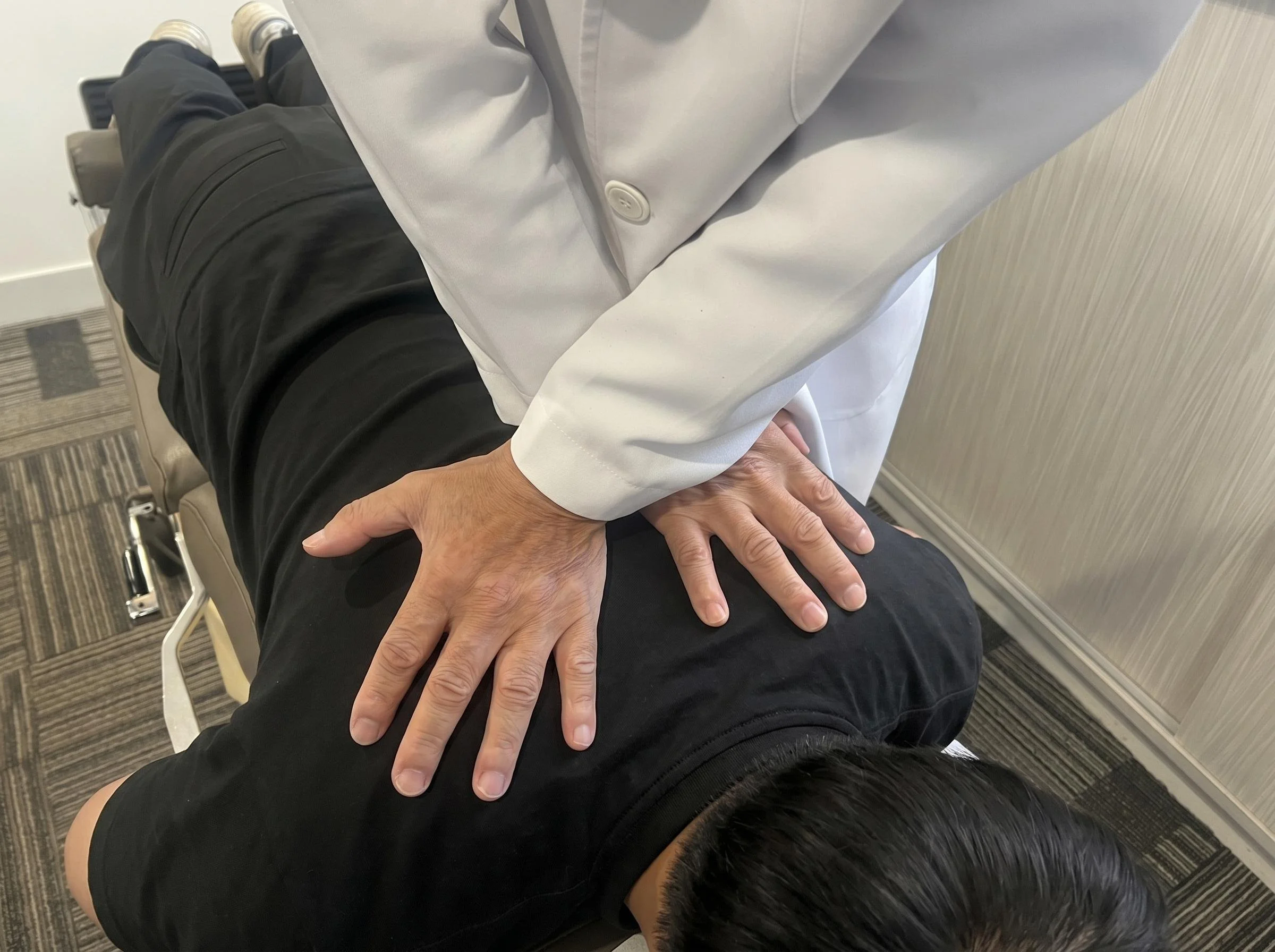
We don’t treat “around” you—we treat with you. That means we check in as we go, especially when introducing a new technique or working in a sensitive area.
You can always:
Ask us to pause or stop
Request a gentler approach or different technique
Choose to treat only certain areas
Let us know if something doesn’t feel right
Technique Options (Not One-Size-Fits-All)
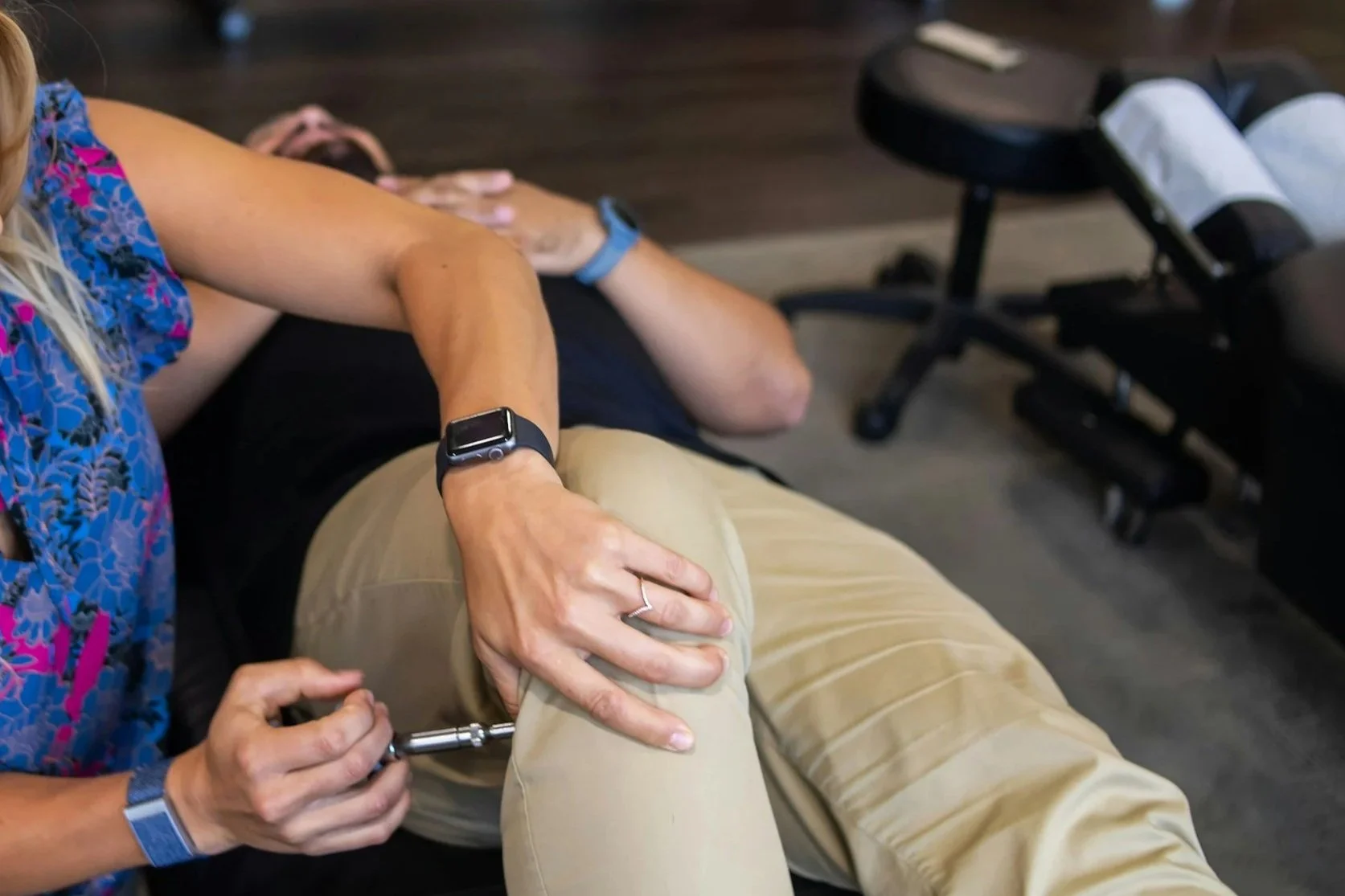
Depending on your assessment findings, care may include a combination of approaches. For example, we may use hands-on techniques to improve comfort and mobility, alongside exercise and movement guidance to help build strength and resilience.
Common options include:
Joint mobilisation or manipulation (when indicated)
Soft tissue techniques
Exercise, mobility work, and movement retraining
Load management advice and self-care strategies
We’ll explain why a particular option is recommended and how it fits your goals.
After Treatment: What You Might Feel

Many people feel looser or more comfortable after care, but some short-term reactions can also happen—especially early on while your body is adapting. These responses are usually temporary and manageable, and we’ll tell you what’s most likely in your case.
It’s common to experience:
Mild soreness or stiffness
A temporary increase in symptoms that settles within 24–48 hours
Fatigue, especially after a first visit or a new approach
We’ll also give you simple guidance on what to do if you feel sore afterwards.
When to Contact Us (Or Seek Urgent Care)

If something feels unusual for you, is worsening significantly, or isn’t settling as expected, contact us. We’d rather you check in early than push through uncertainty.
If you experience severe or rapidly worsening symptoms—especially neurological symptoms—seek urgent medical care. If this situation applies, we’ll help you understand the next steps as clearly as possible.
Privacy, Dignity, and Respect

Safety is not only physical. We aim to provide an environment that is respectful, professional, and supportive, including clear communication, appropriate privacy and draping, and asking permission before contact or repositioning.
If you would feel more comfortable bringing a support person, please let us know and we’ll accommodate where practical.

Questions Are Welcome
Informed decisions require clarity. If you’re unsure about any part of the assessment or treatment, ask. We’ll explain it in plain language and make sure you feel comfortable with the plan.