

When to Seek Care
Knowing when to seek care and when a referral is the safest next step, helps you get the right support at the right time. We take an assessment-led approach and will explain clearly whether chiropractic care is appropriate, or whether another healthcare provider is better suited.
When to Seek Chiropractic Care
Consider booking an appointment if your symptoms seem related to movement, posture, muscles, or joints, and they’re affecting comfort or function. People commonly seek care for back or neck pain and stiffness, postural strain from desk work, and joint discomfort that changes with activity. Typical reasons to seek care include:

Back or neck pain, stiffness, or reduced mobility

Postural or repetitive strain from daily routines
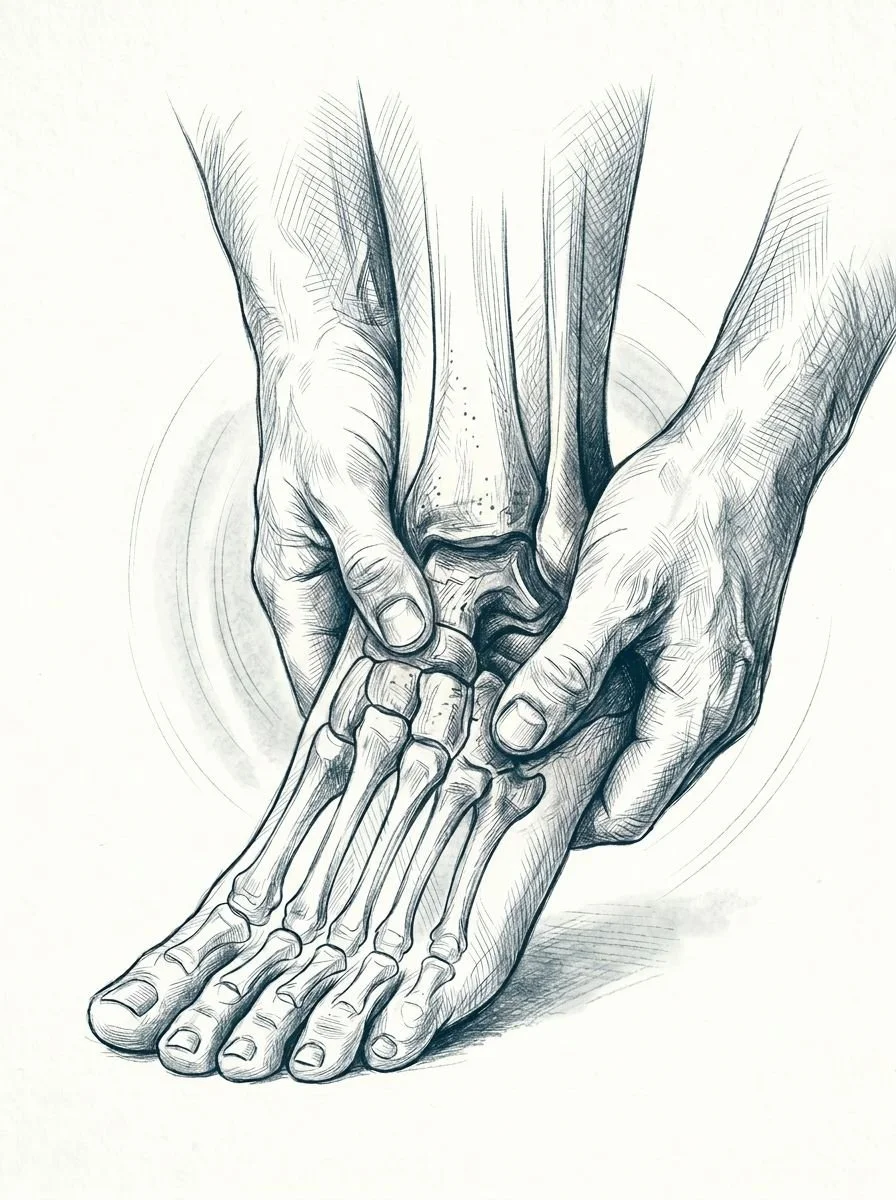
Joint pain that changes with movement
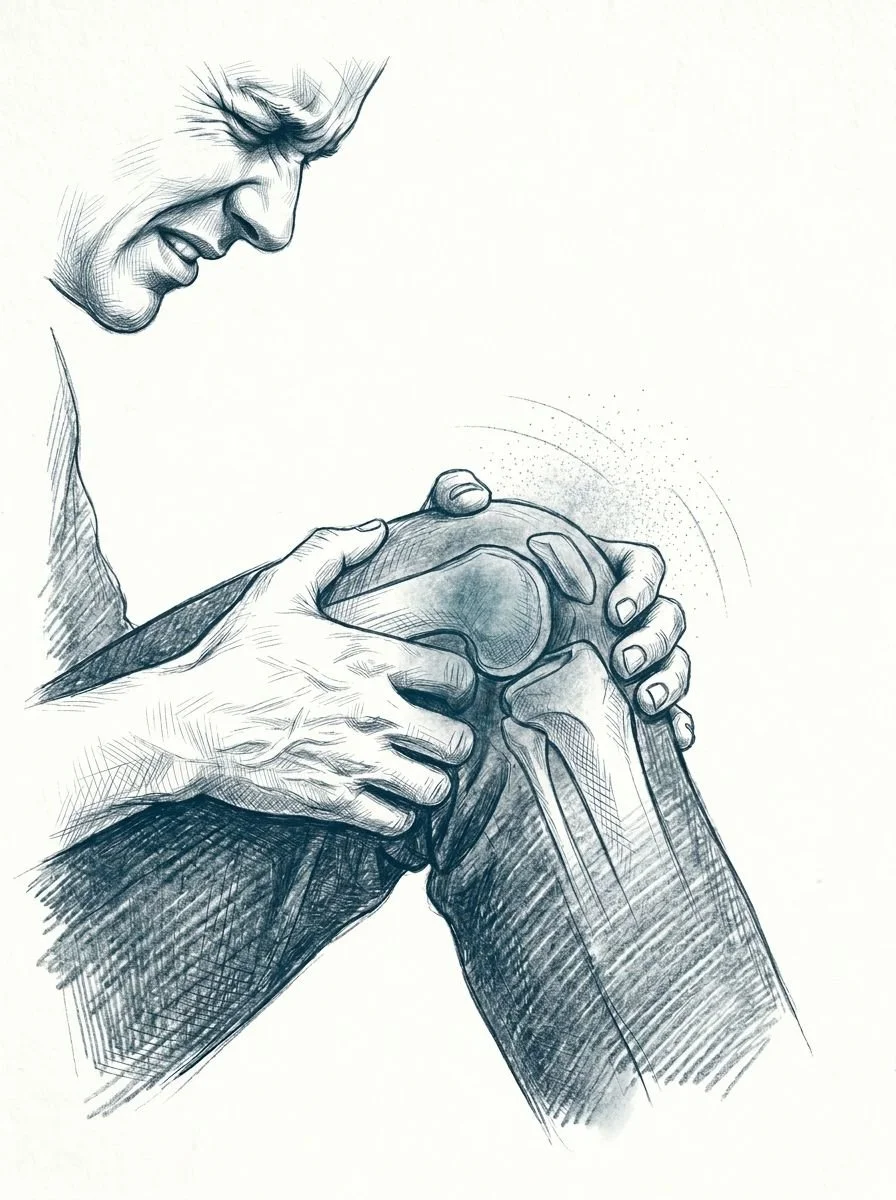
Sports or gym-related strains and overuse issues
When We Refer or Co-Manage
Your safety comes first. We may recommend referral, co-management, or further investigation when symptoms don’t match a typical mechanical pattern, aren’t improving as expected, or when examination findings suggest another type of care is required. You may be referred or co-managed if:
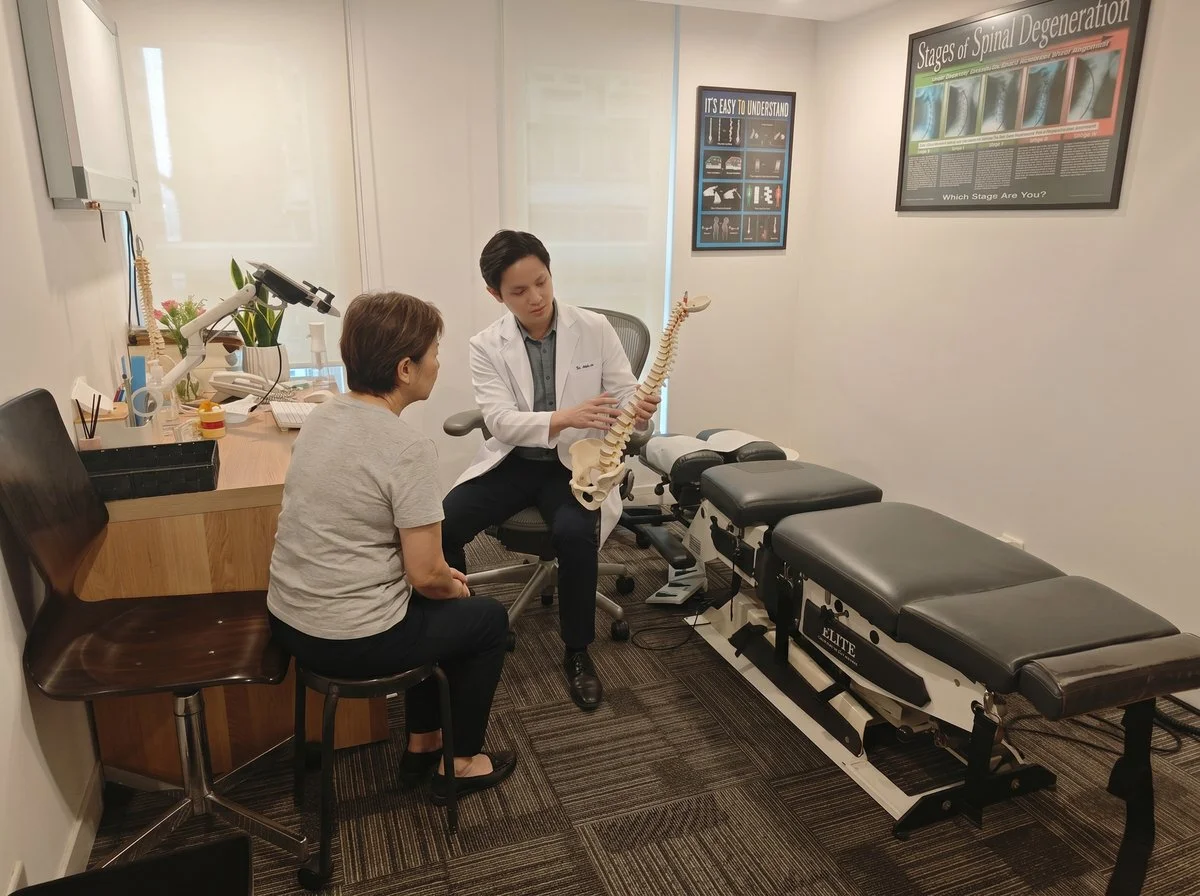
Your presentation suggests a non-musculoskeletal cause

Further investigation (such as imaging or lab test) is clinically appropriate

Symptoms indicate nerve involvement needing evaluation

You would benefit from shared care with another provider

Seek Urgent Medical Attention
Chiropractic care is not a substitute for emergency care. Seek urgent medical attention if you experience:
Sudden or worsening weakness, or difficulty walking

Groin/saddle numbness, or bladder/bowel changes

Chest pain, shortness of breath, fainting, or stroke-like symptoms

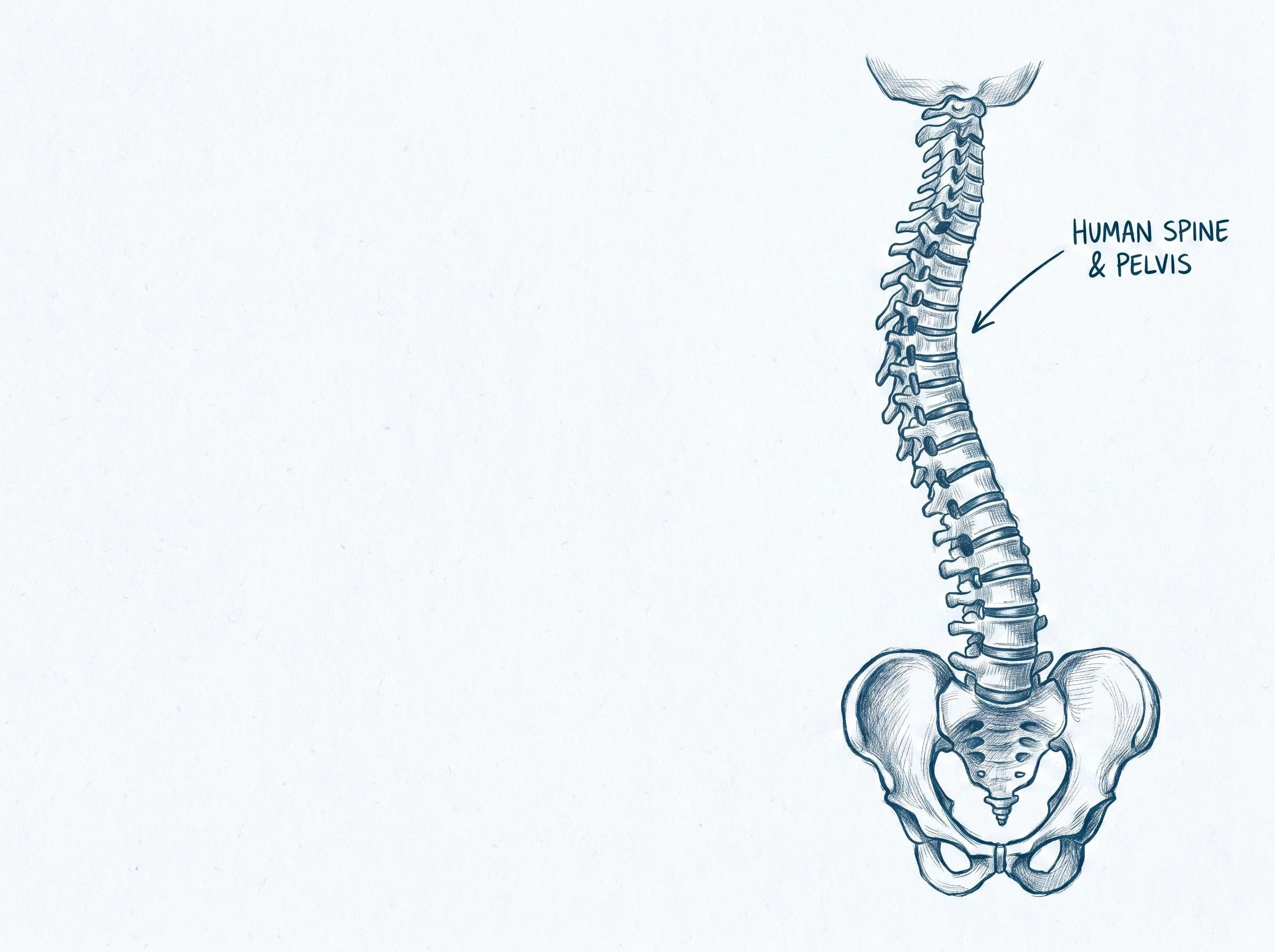
Imaging (X-ray / MRI):
When It May Be Recommended
Not every case needs imaging, and in many situations it isn’t necessary for starting care. If imaging is recommended, it’s usually because it may improve safety, rule out concerns, or provide clearer clinical direction—especially when symptoms are severe, persistent, unusual, or not progressing as expected.
Imaging may be recommended to:
1) Rule out underlying concerns (red flags) and support safe care
2) Clarify the likely cause of symptoms when findings are unclear
3) Guide the most appropriate treatment approach and expectations
Our Approach to Safe, Appropriate Care

At your first visit, we’ll take a detailed history and perform an examination tailored to your symptoms, which may include orthopaedic and neurological screening when appropriate. We’ll then explain our findings in plain language and outline suitable care options—whether that is chiropractic care, co-management, imaging, or referral.

Next Steps
If you’d like to see whether chiropractic care is right for you, we’re happy to help.