
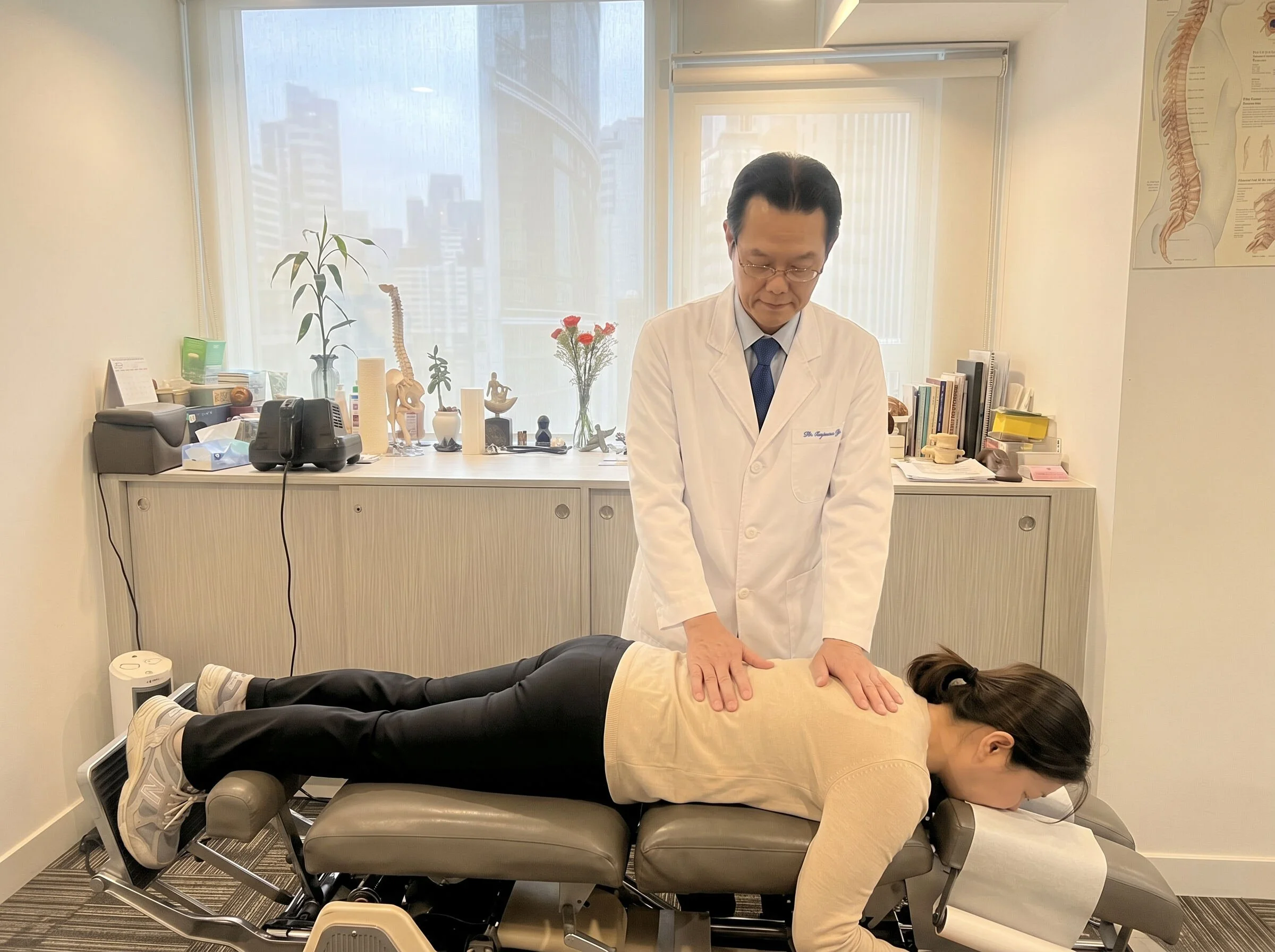
How We Assess
Our assessment process is designed to be thorough, step-by-step, and easy to follow. We explain what we are looking for and why, and we adapt the examination to your comfort level.
Step 1: Understanding Your Main Concern (Your Story)
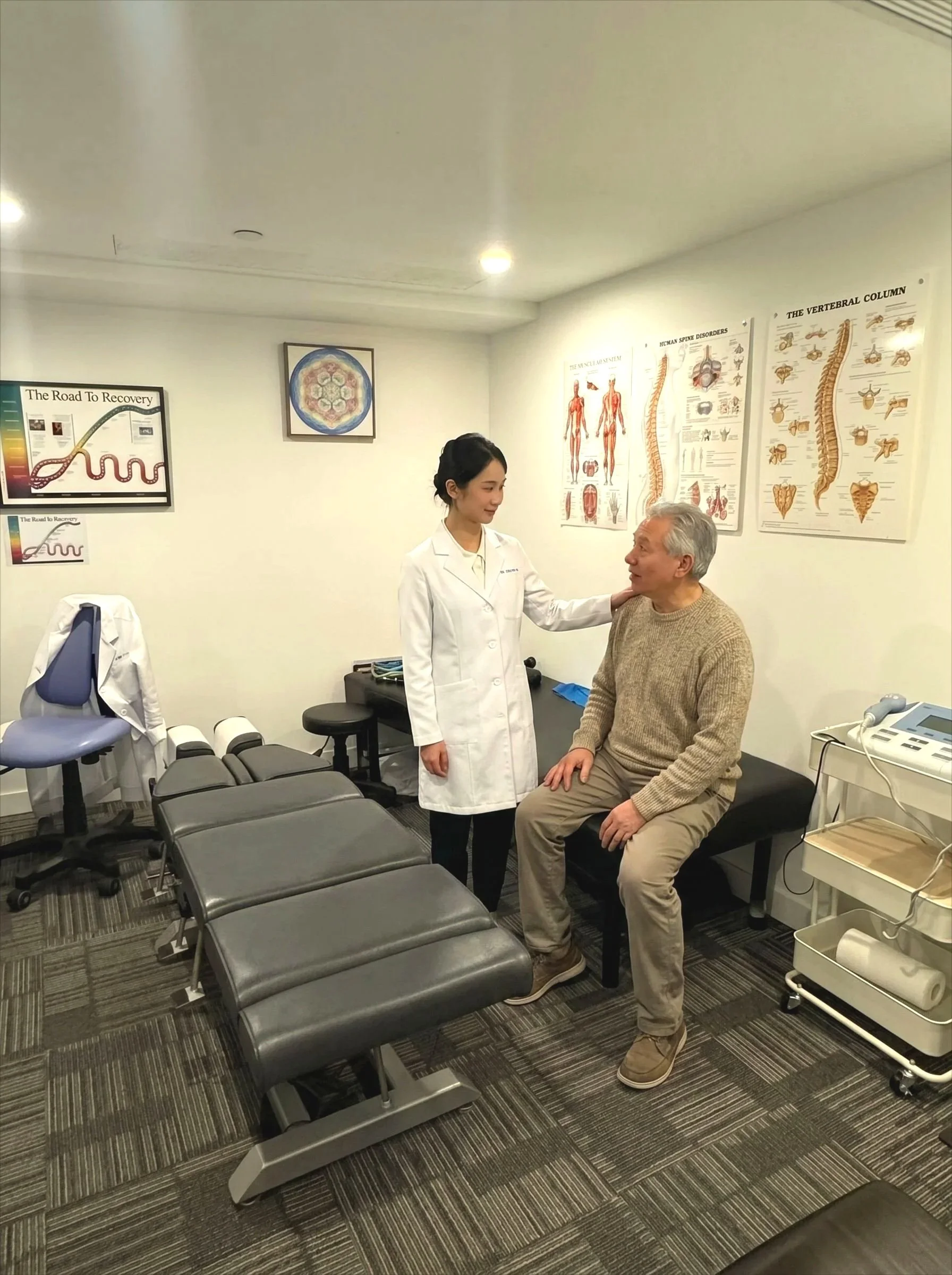
We begin by listening. This helps us understand the context of your symptoms and guides what we examine next.
We may ask about:

Where you feel symptoms (location, side, depth, spread)

How it started (sudden, gradual, after an injury, after increased activity, after long desk hours)

What makes it better or worse (movement, sitting, lifting, running, sleeping positions, stress, rest)

What your symptoms feel like (tightness, sharp pain, pins and needles, numbness, weakness)

How it affects your life (work, sport, sleep, walking, driving, caring for family)

Your goals (relief, return to activity, performance, prevention, confidence in movement)
Step 2: Health History & Safety Screening
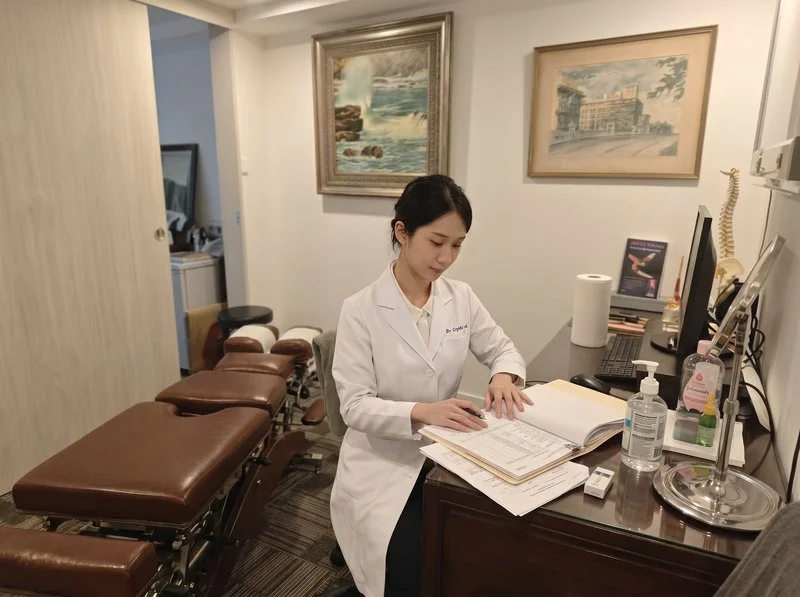

Next, we review relevant health factors so care is safe and appropriate.
This may include:
previous injuries, surgeries, or significant episodes of pain
current or past medical conditions
medications and supplements
recent treatments you are receiving (or have tried)
any additional symptoms that may be important to consider
We also screen for signs that suggest your symptoms may need a different pathway—such as further investigation, imaging, referral, or co-management with another healthcare professional.
Step 3: Clarifying What You Need Most (Your Priorities)
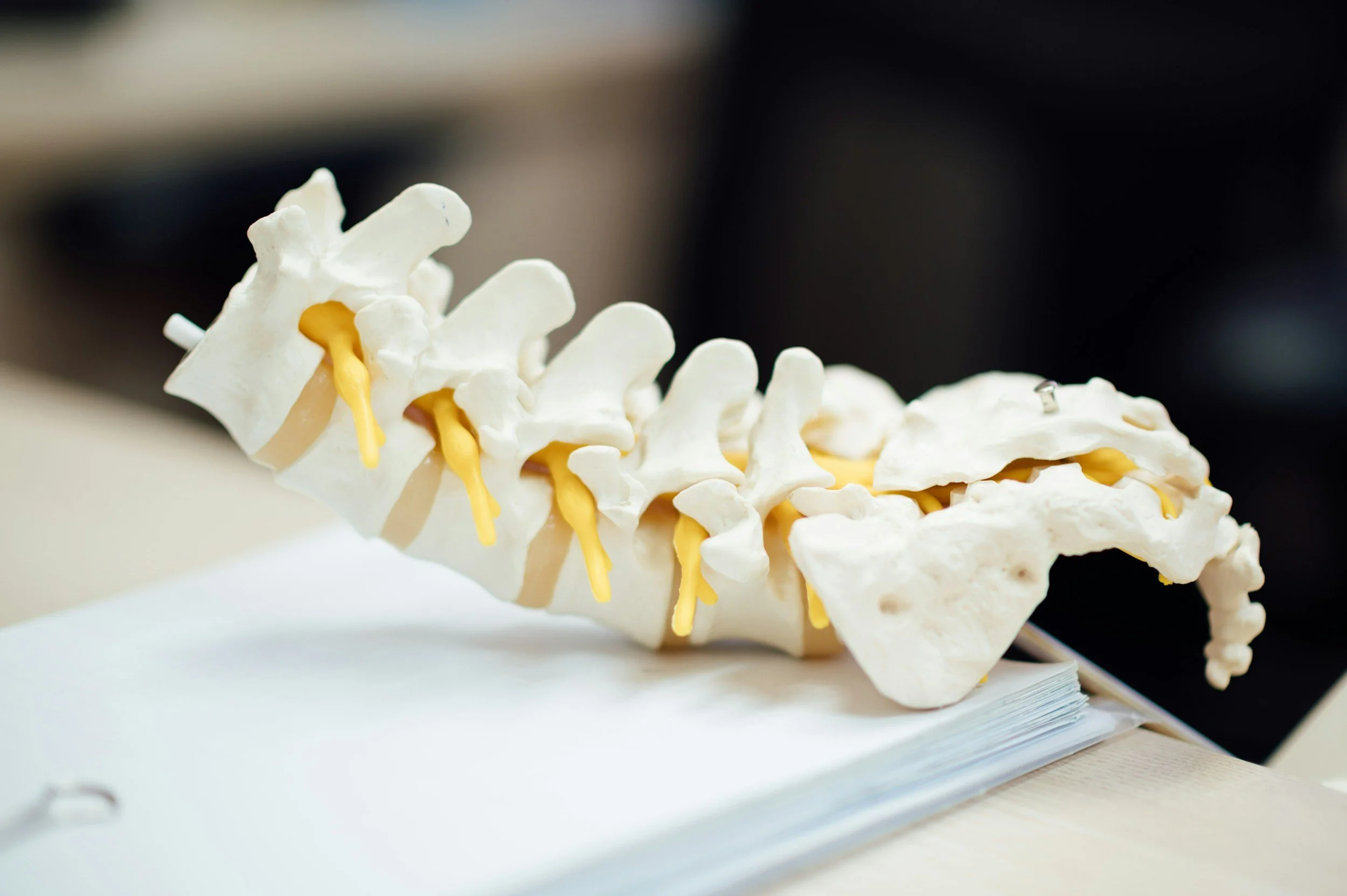
Not everyone needs the same focus. Some patients primarily need pain relief; others need to regain strength, return to sport, or reduce recurring flare-ups.
We clarify priorities such as:
Comfort and symptom control (calming irritation so you can move normally again)
Movement and mobility (restoring range and reducing restriction)
Strength and stability (improving control and resilience)
Load and activity tolerance (building capacity for work/training demands)
Prevention and self-management (reducing recurrence risk)
This ensures the assessment and the plan are aligned with what matters to you.
Step 4: Posture, Movement & Functional Assessment
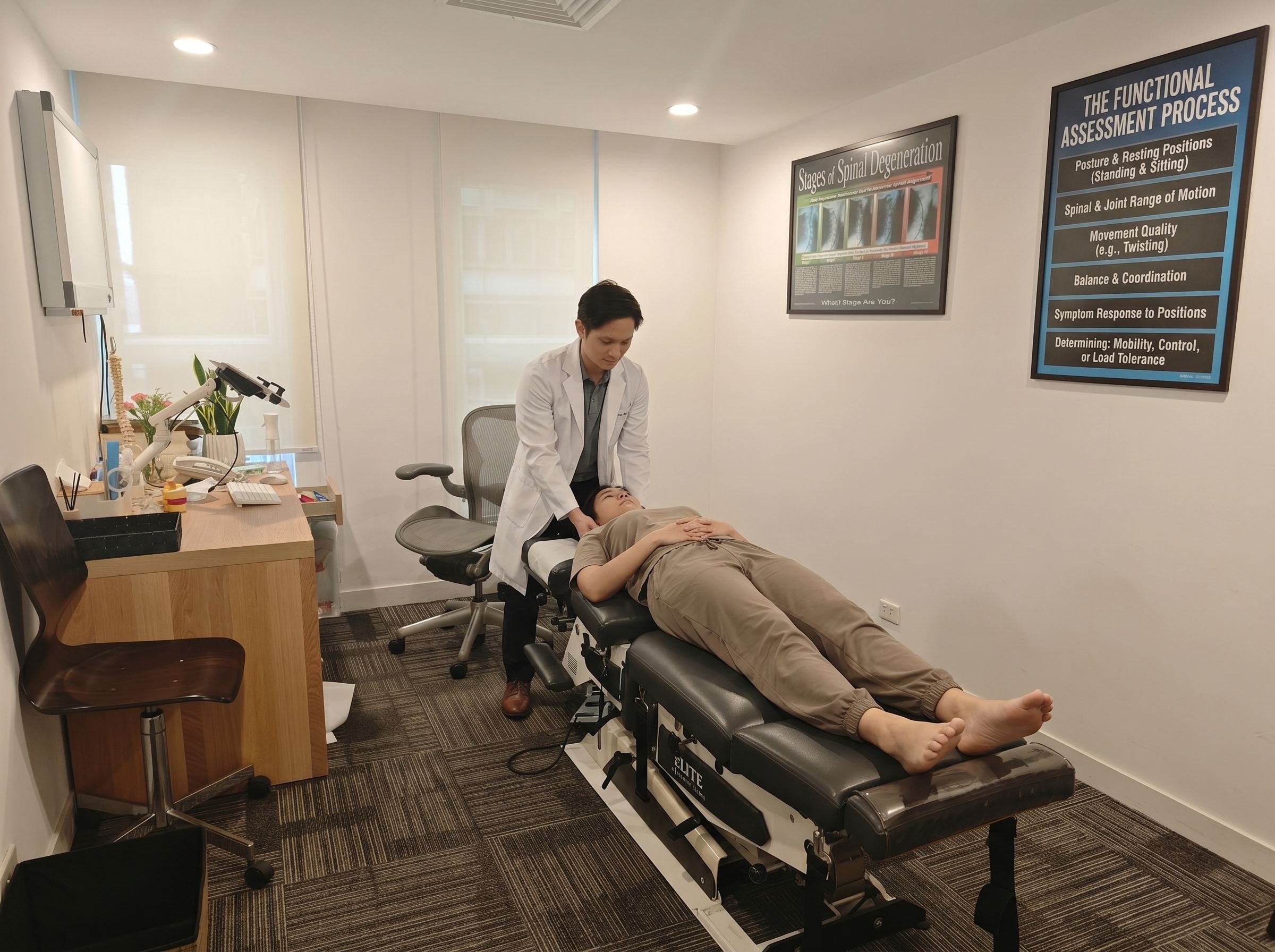
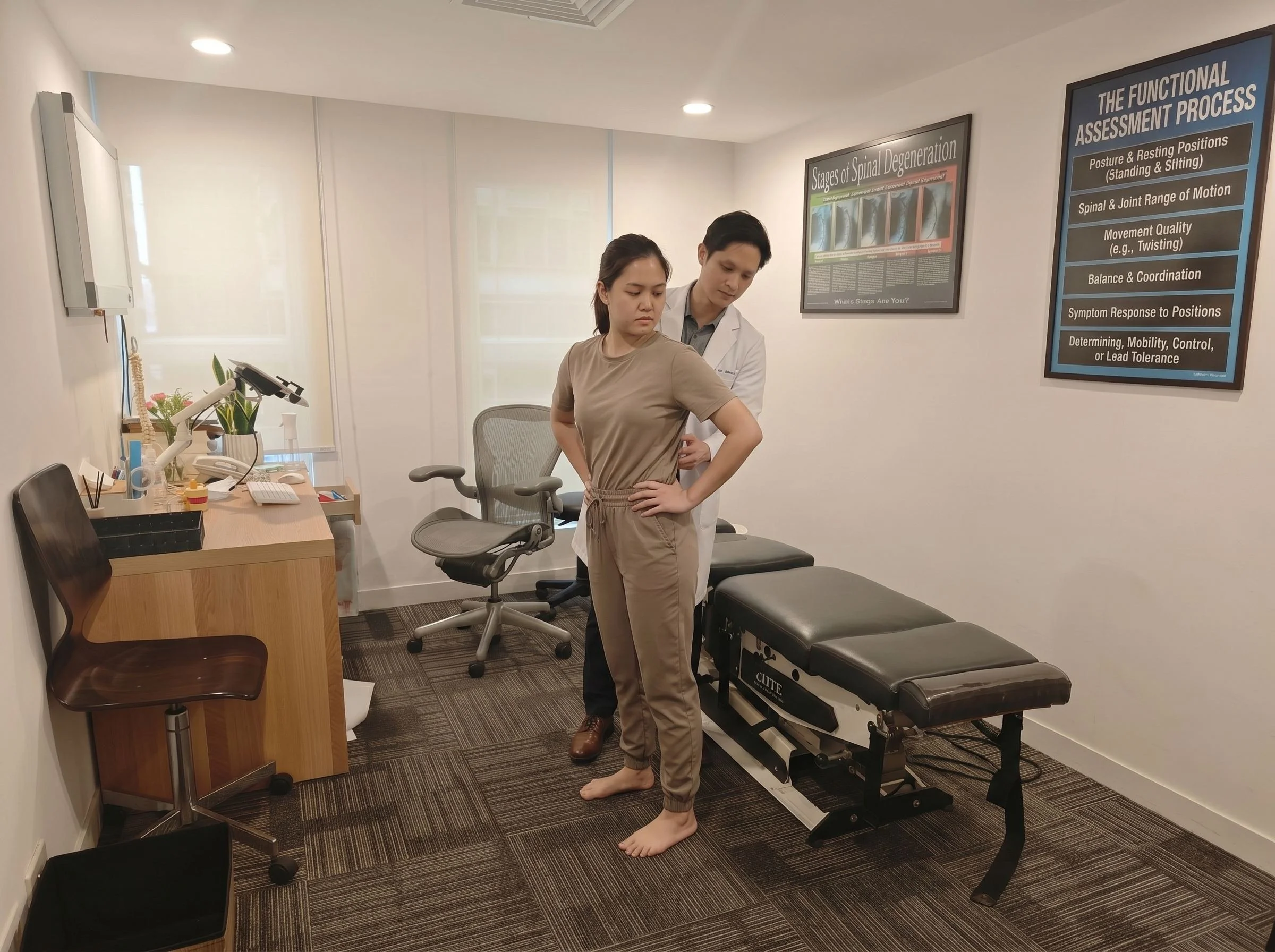
We then observe how you move. This is often where we identify patterns that contribute to ongoing discomfort.
Depending on your case, we may assess:
Posture and resting positions (standing and sitting)
Spinal and joint range of motion
Movement quality during common tasks (bending, twisting, squatting, reaching)
Balance and coordination where relevant
How symptoms change with different positions or movements
This step helps us determine whether the issue appears more related to mobility, control, load tolerance, or a combination.
Step 5: Targeted Physical Examination
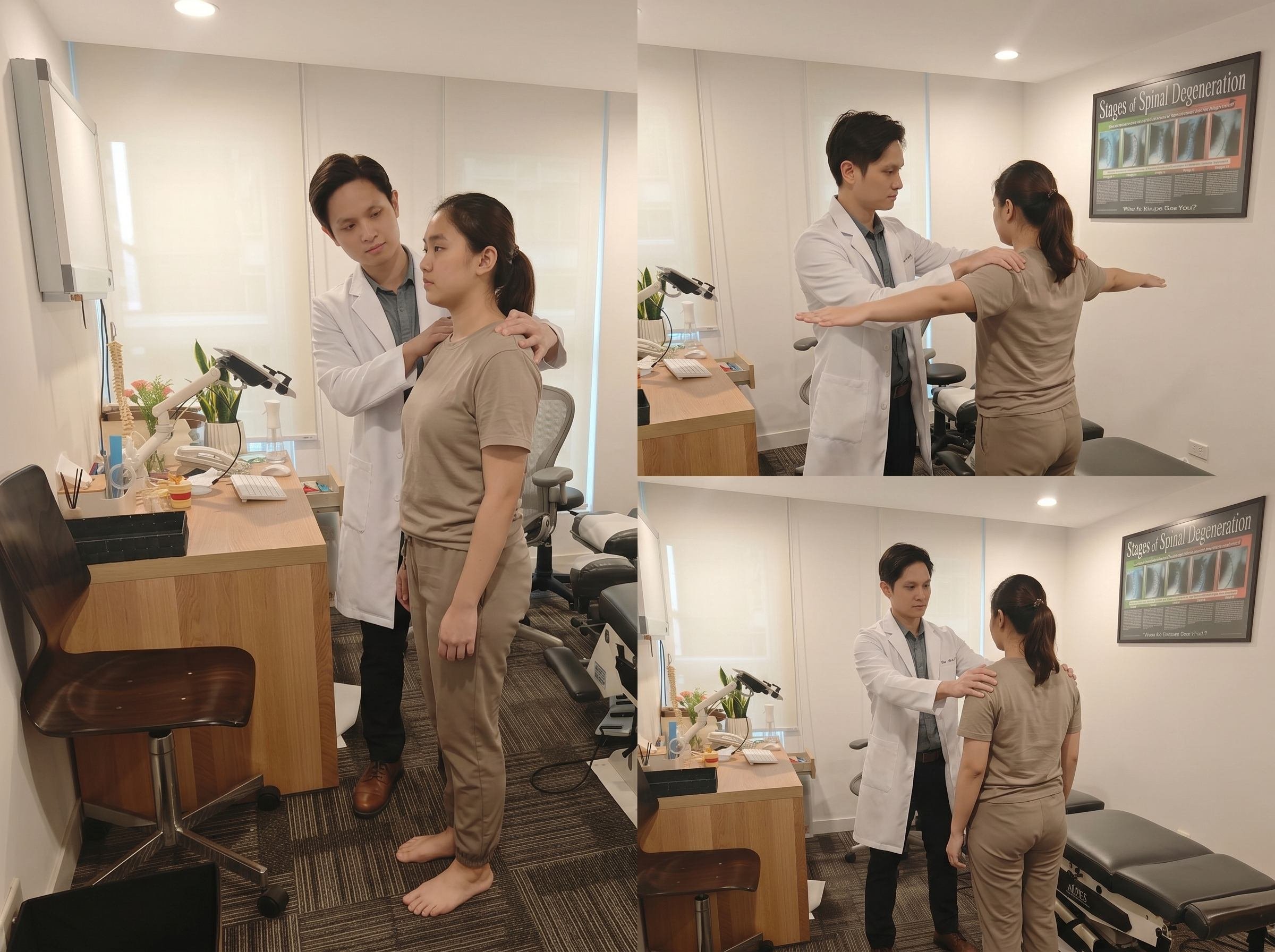
After movement assessment, we perform a more focused exam of the area(s) involved. This may include:
Joint mobility testing
Soft tissue assessment (muscles, tendons, trigger points)
Strength testing where appropriate
Checking for asymmetry or protective guarding
Identifying which structures or movements reproduce symptoms
This part of the assessment is not about “finding everything wrong.” It is about identifying the most relevant factors for your symptoms and goals.
Step 6: Orthopaedic & Neurological Checks (When Appropriate)
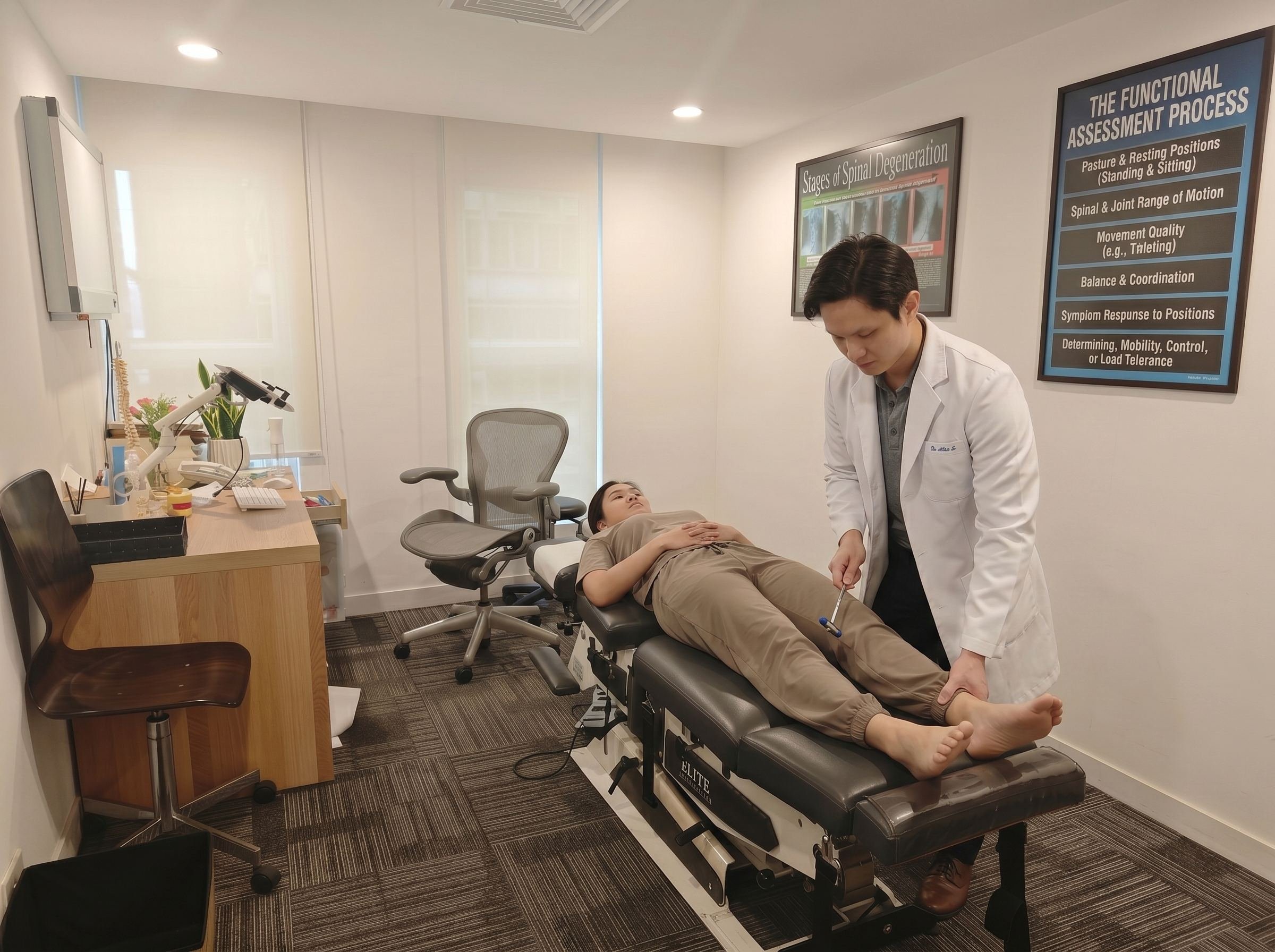
When needed, we include additional screening tests to check nerve and joint function. This may involve:
Reflexes, sensation, and muscle strength screening
Nerve tension tests (for radiating symptoms such as tingling or numbness)
Orthopaedic tests to help clarify the most likely source of pain
These checks help confirm whether chiropractic care is appropriate and whether referral or imaging should be considered.
Step 7: Putting the Findings Together (Clinical Reasoning)
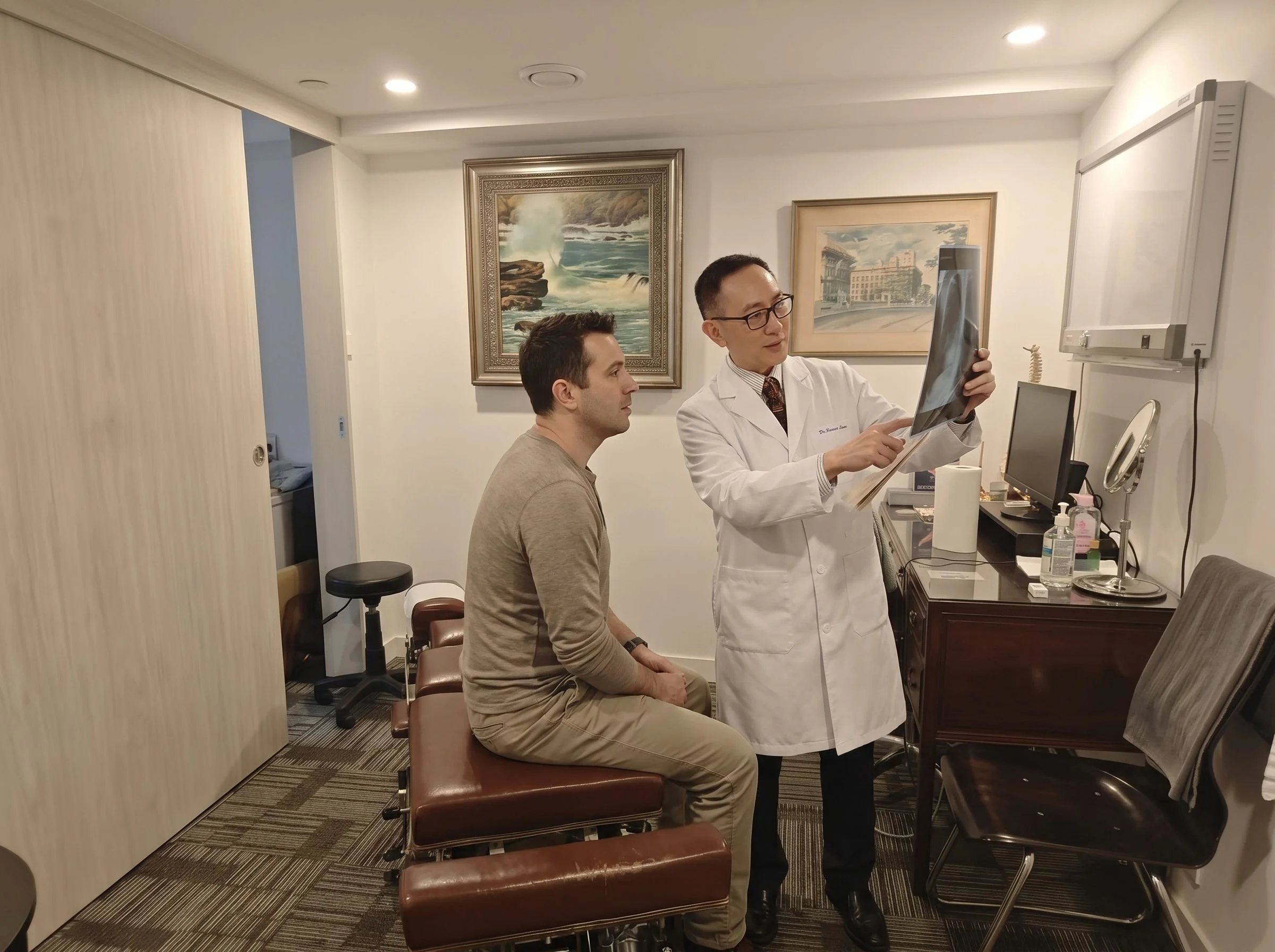
After we gather the information, we combine what you told us with what we found on examination to form a working understanding of your case.
We focus on:
The most likely contributors to your symptoms
What seems to be maintaining the problem (e.g., restriction, overload, poor recovery, repetitive stress)
What is likely to respond best first (relief vs rehab focus)
Any factors that require extra caution, modification, or referral
This step is important because it prevents “routine treatment” and ensures care is tailored, not generic.
Step 8: Explaining What We Found (In Plain Language)
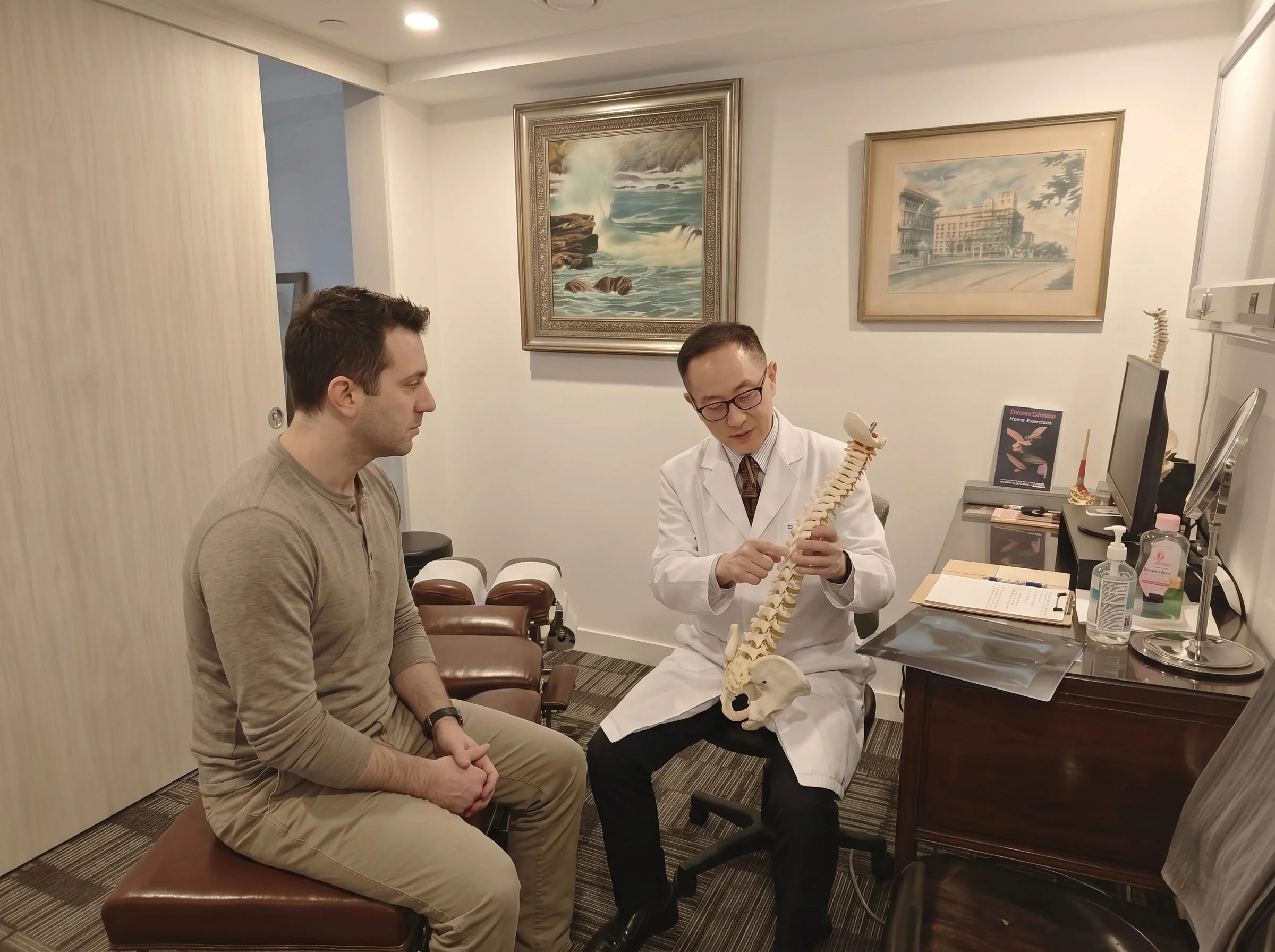
We explain the findings clearly and practically, including:
What we think is happening and why
Which movements or activities are currently most relevant
What we recommend focusing on first
What options you have (including alternatives)
What you can do at home to support progress
You will have time to ask questions. We want you to feel informed—not rushed.
Step 9: Deciding the Next Step (Plan, Options, or Referral)
Based on your assessment, the next step typically falls into one of these pathways:

A) Care starts today
If it is appropriate and you are comfortable proceeding, we may begin care the same day.

B) Modify the approach
If your symptoms are highly sensitive or you prefer gentler care, we may start with a more conservative plan (for example, lighter hands-on work, movement guidance, and simple home strategies).

C) Imaging / referral / co-management
If your presentation suggests imaging could be helpful, or if another healthcare professional should be involved, we will explain why and help guide the next step.
Step 10: Measuring Progress (So We Don’t Guess)
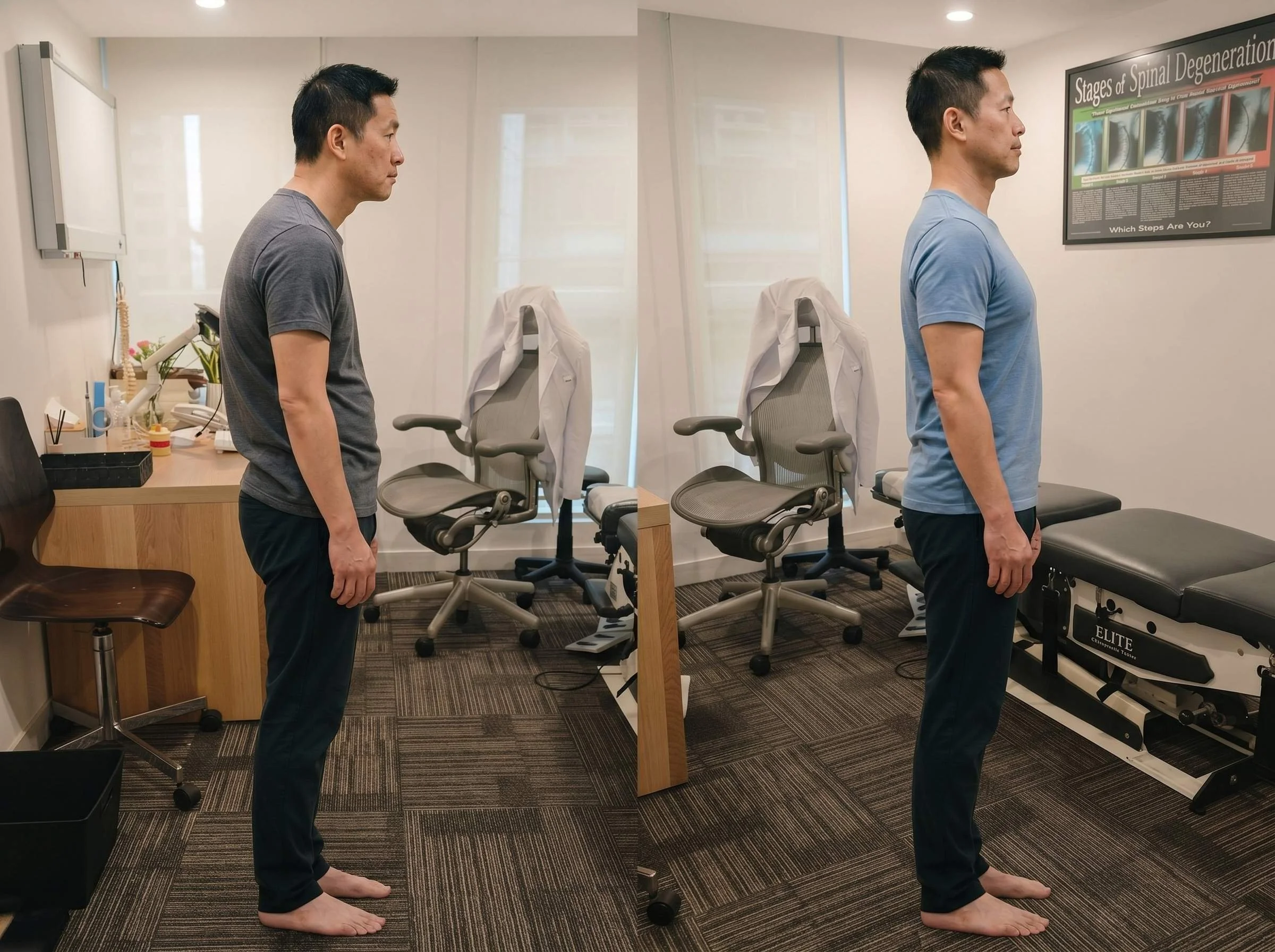
We don’t rely on “hope” as a strategy. We track progress using measures that matter for you, such as:
Pain intensity and frequency
Movements that were limited or sensitive
Daily activity tolerance (sitting, walking, sleep, lifting)
Work and sport capacity
Recurrence and flare-up patterns
This allows us to adjust your care plan based on response—continuing what helps and changing what doesn’t.

A Practical, Patient-First Approach
Our assessment process is designed to be:
Thorough (so important details aren’t missed)
Safe (screening and appropriate referrals matter)
Individualised (based on your body, goals, and lifestyle)
Clear (you should understand what’s happening and why)
If you’re unsure whether chiropractic care is right for your symptoms, we’re happy to guide you.