
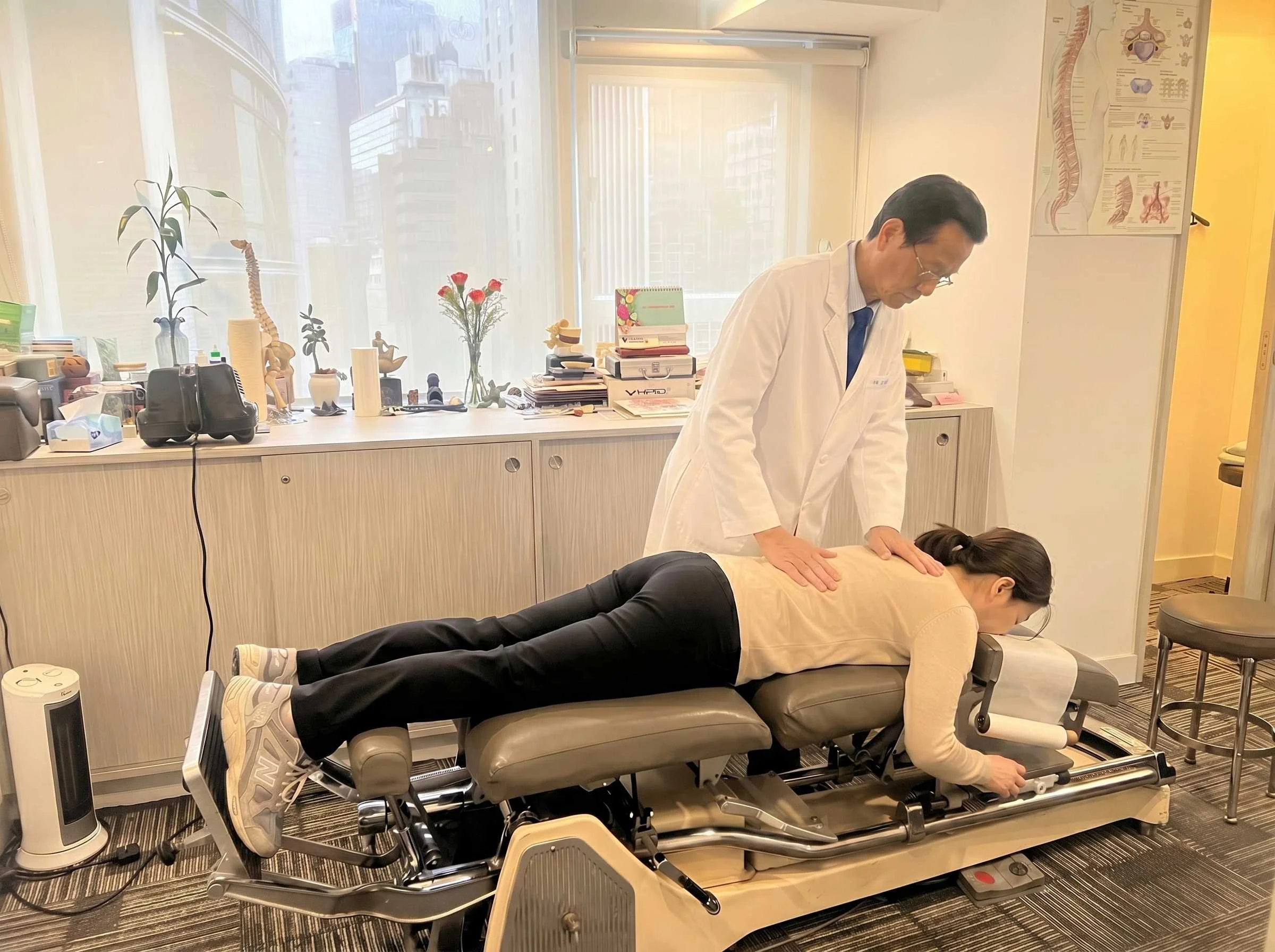
Fascial Release Therapy
What Is Fascial Release Therapy?
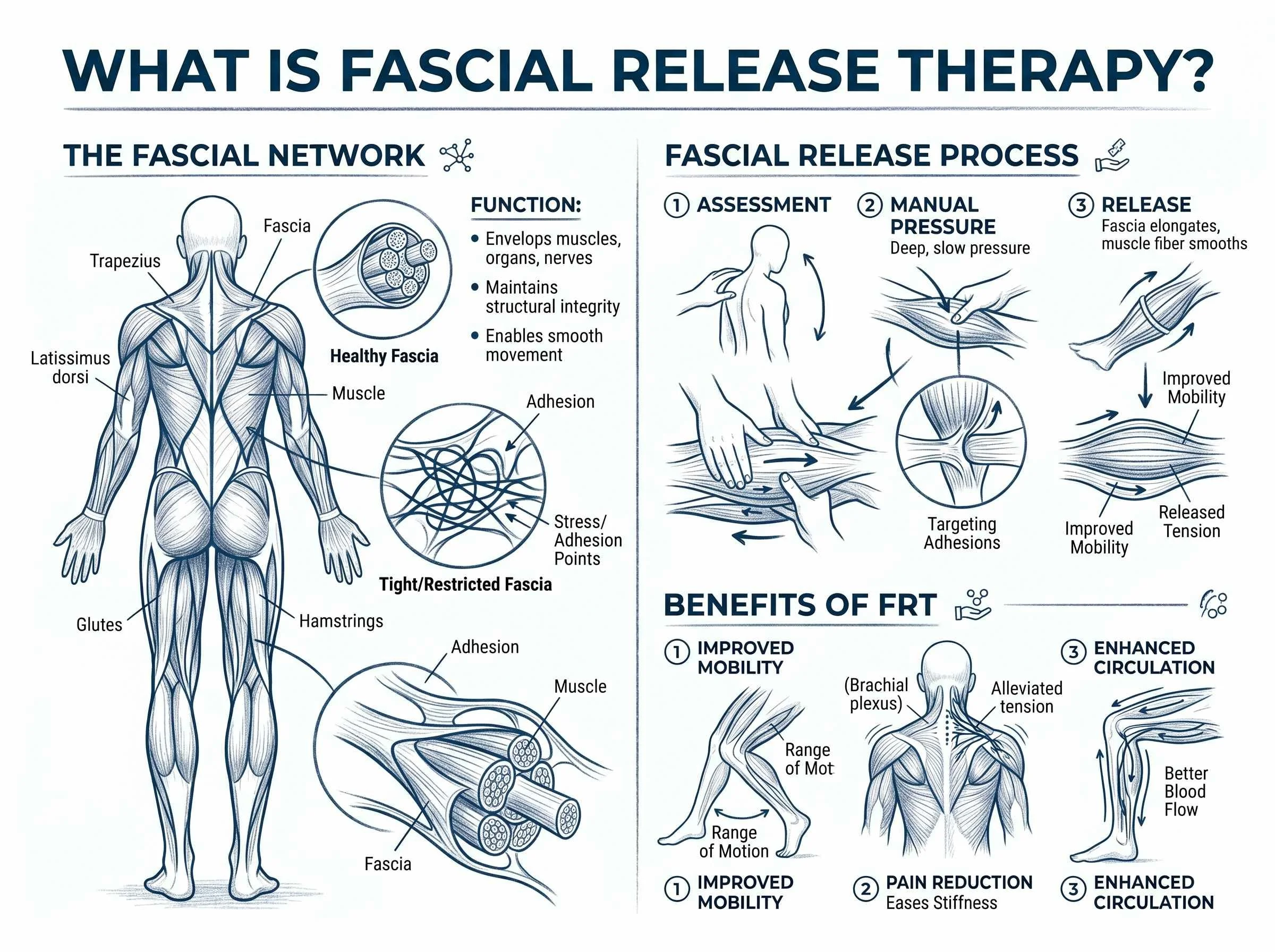
Fascial Release Therapy is a hands-on technique that targets the body’s fascia—the thin connective tissue that surrounds and supports muscles, joints, and nerves. When fascia becomes tight or irritated from stress, overuse, injury, or long periods of sitting, it can contribute to stiffness, restricted movement, and ongoing aches.
Using gentle, sustained pressure and guided stretching, we help reduce tension in these tissue layers, improve mobility, and restore more comfortable movement.
A Whole-Body Perspective
We don’t just focus on where it hurts. Because fascia connects across regions of the body, restrictions in one area can contribute to overload, stiffness, or compensations elsewhere. Our approach combines assessment, targeted hands-on work, and ongoing feedback to help you move more comfortably.
Assessment of the Kinetic Chain
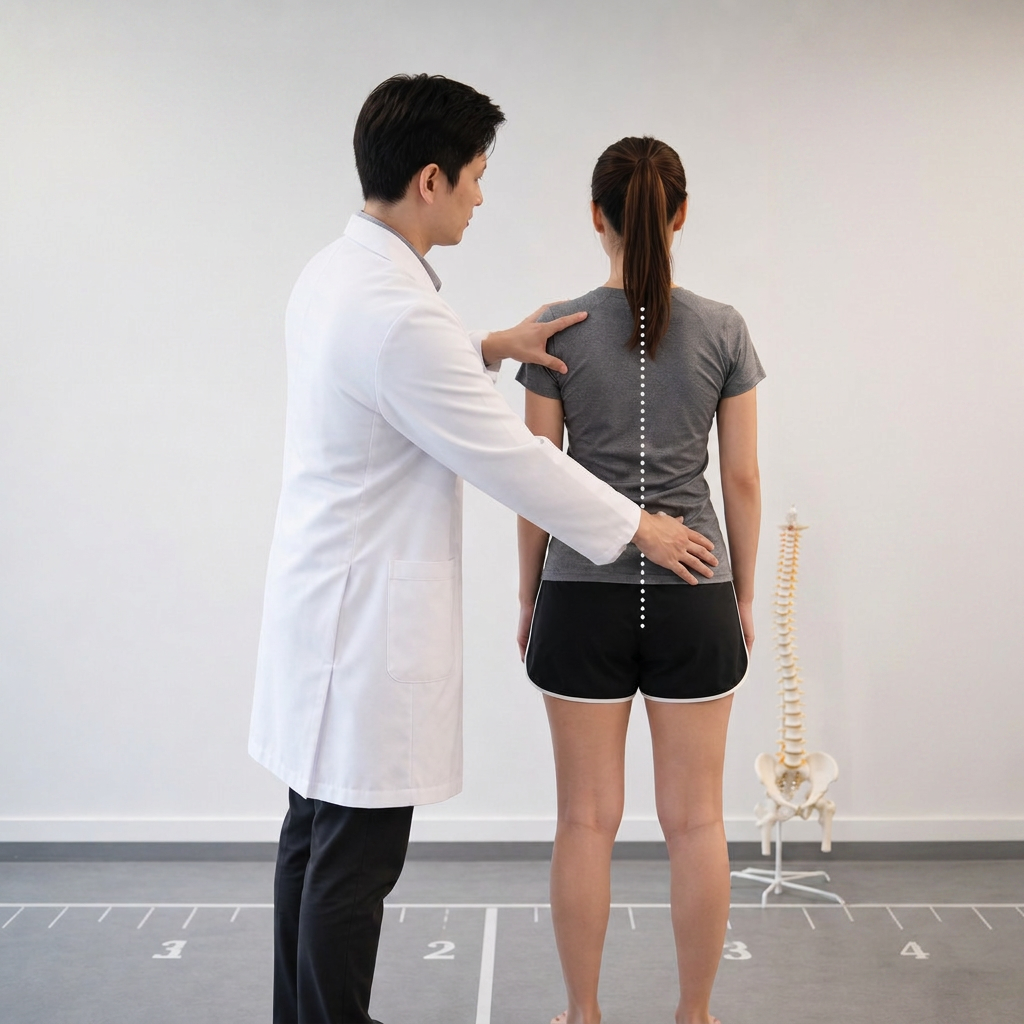
We assess posture, joint motion, and movement patterns to understand how your body is distributing load. This helps us identify areas of restriction and compensation that may be contributing to your symptoms—sometimes even away from the primary pain site.
Sustained, Targeted Manual Pressure
Sustained, Targeted Manual Pressure
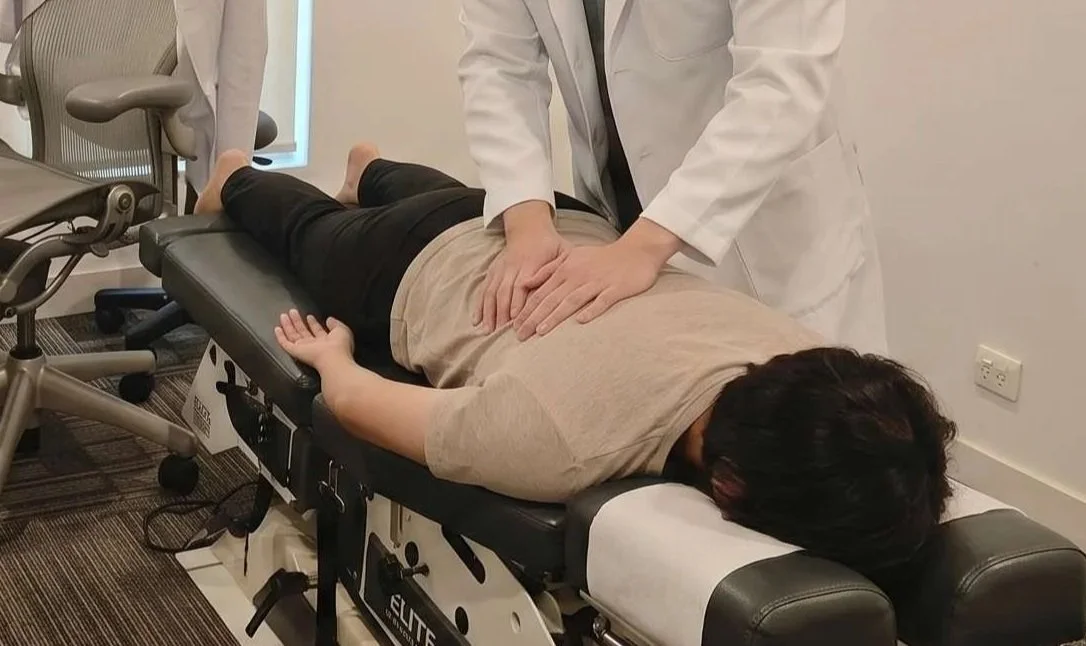
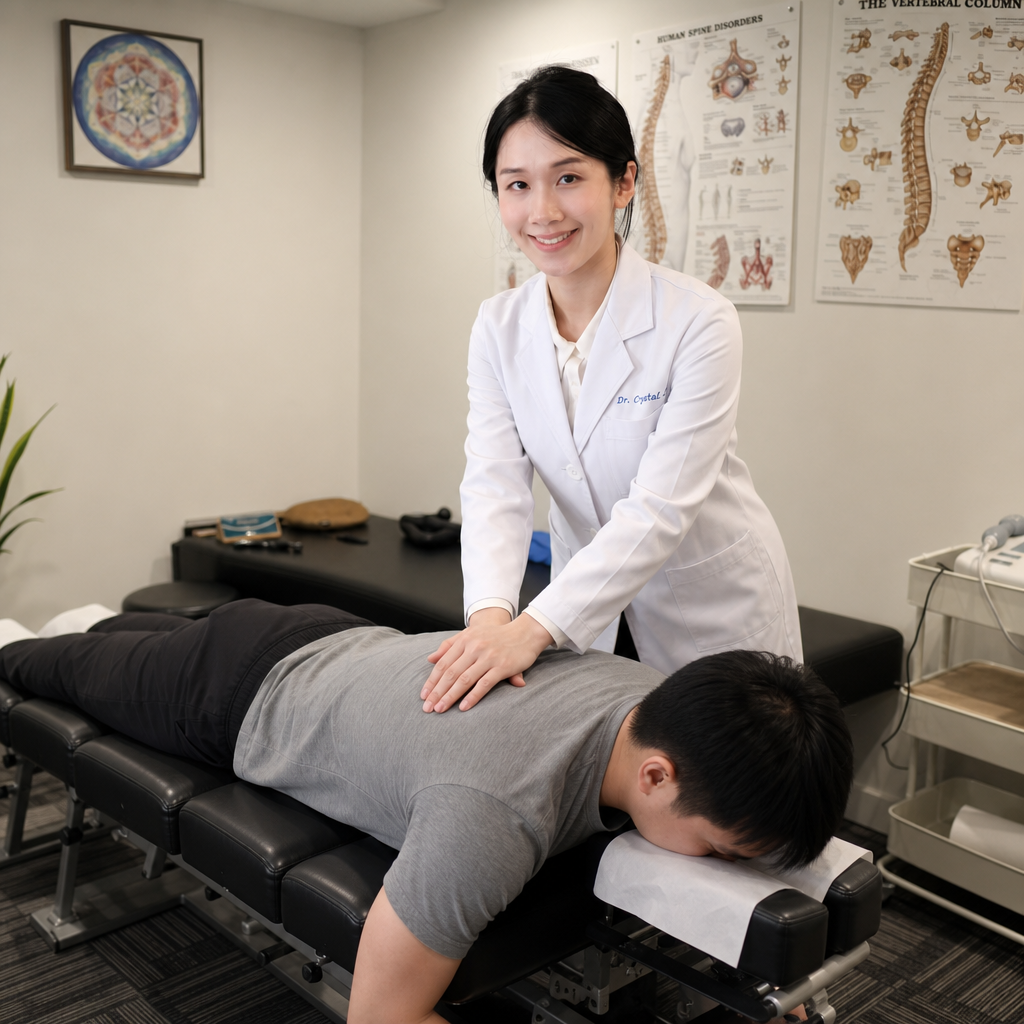
Rather than quick, superficial strokes, we use slow, deliberate pressure and guided stretching to address restricted tissue layers. This approach can help decrease sensitivity, improve tissue glide, and support more lasting changes in how you move.
Rather than quick, superficial strokes, we use slow, deliberate pressure and guided stretching to address restricted tissue layers. This approach can help decrease sensitivity, improve tissue glide, and support more lasting changes in how you move.
Integrated with Chiropractic Care (When Appropriate)
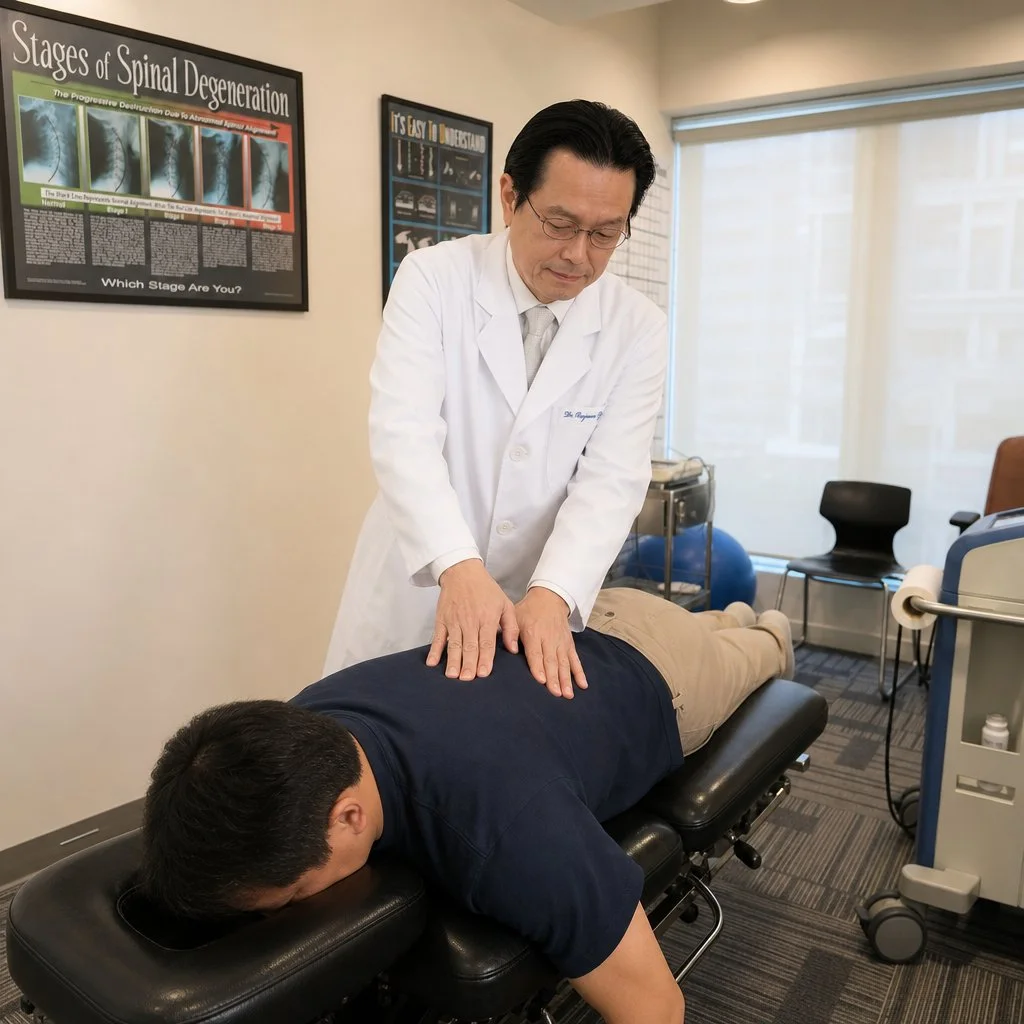
Fascial Release Therapy is often used alongside chiropractic care. By reducing soft-tissue tension around the spine and joints, adjustments and corrective exercises can feel more comfortable and may hold more effectively.
Guided by Your Feedback
Guided by Your Feedback
Your comfort matters. We work within your tolerance and adjust pressure in real time—aiming for an effective, therapeutic intensity without provoking guarding. You’ll always be in control of the pace and depth of treatment.
Your comfort matters. We work within your tolerance and adjust pressure in real time—aiming for an effective, therapeutic intensity without provoking guarding. You’ll always be in control of the pace and depth of treatment.

More Than Just Relaxation
The goal of Fascial Release Therapy is to support your journey back to optimal function. The key benefits include:
Improved Mobility and Flexibility
Reduced Pain & Tension

Reduced Stiffness

Better Posture & Body Awareness

Lowered Physical Stress

Who This Treatment Is For
Fascial Release Therapy is highly beneficial for those experiencing "stiffness" that doesn't seem to go away with stretching alone. It is particularly suitable for:

Individuals with Chronic Postural Strain

Athletes and Fitness Enthusiasts

Post-Surgical or Post-Injury Patients

Activity and workplace advice
Sufferers of Chronic Tension
What to Expect
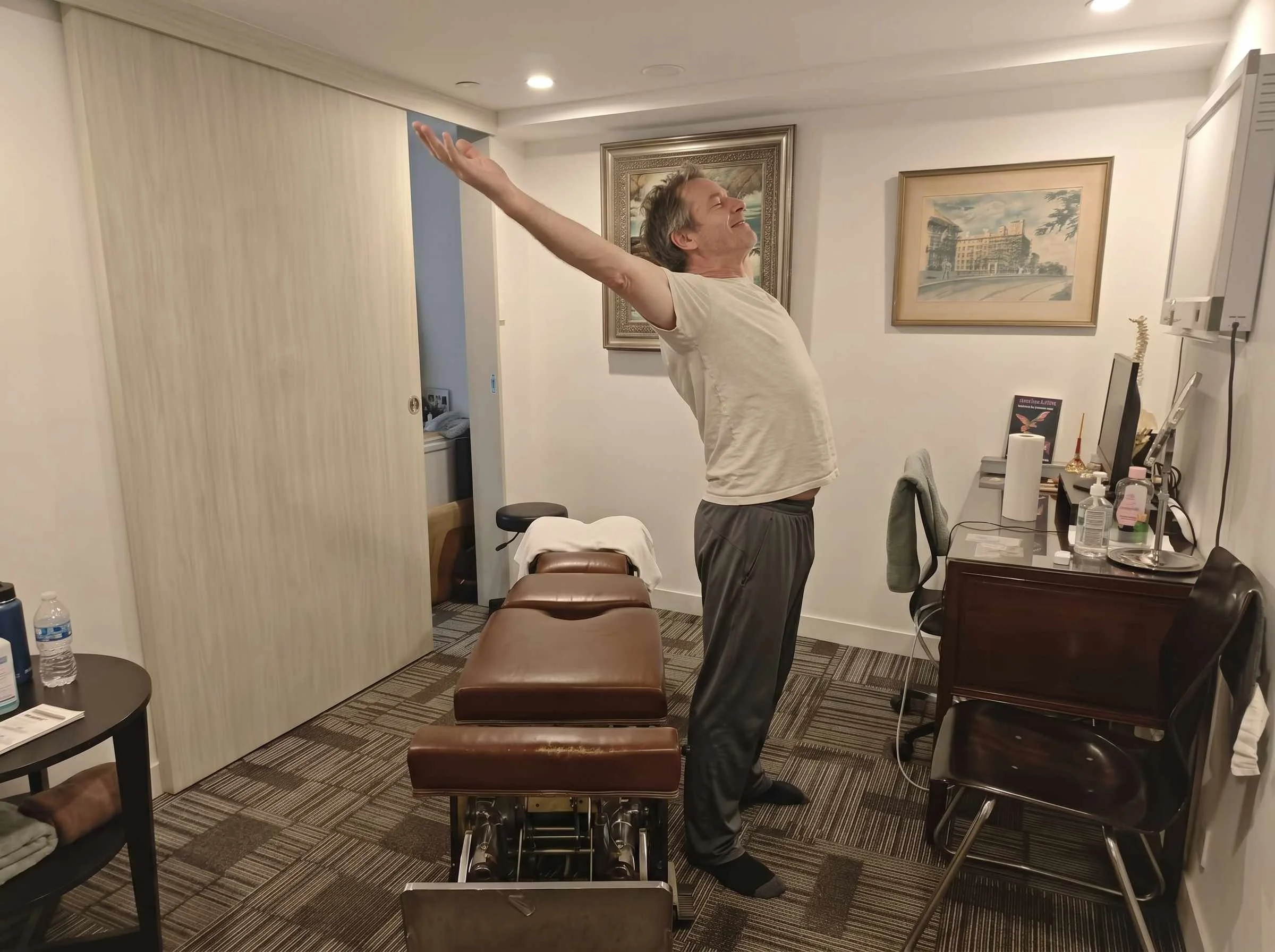
Fascial Release Therapy is typically a gradual process. Some people notice changes in comfort or mobility after the first session, but longer‑standing tightness often responds best over a short series of visits.
During treatment, you may feel slow stretching, steady pressure, or gentle warmth as the tissues relax. We’ll check in throughout your session and adjust the depth to stay effective and comfortable.
You can expect:
A brief movement/posture check to guide treatment
Targeted hands-on work focused on the areas that feel restricted
Simple recommendations to support your results between visits
Next Steps
If you feel “bound up,” stiff, or limited in your daily activities, Fascial Release Therapy may be a helpful next step. Our team will create a plan based on your goals—so you can move with more ease and confidence. Please contact us or submit the contact form. Our team will respond as soon as possible to confirm availability and next steps.