
Knee Pain
What is Knee Pain?
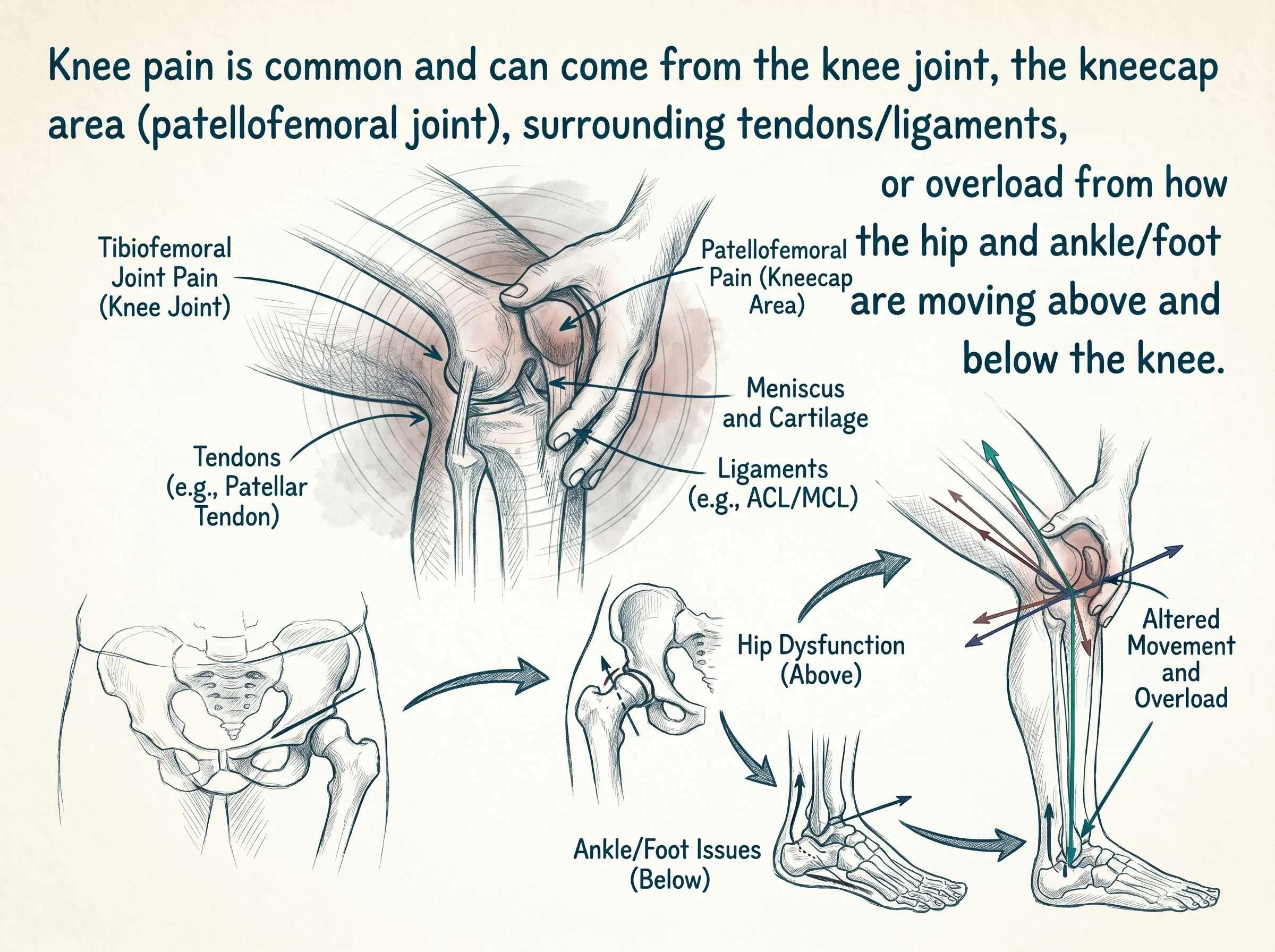
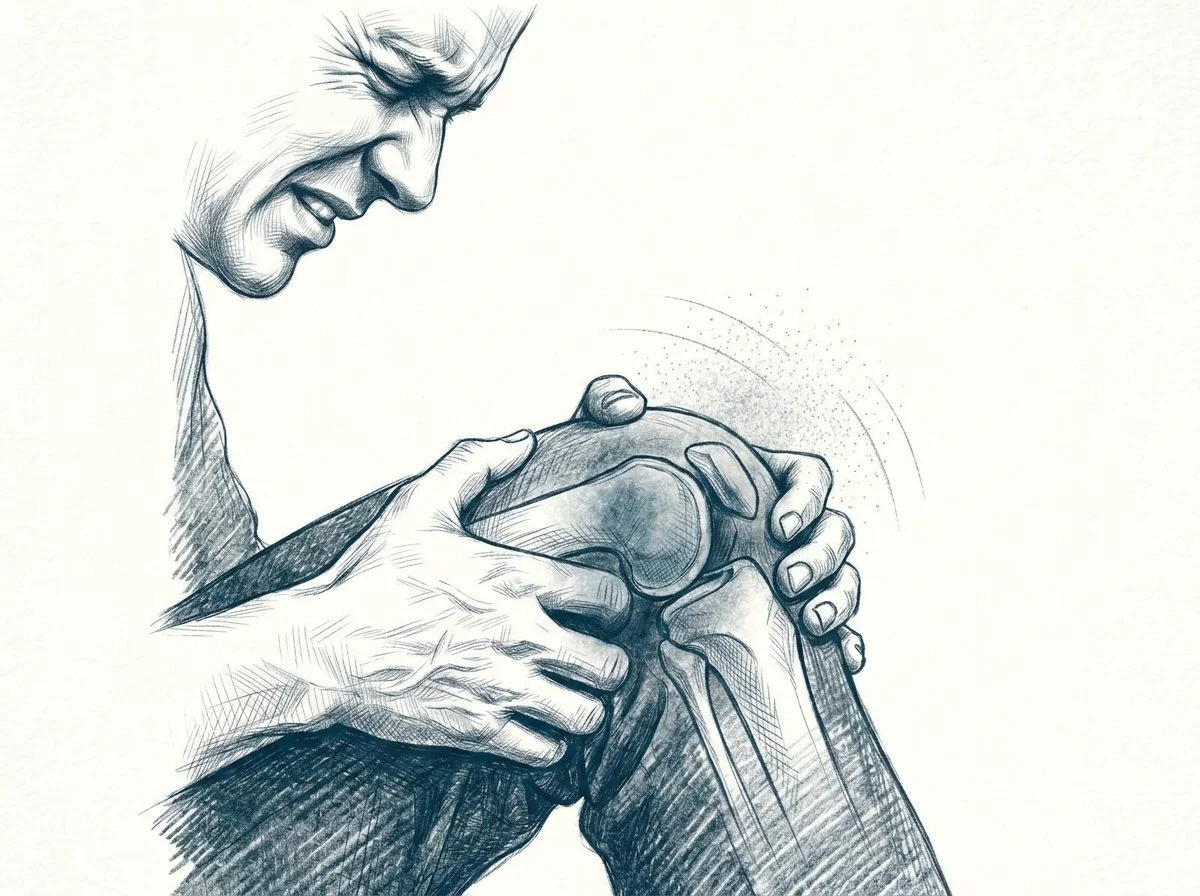
Knee pain is common and can come from the knee joint, the kneecap area (patellofemoral joint), surrounding tendons/ligaments, or overload from how the hip and ankle/foot are moving above and below the knee. Symptoms may start after a specific injury, or gradually with running, squatting, stairs, kneeling, or long days on your feet.
The most helpful first step is identifying your pattern—what activities provoke it, where you feel it, and what eases it—so we can build the right plan.
Knee Pain (Most Common)
Many knee pain cases are related to irritation from repeated load rather than a single “damage” event. The goal is to calm symptoms, restore confident movement, and rebuild strength and tolerance so the knee can handle daily life and training again.
Common patterns include:
Pain around/behind the kneecap (often worse with stairs or sitting)
Tendon pain (often worse with running/jumping/squats)
Stiffness/swelling after activity
What Knee Pain Can Feel Like
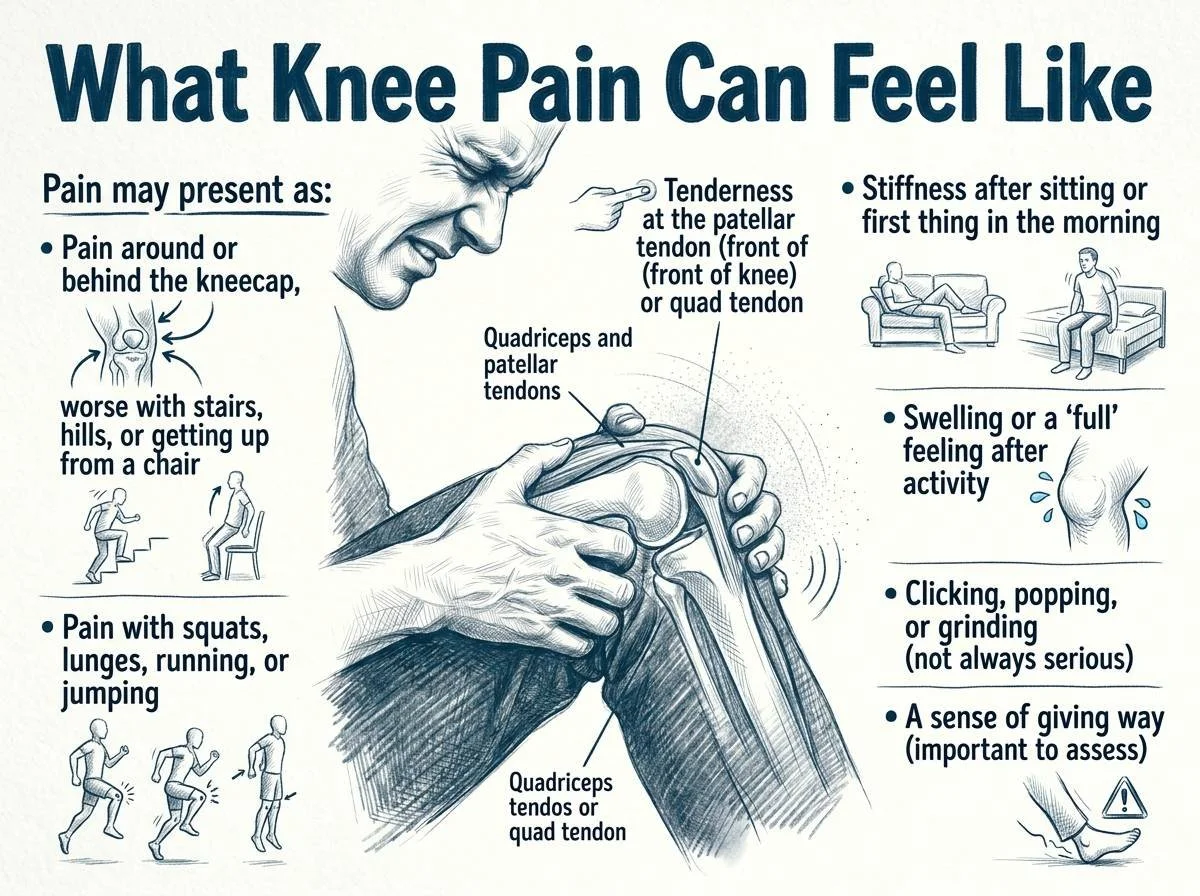
Knee pain may present as:
Pain around or behind the kneecap, worse with stairs, hills, or getting up from a chair
Pain with squats, lunges, running, or jumping
Tenderness at the patellar tendon (front of knee) or quad tendon
Stiffness after sitting or first thing in the morning
Swelling or a “full” feeling after activity
Clicking, popping, or grinding (not always serious)
A sense of giving way (important to assess)
Get assessed promptly if your knee rapidly swells after an injury, locks (can’t fully bend/straighten), repeatedly gives way, you can’t bear weight, or you have severe pain after a fall/impact.
Why Knee Pain Happens?
Most cases relate to how the knee joint and surrounding tissues (and often the hip and ankle/foot mechanics) are tolerating load and movement.
Common contributors include:
Rapid increases in running, jumping, squatting, or stair volume
Patellofemoral overload (kneecap area sensitivity/load tolerance)

Tendon irritation (patellar or quadriceps tendon)
Hip strength/control deficits increasing knee stress

Ankle/foot mobility limits changing knee mechanics
Because several structures can refer pain in similar ways, the “exact cause” isn’t always obvious without a proper exam. If needed, we can advise whether imaging or referral is appropriate.
How Chiropractic Care Can Help Knee Pain
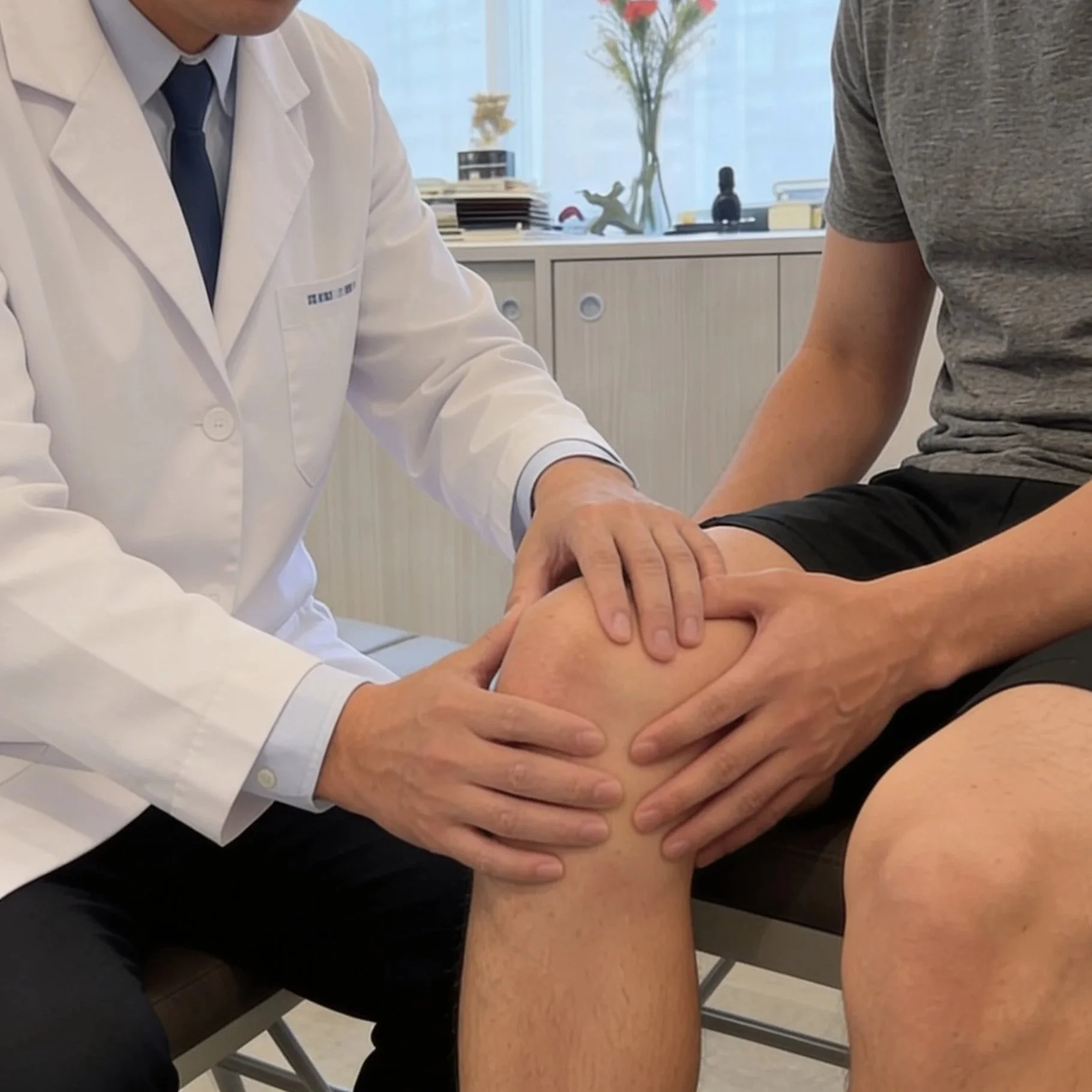
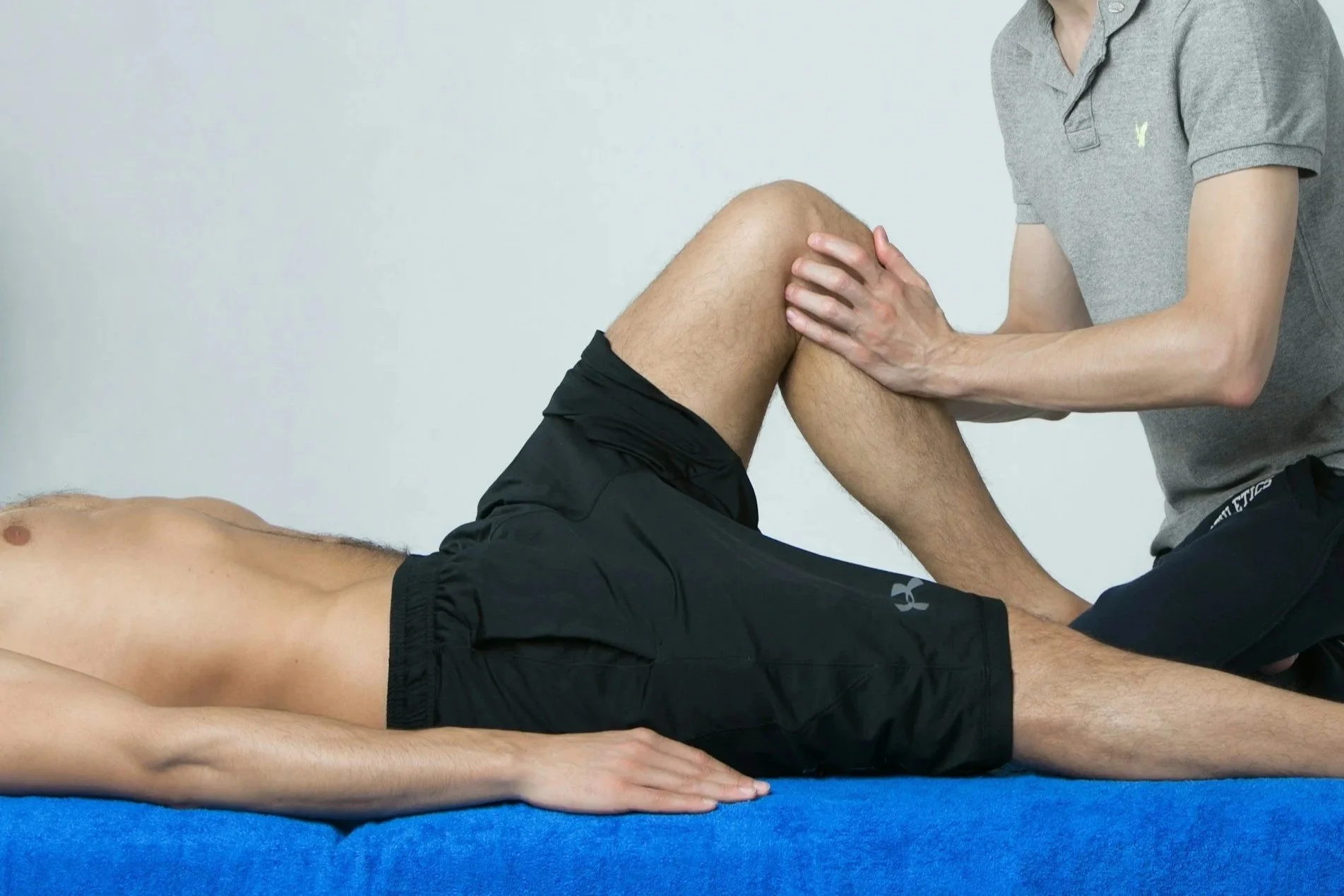
Care is individualized based on your exam findings, goals, and comfort level. A typical plan may include:
1) Pain relief and restoring motion
Hands-on care may help reduce protective tension and improve comfortable range of motion.
2) Addressing contributing mechanics
Treatment and exercises may include work on the hip, ankle/foot, and knee, depending on what’s driving the overload.
3) Progressive strengthening and capacity building
A clear plan to rebuild tolerance for:
Stairs, walking, running
Squatting, lifting, jumping (as appropriate)
Work demands (kneeling, climbing, long standing)
4) Practical modifications (temporary, targeted)
Guidance on training adjustments, pacing, footwear considerations (if relevant), and a return-to-activity progression.
Book an Appointment
We’ll assess the knee and the factors around it, identify the likely pain driver(s), and build a plan to get you back to strong, confident movement.