

Patient Stories
Below are case examples that reflect the types of concerns we commonly see in clinic. They’re shared to show why someone sought care, what the process looked like, and how progress was measured. Every case is different, so these stories are not a guarantee of the same results.
Case 1: Tailbone pain after a skiing fall (Coccyx pain)
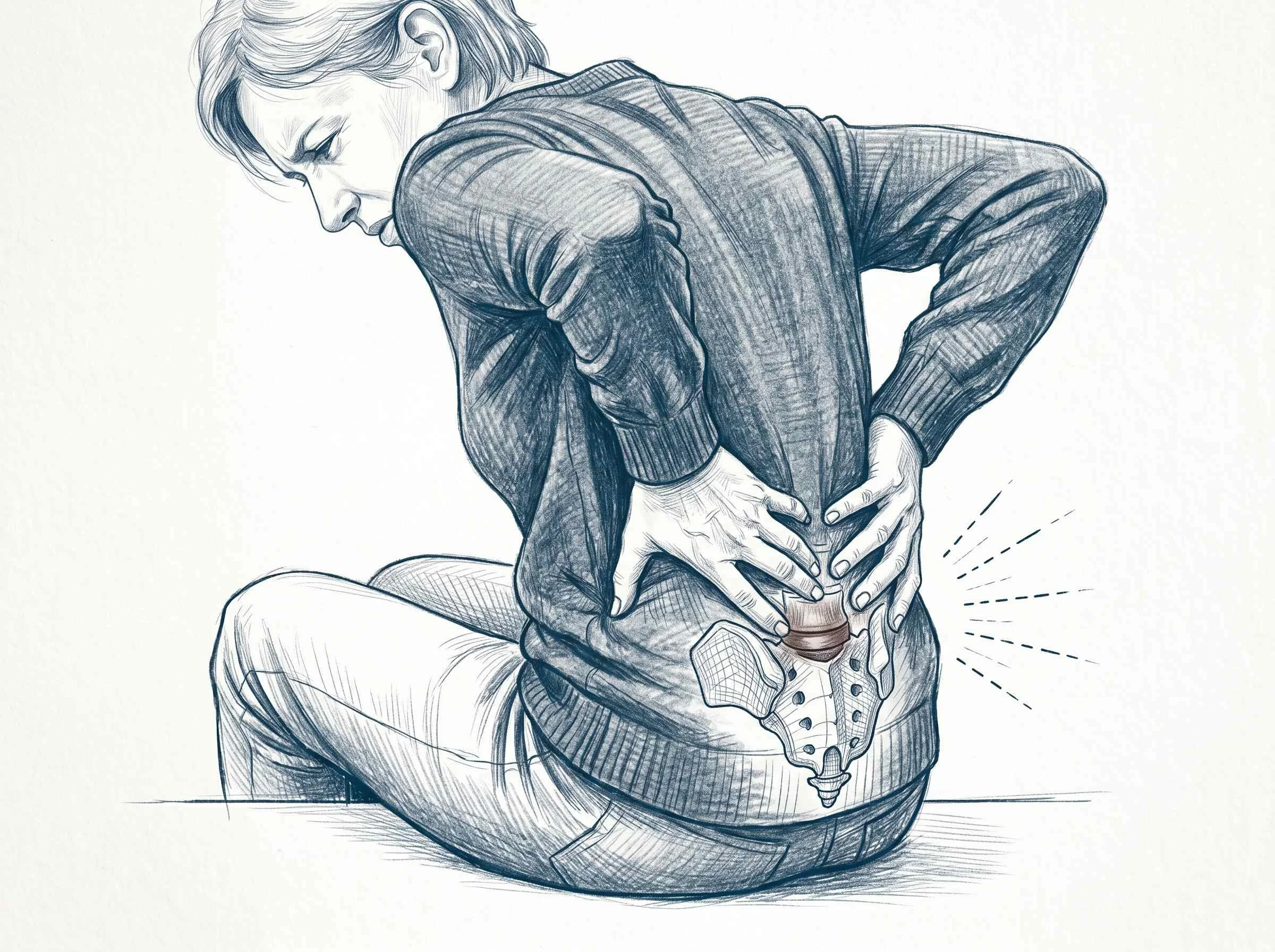
Patient: 25-year-old female
Reason for seeking care: She fell onto her tailbone while skiing and developed sharp coccyx pain—especially when sitting. Rest was not resolving the pain and it was affecting day-to-day comfort.
Assessment & process:
She had an X-ray, which showed no fracture. Based on her history and symptoms, care was focused on reducing irritation and improving coccyx mobility.
Care provided:
Internal coccyx treatment and ultrasound therapy to help reduce inflammation and sensitivity, along with guidance on comfortable sitting positions.
Result:
She reported being pain-free after one treatment, including comfortable sitting again.
Case 2: Sudden back pain with “electric shock” leg pain after deadlifting (Disc herniation)
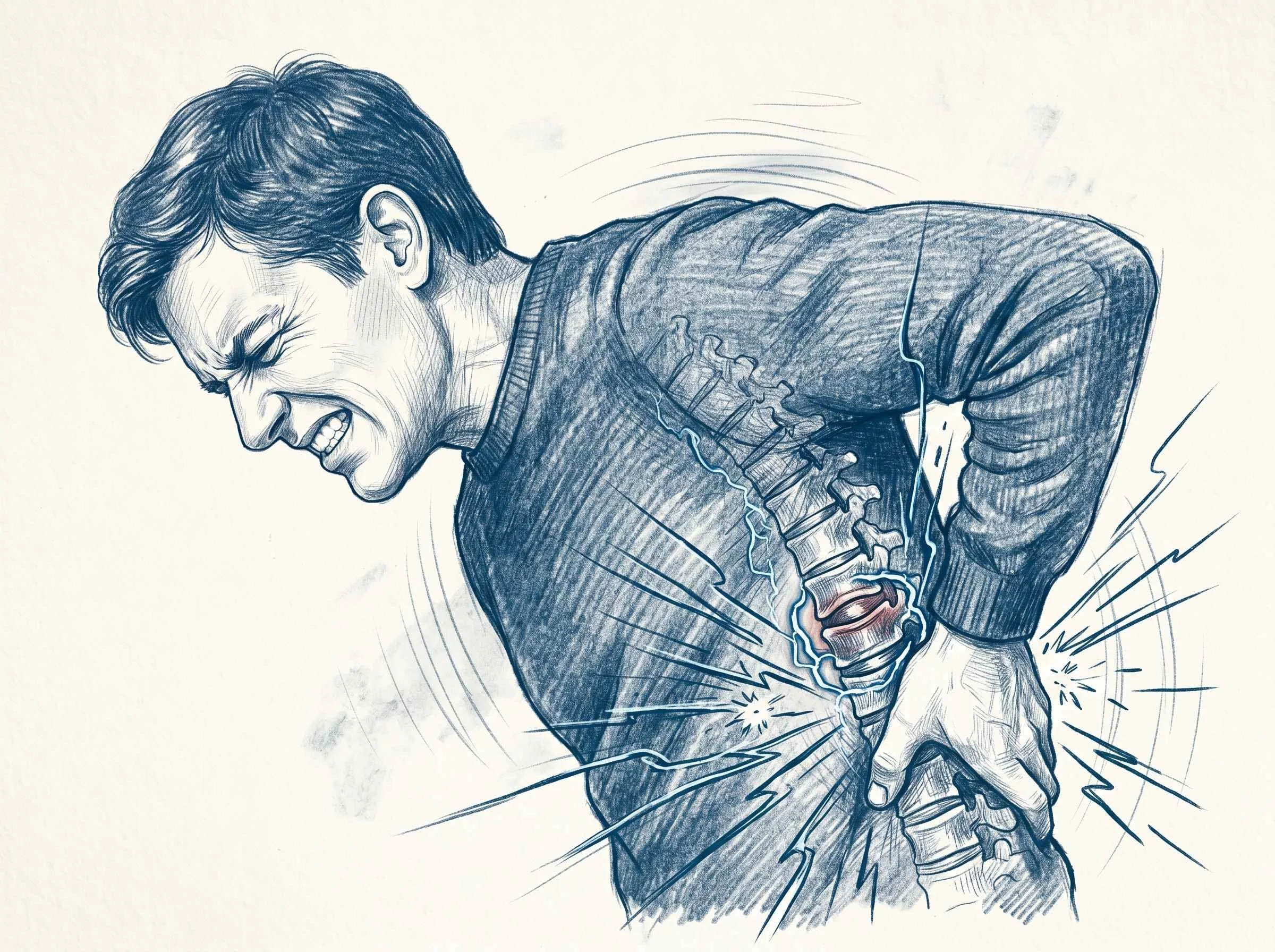
Patient: 48-year-old male
Reason for seeking care: During a deadlift, he felt sudden sharp low back pain followed by intense radiating pain down the entire left leg. The pain was severe enough that he couldn’t move normally and was in significant distress.
Assessment & process:
He was sent to A&E for X-rays and an MRI and was diagnosed with a disc herniation. He was hospitalised for 2 days for pain control and rest. After discharge, he sought care to reduce ongoing pain, improve movement, and start a safe return-to-activity plan.
Care provided:
Chiropractic treatment with a frequency of 3 times per week, with ongoing monitoring of leg symptoms, function, and tolerance to movement. Advice was also provided to pace activity and avoid flare-up triggers.
Result:
After 6 sessions, he reported approximately 90% recovery and began a gradual return to gym training.
Case 3: Chronic low back pain for over 20 years (Long-standing mechanical back pain)
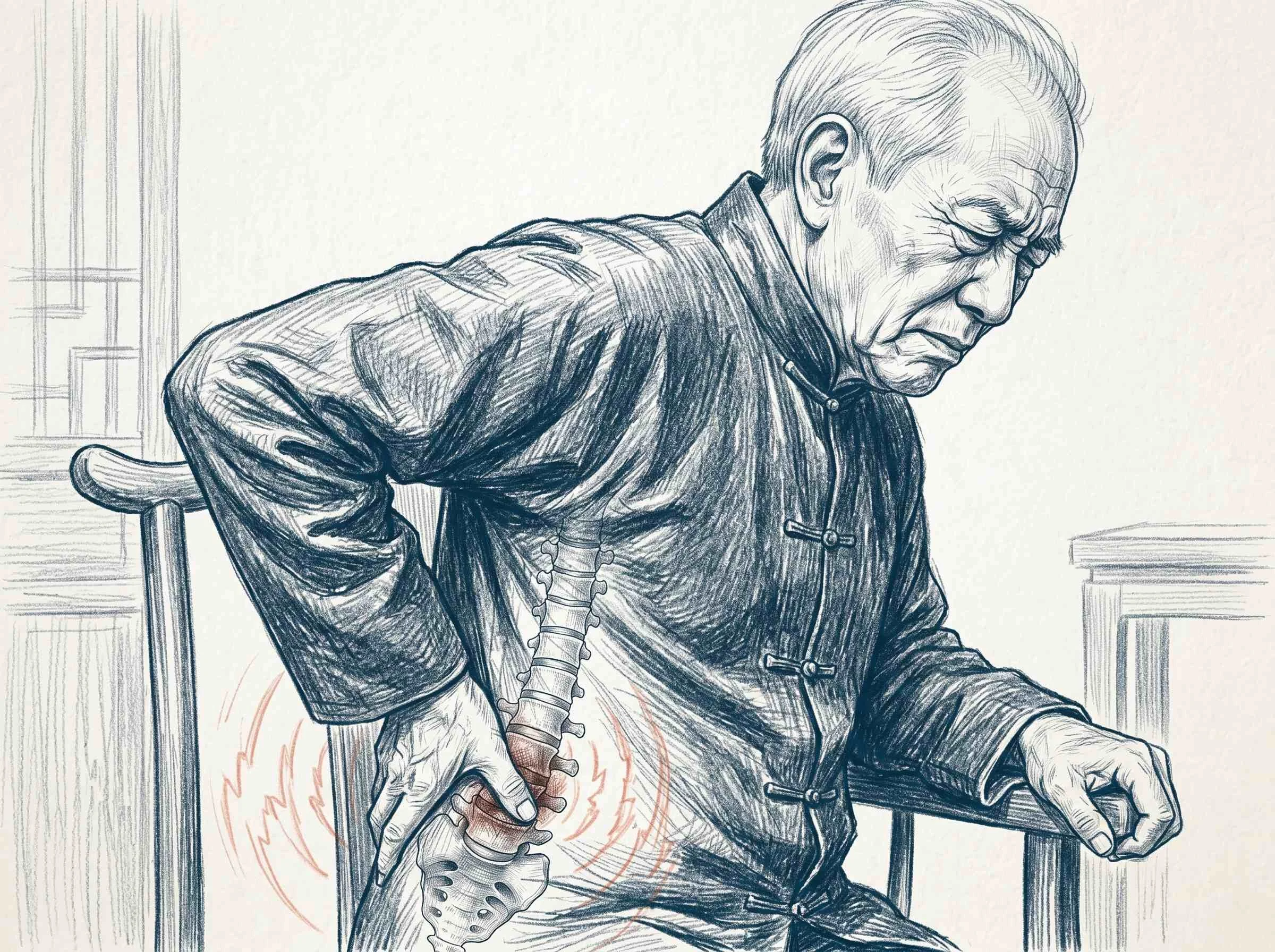
Patient: 75-year-old male
Reason for seeking care: He had chronic low back pain for more than 20 years, with flare-ups that affected walking, standing, and general comfort. He wanted more consistent improvement rather than short-term relief.
Assessment & process:
He had previously used TuiNa and Chinese acupuncture regularly to manage symptoms. After a friend’s referral, he started chiropractic care to address ongoing stiffness, mobility limitations, and recurring pain patterns.
Care provided:
A structured plan focused on improving mobility, reducing recurring tension, and building more stable day-to-day function, alongside practical home guidance.
Result:
His pain during worst episodes reduced from 8/10 down to around 2/10, with improved overall comfort and daily function.
Case 4: Adolescent scoliosis management (Curve control, posture improvement)
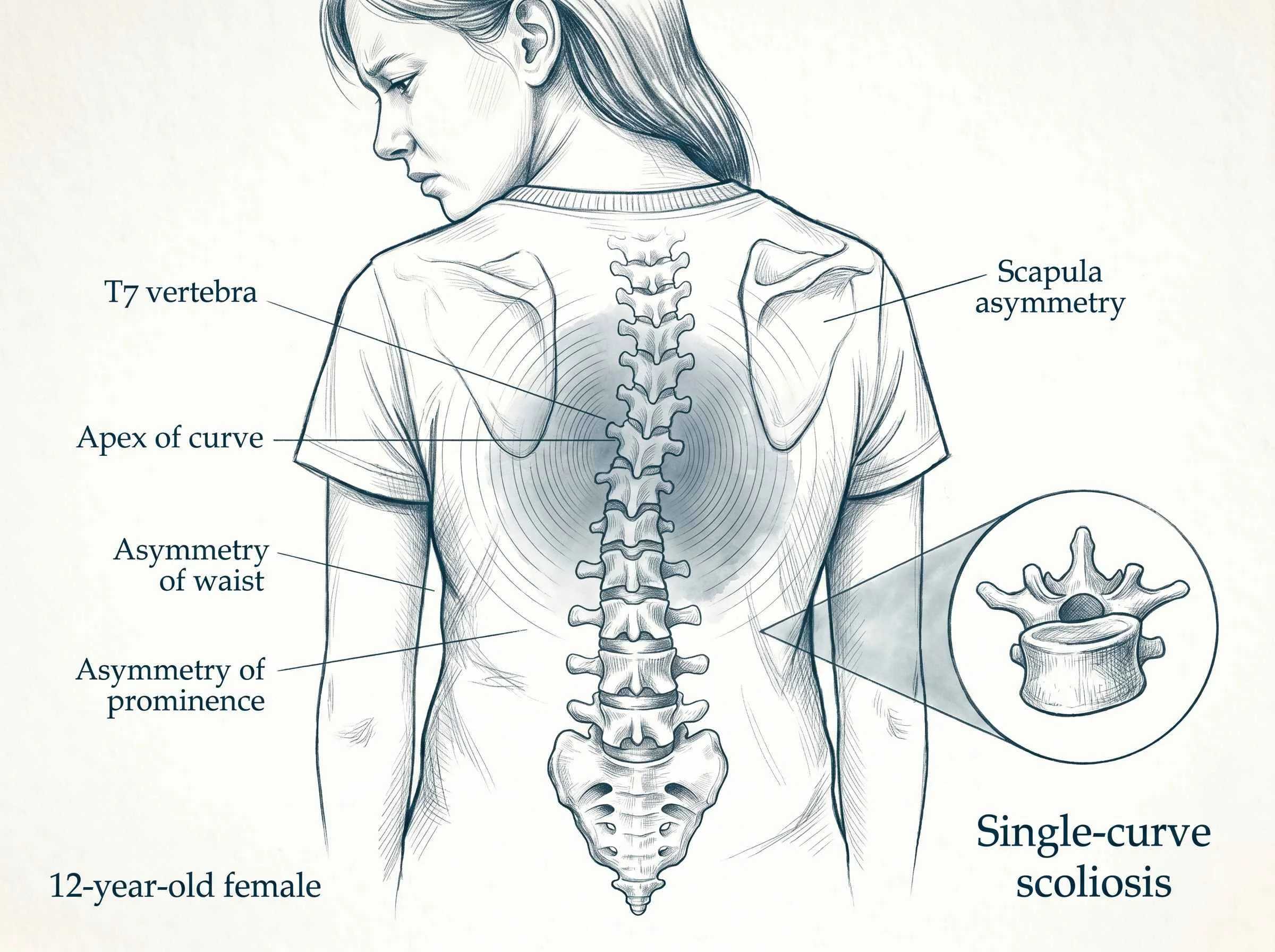
Patient: 12-year-old female
Reason for seeking care: She was diagnosed with a single-curve scoliosis with a Cobb angle of 35°. Due to her risk of progression, the goal was to manage the curve and reduce the chance of worsening as she grew.
Assessment & process:
Care planning focused on scoliosis-specific management and regular progress monitoring. The approach aimed to support posture changes and control progression over time, rather than expecting instant change.
Care provided:
A Schroth Scoliosis Corrective Exercises Programme plus bracing, with an emphasis on consistency, technique, and long-term adherence.
Result:
After 2 years of dedicated treatment, her Cobb angle reduced to 15°, and her overall posture improved.
Case 5: Pubic bone pain late in pregnancy (Pelvic/pubic pain at 35 weeks)
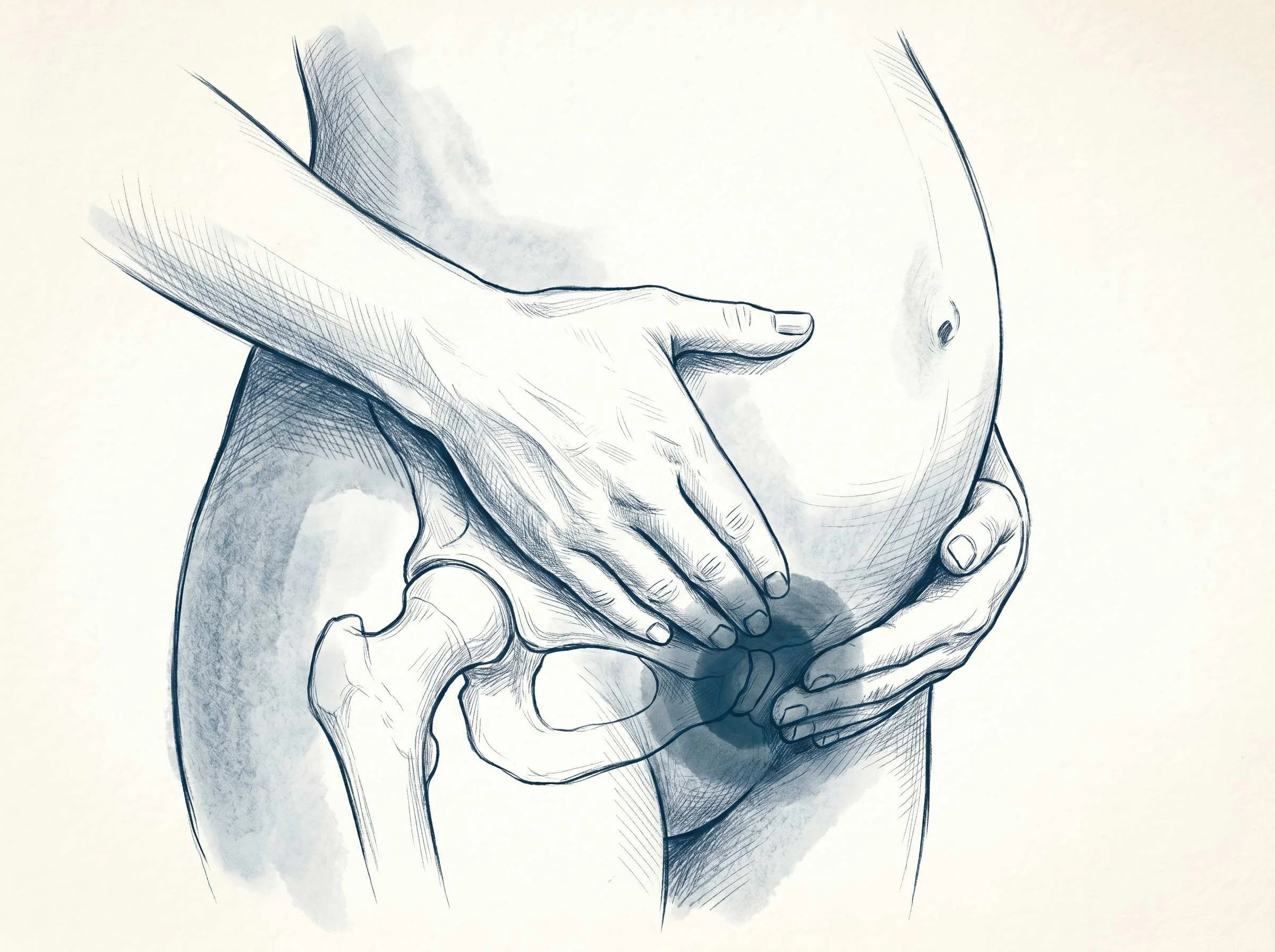
Patient: 33-year-old female, 35 weeks pregnant
Reason for seeking care: She presented with pubic bone pain affecting walking, standing, and getting comfortable—common challenges in late pregnancy. She wanted safe, gentle support to reduce pain and maintain movement as she approached delivery.
Assessment & process:
Care was adapted specifically for pregnancy, with techniques chosen for comfort and safety. The focus was on reducing strain and supporting pelvic and spinal mechanics.
Care provided:
Light and gentle adjustments suitable for pregnancy, along with advice on daily movement strategies to reduce irritation.
Result:
She reported reduced pain and improved day-to-day comfort during late pregnancy.
Important Notes
Outcomes vary depending on the condition, severity, duration, and individual response.
Some people improve quickly; others need a staged plan over time.
If we believe imaging, referral, or co-management is necessary, we will discuss the safest next step with you.
Next Steps
If you’d like to see whether chiropractic care is right for you, we’re happy to help.