
Progress & Outcomes
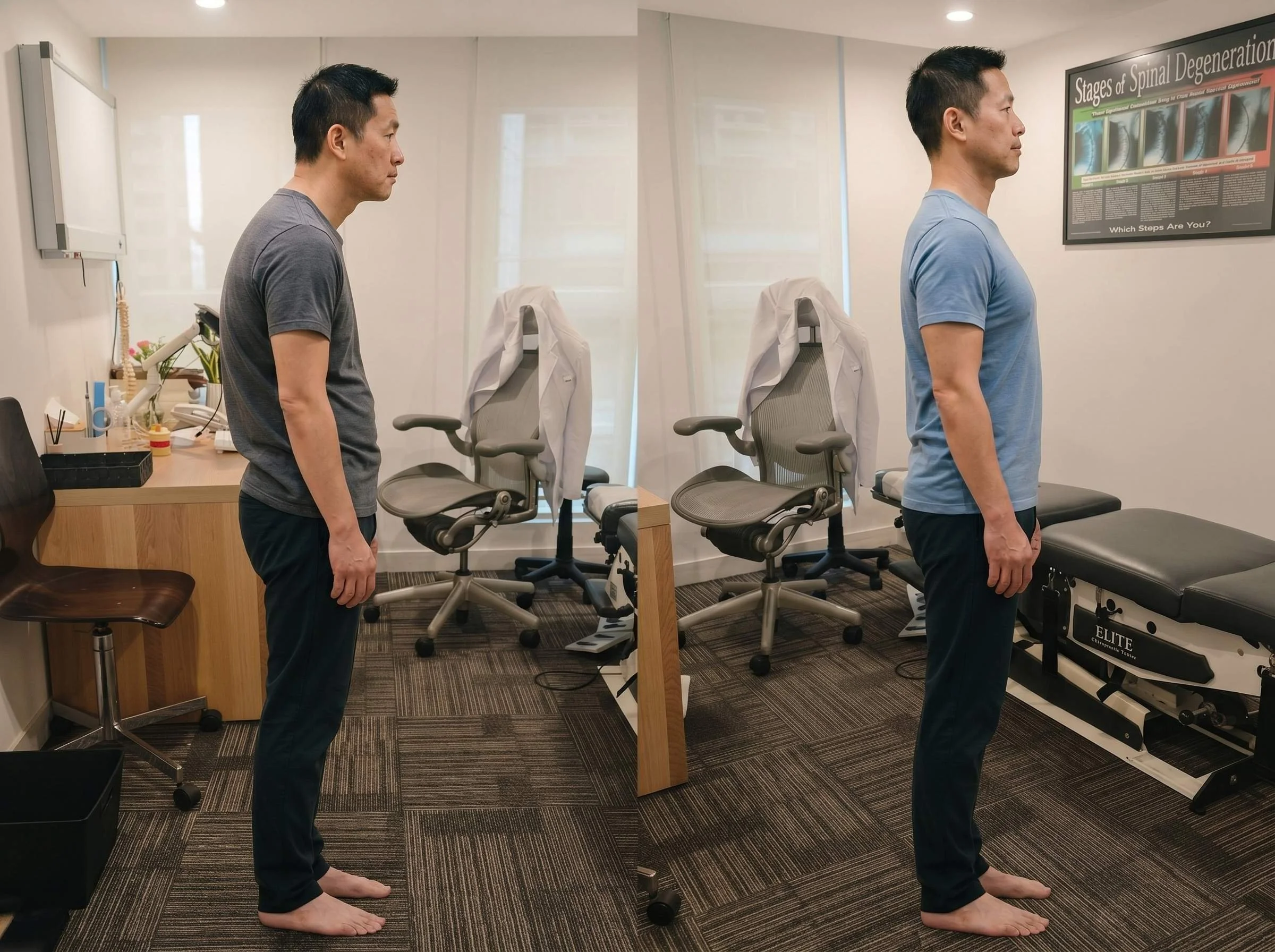
Progress should be measurable and meaningful—not guesswork. While symptom relief matters, we also look at how well you’re moving, functioning, and tolerating the activities that are important to you (work, family life, sport, sleep).
What Do We Mean by “Outcomes”?
Outcomes are the real-life changes you care about, such as:
Being able to sit, stand, walk, or lift with less limitation

Returning to training, sport, or daily routines and work duties

Having fewer flare-ups (or shorter, less intense flare-ups)

Improving sleep and comfort throughout the day
Building more confidence in movement and less fear of “setting it off”

How We Measure Progress (So We Don’t Guess)
We typically measure progress using a combination of subjective (your experience) and objective (what we can test) markers. Which measures we use depends on your condition and goals.
1) Symptom Measures (your experience)
Distribution (local vs spreading symptoms)

Pain Intensity across typical and worst days
Frequency (how often symptoms appear)

Duration (how long flare-ups last)

Irritability (how easily symptoms trigger)

2) Functional Measures (What You Can Do)
Sitting tolerance for desk and driving time

Standing tolerance during daily activities
Walking tolerance for errands and commuting

Lifting tolerance for home, work, and gym

Sleep tolerance across night & morning stiffness

3) Movement & Physical Measures (What We Can Test)
Range of motion in relevant joints

Key movements that reproduced symptoms

Strength in the muscles that matter

Control during stable, repeatable tasks

Sensitivity to specific positions or loads

4) Goal-Based Measures (Your Personal Targets)
Driving comfortably for a set duration
Training consistently across the week
Sleeping with fewer wake-ups at night

Working with stable day-to-day comfort

Lifting with better confidence and form

What “Good Progress” Usually Looks Like
Progress can look different for each person, but there are a few reliable signs that things are moving in the right direction. Most commonly, symptoms become less intense over time and flare-ups—if they occur—tend to be shorter and easier to settle. You may notice that you recover more quickly after busy days, and that your tolerance for key activities (such as sitting, lifting, walking, training, or working) gradually improves.
Progress is individual, but we like to track simple, measurable changes. Here are realistic examples of what “good progress” can look like:

Pain intensity (0–10): Typical days shift from 6/10 → 3–4/10, and flare-ups drop from 8/10 → 5–6/10.

Flare-up duration: Flare-ups reduce from 3–5 days → 24–48 hours, with quicker recovery after busy days.

Sitting/desk tolerance: Symptoms start after 10–15 minutes, then improve to 45–60 minutes before they build.

Walking tolerance: Comfortable walking increases from 10 minutes → 30 minutes (or more) without a symptom spike.

Sleep: Waking due to symptoms reduces from 3–4 times/night → 0–1 time/night, and morning stiffness drops from 60 minutes → 10–20 minutes.

Return to activity: Training consistency improves from 0–1x/week → 2–3x/week, with fewer setbacks.
When We Reassess and Adjust the Plan
We don’t simply repeat the same approach indefinitely. We regularly review outcomes and adjust based on what your body is showing. The goal is to keep care matched to your current stage.
Adjustments may include:
Refining hands-on techniques and focus

Progressing or simplifying home exercises

Changing visit frequency as you improve
Shifting emphasis toward load management

If Progress Is Slower Than Expected
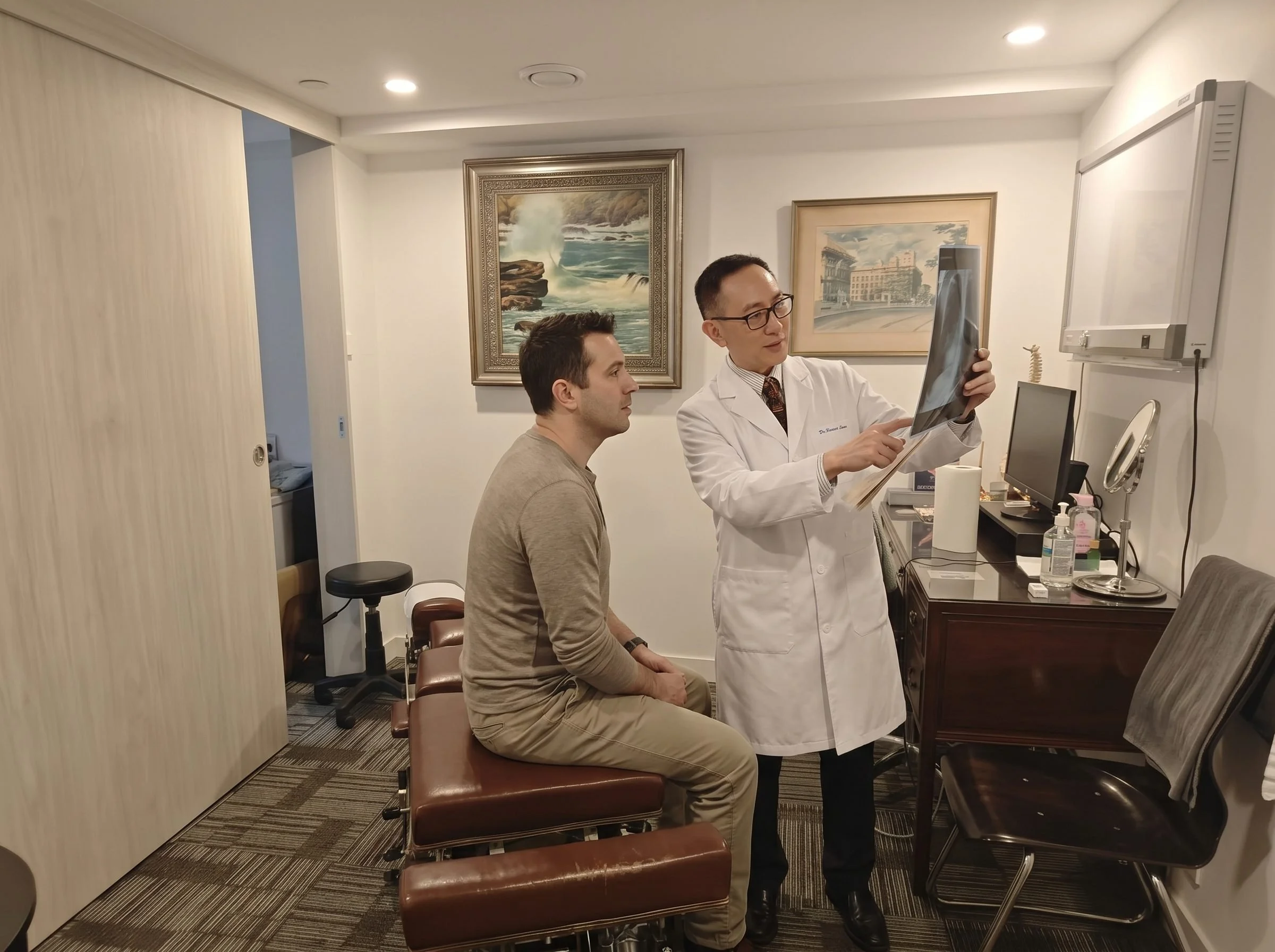
If improvement is limited, we take a structured approach rather than “pushing through.” We will revisit key findings from your assessment, review daily load and aggravating factors, and adjust technique, pacing, and home steps to better fit what your body is responding to.
If it becomes appropriate, we may discuss imaging or other investigations, or recommend referral or co-management with another healthcare professional. If a different pathway is needed, we will explain why and guide you clearly through the next steps.
What You’ll Leave With Each Visit

We aim for you to leave knowing:
What we are tracking and why
What changed since last time
What your next step is at home
What is normal during recovery
What would warrant checking in

Your Progress, Your Decisions
Our role is to guide you with clear assessment, measurable outcomes, and practical next steps. Your role is to share what you’re experiencing and what matters most—so we keep care aligned with your goals.