
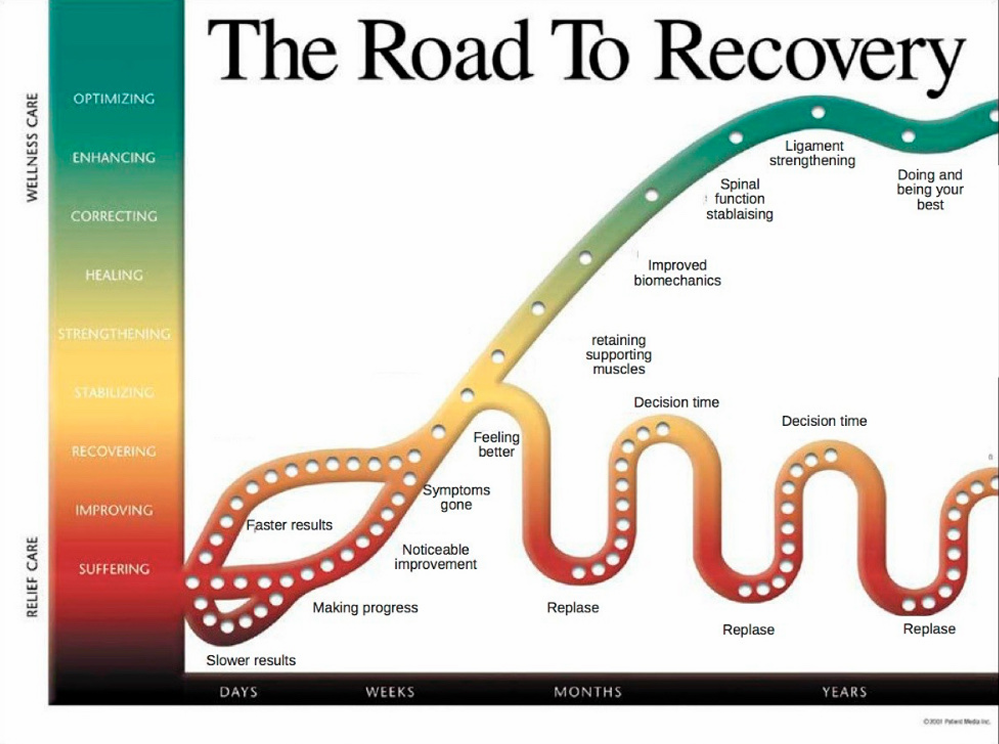
Your Care Journey
Recovery is rarely a single appointment—it’s a process. While every person’s needs differ, many chiropractic cases can be organised into 3 broad stages. Each stage has its own goals, approach, and typical visit frequency.
Stage 1:
Relief Care
Goal
Reduce pain, calm irritation, and restore comfortable day-to-day movement.
What we focus on
In this stage, the priority is to settle symptoms and help you move more comfortably in daily life.
Reduce pain and calm irritation

Restore comfortable, basic mobility

Support safer movement day to day

Manage flare-ups and prevent setbacks

What care may include
Care may include short-term symptom relief and gentle support to restore comfortable movement.
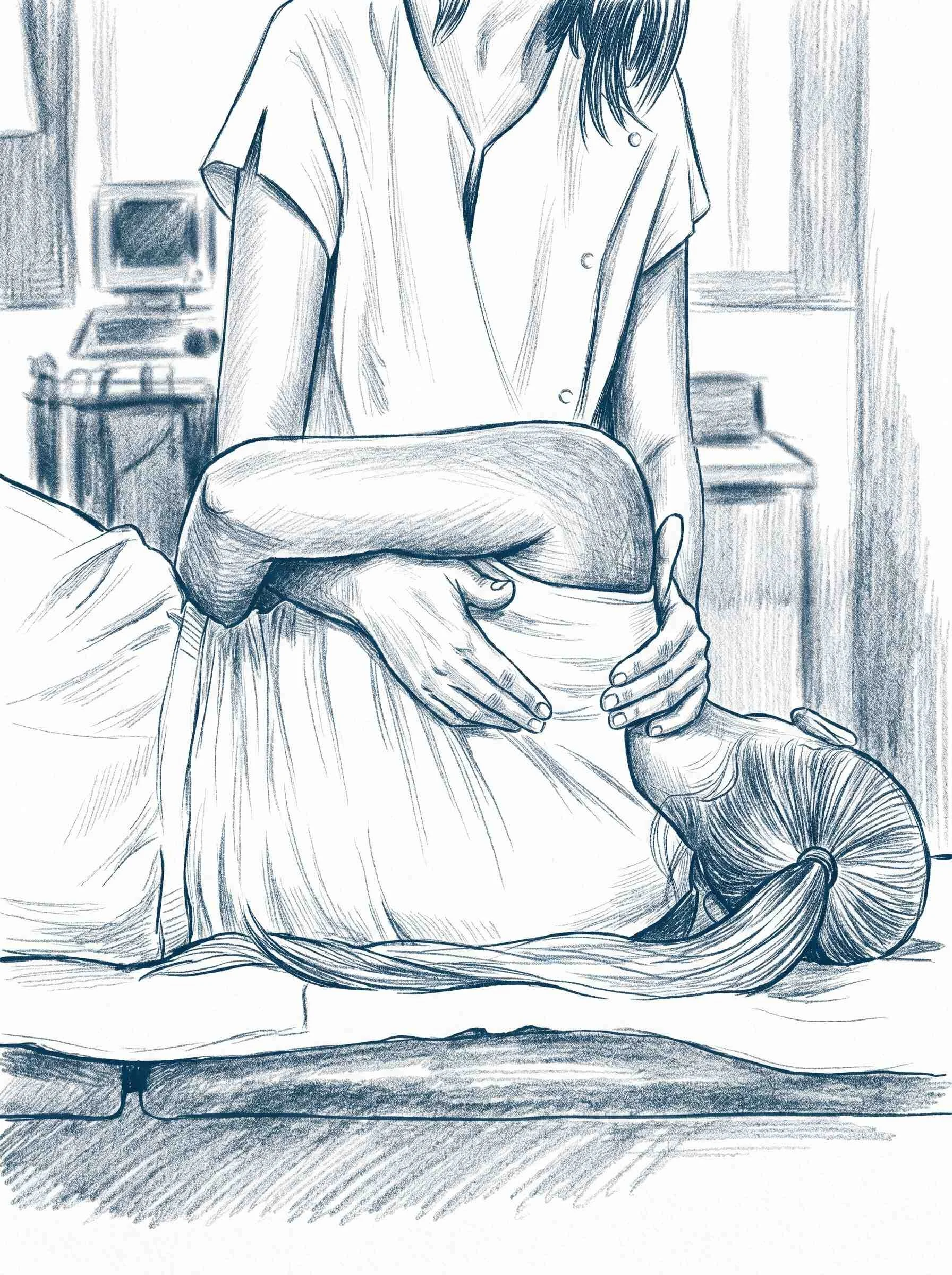
Gentle hands-on adjustment and mobilisation

Soft tissue techniques for tension

Simple home care and activity advice
Stage 2:
Stabilisation / Corrective Care
Goal
Rebuild capacity and reduce recurrence risk by improving stability, control, and movement habits.
What we focus on
In this stage, we work on building consistency, control, and capacity so improvements last.
Improve joint stability and control
Retrain movement patterns and posture

Build strength and resilience over time

Increase tolerance for work and sport

What care may include
Care may include progressive treatment and rehab to build stability, control, and resilience.

Hands-on care to support mobility

Progressive rehab and strengthening
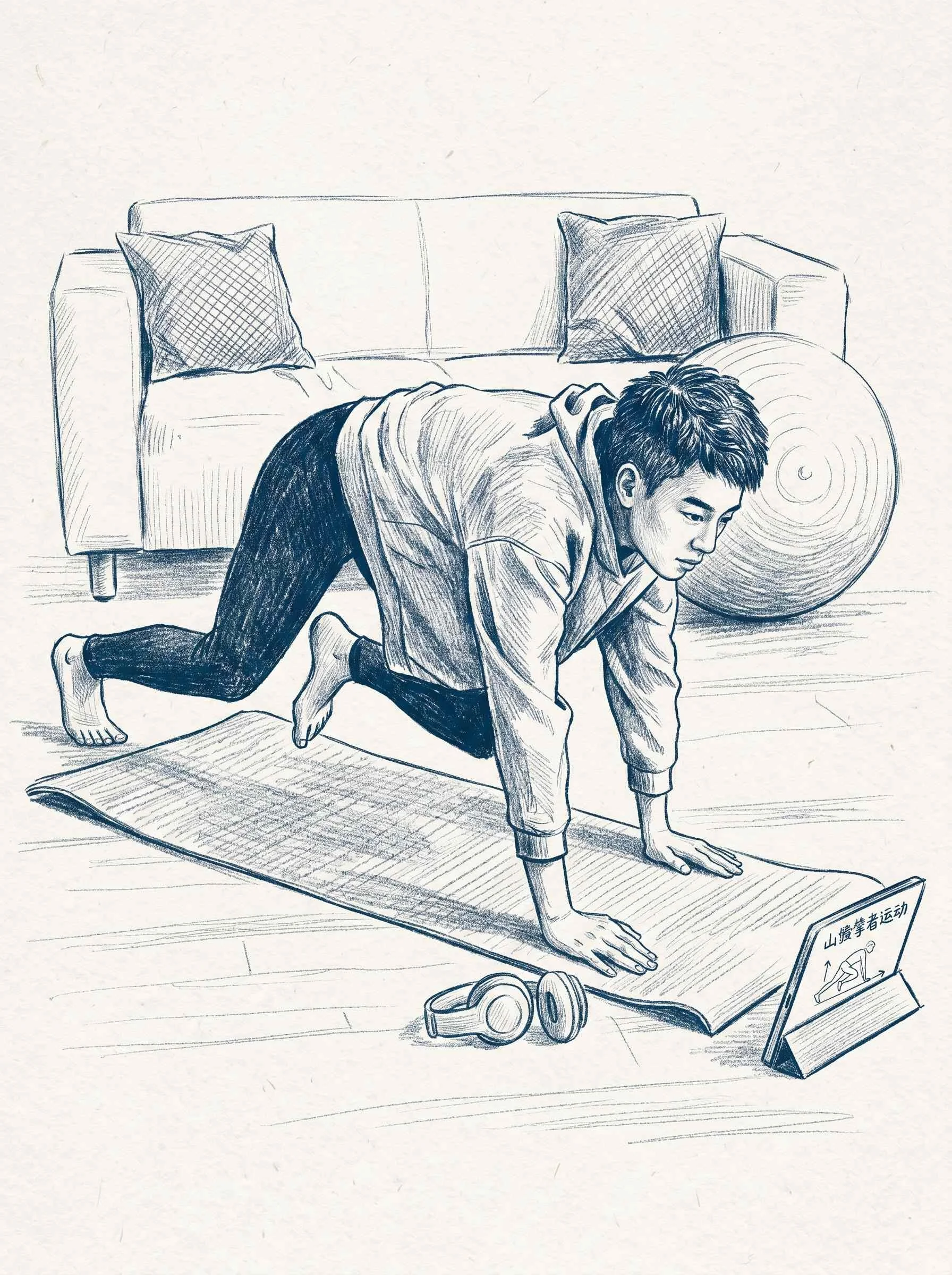
Ergonomic advice and home exercises
Stage 3:
Maintenance / Wellness Care
Goal
Maintain progress, prevent recurrence, and support long-term musculoskeletal health and performance.
What we focus on
In this stage, the aim is to maintain results, reduce recurrence risk, and support long-term performance.
Maintain mobility and symptom control

Reduce recurrence and flare-up risk

Support long-term health and function
Stay aligned with your lifestyle goals

What care may include
Care may include periodic check-ins to maintain progress and help prevent recurrence.
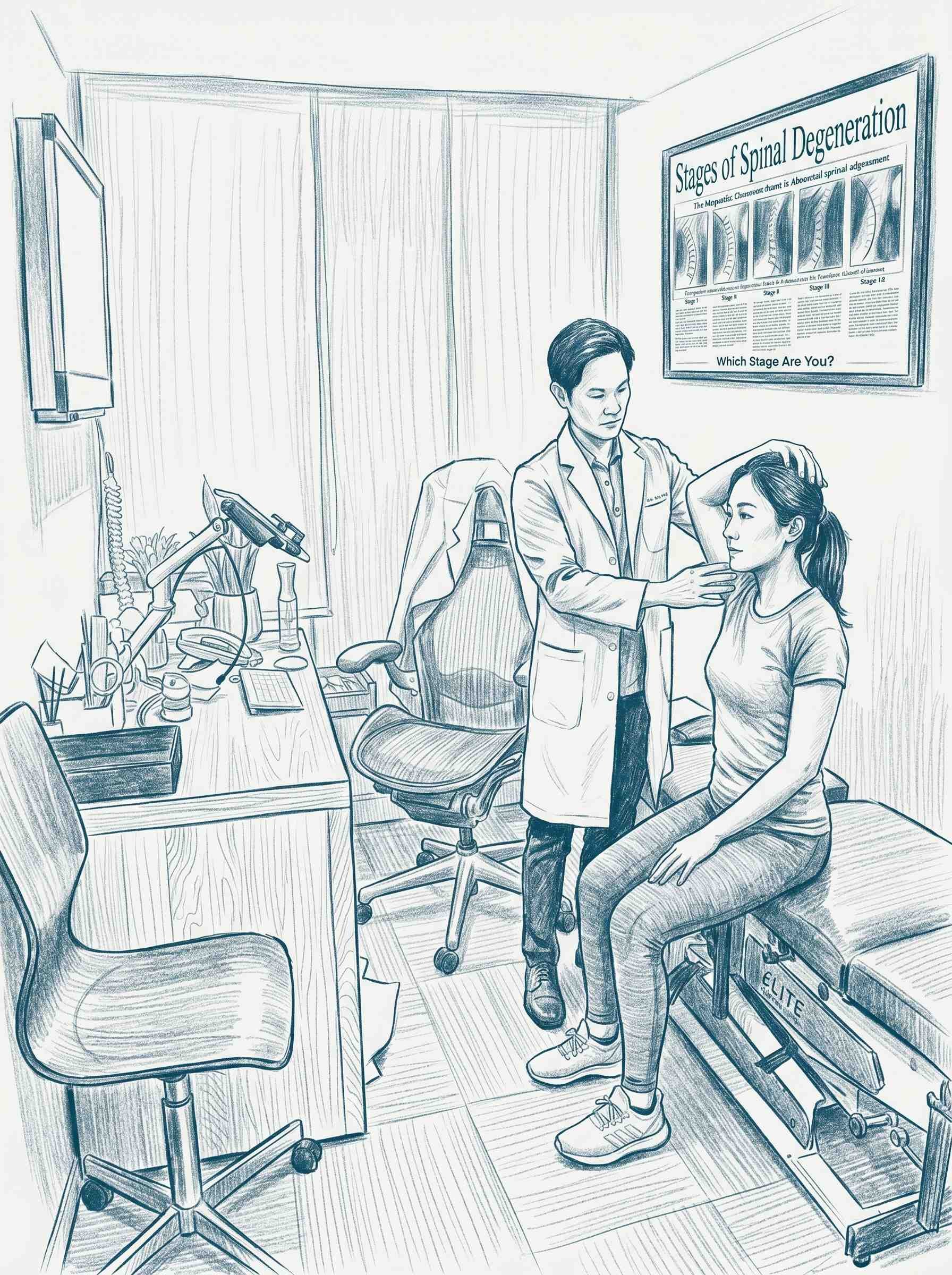
Periodic reviews and reassessment
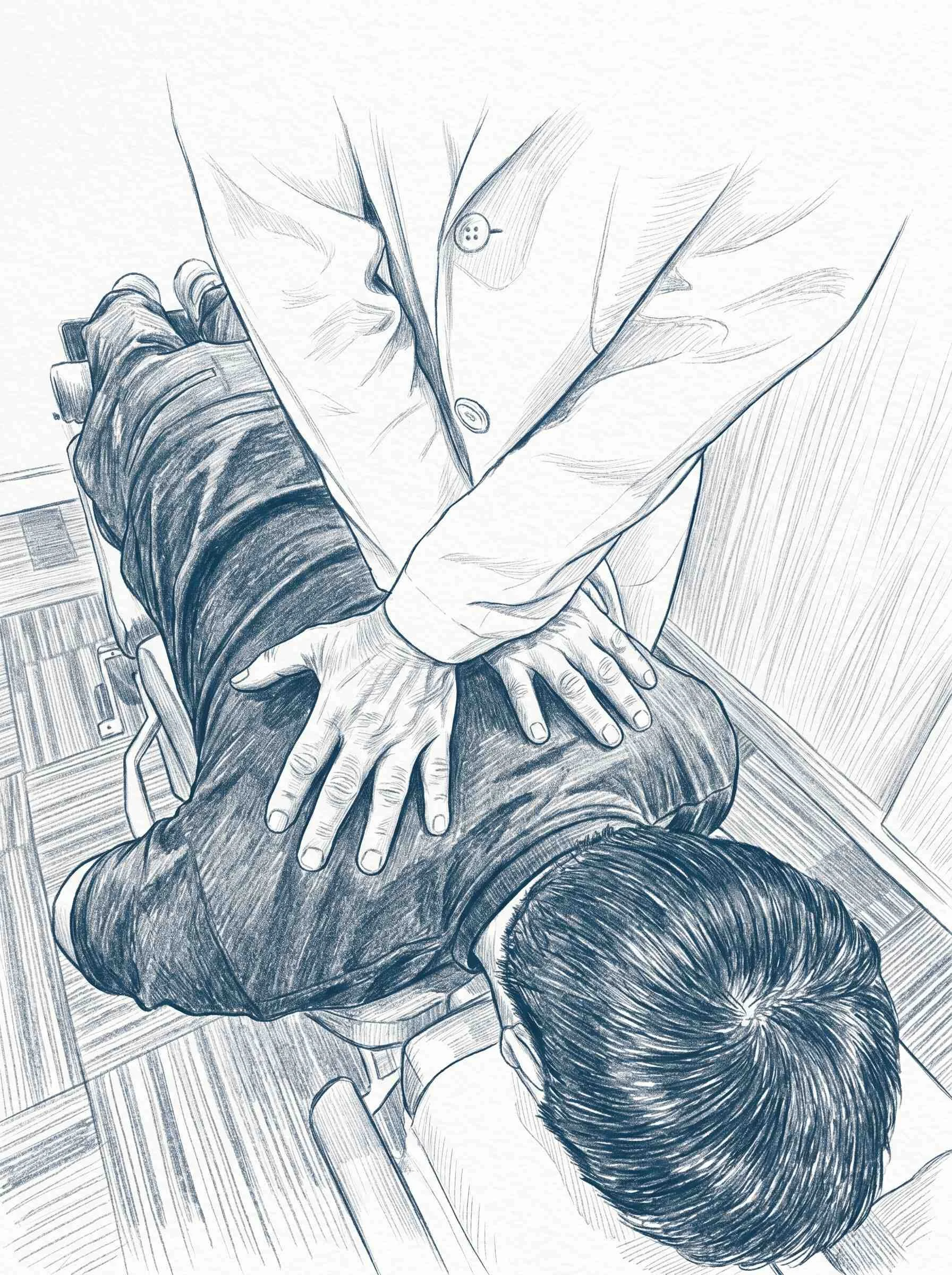
Targeted treatment as needed
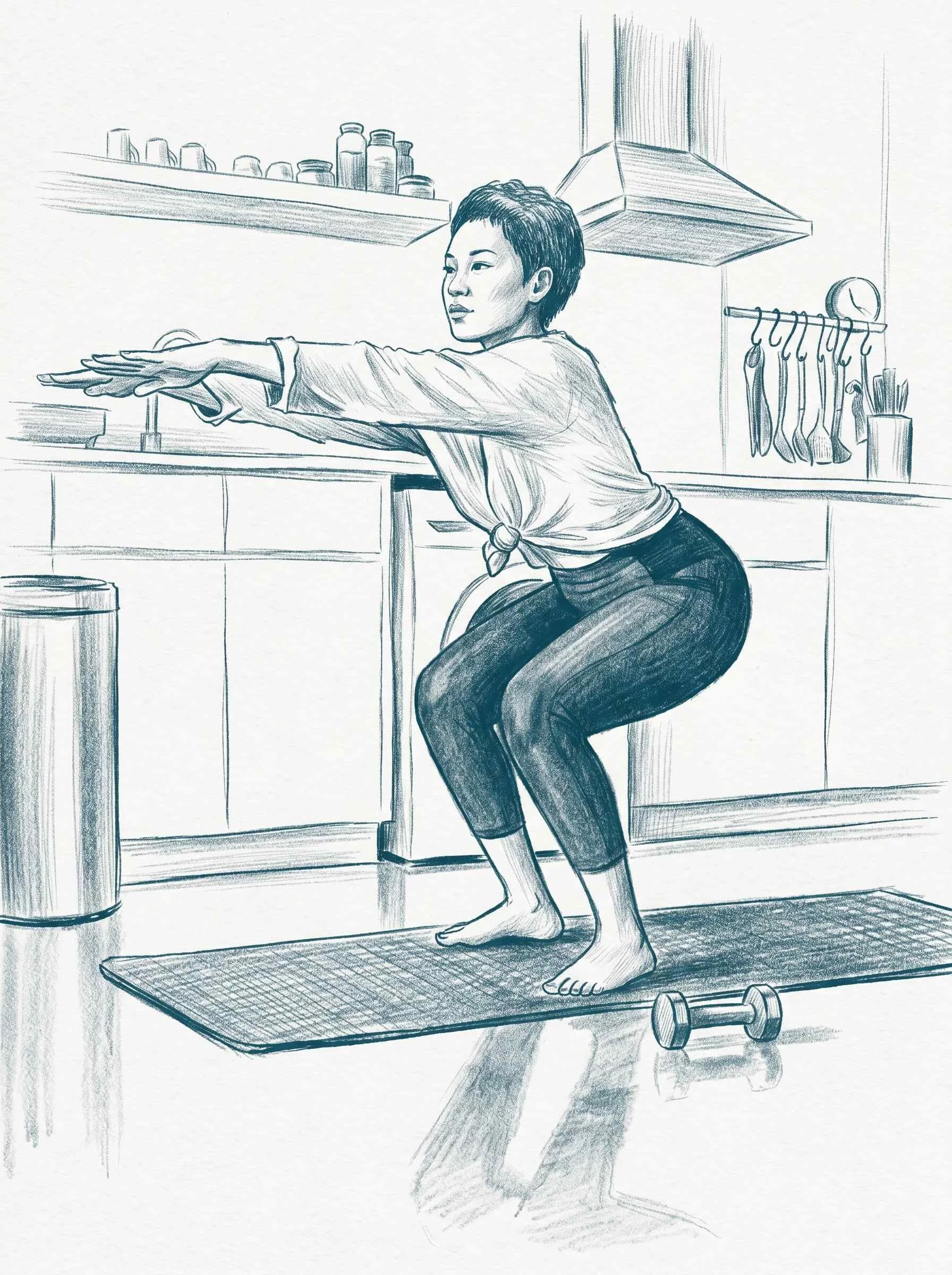
Updated home program and guidance
How We Decide the Right Stage for You

Your chiropractor uses your history and examination findings to clarify:
Whether your problem is mainly acute, chronic, or a combination
Whether symptoms are driven more by joint restriction, muscle tension, or mechanical strain (often overlapping)
Your functional goals (work, parenting, sport, daily comfort)
Any reasons to refer or co-manage (when appropriate)
If imaging (e.g. X-ray) or referral is recommended, we will explain why and how it supports safe, appropriate care.

How Progress is Measured
We track progress using practical measures, such as:
Pain levels and symptom behaviour

Daily function (sleep, sitting, lifting, walking)

Range of motion and movement quality

Strength/control testing where relevant

Posture or gait changes when appropriate

A Note on Timelines and Frequency
Everyone responds differently. Some people improve quickly, while longer-standing issues may take more time and a staged approach. Your plan may change as you progress—this is normal and often a sign that care is being tailored to your response rather than following a fixed template.
Next Steps
If you’d like to discuss where you are in your care journey, please call us or use the enquiry form on this page and our team will respond with the next available options.