
Postpartum Spinal Recovery Workshop: Belly Binding, Diastasis Recti and Postnatal Pain
Recovering after childbirth takes time. Many mothers may notice changes in posture, core strength, pelvic stability, or spinal comfort while caring for their newborn. Our clinic was pleased to be invited to take part in a postpartum care workshop, where Dr Crystal Lam shared practical information on postpartum spinal health, belly binding, diastasis recti, and common pain concerns after delivery.
The aim of the workshop was to help mothers better understand common postnatal body changes and know when further professional advice may be helpful.
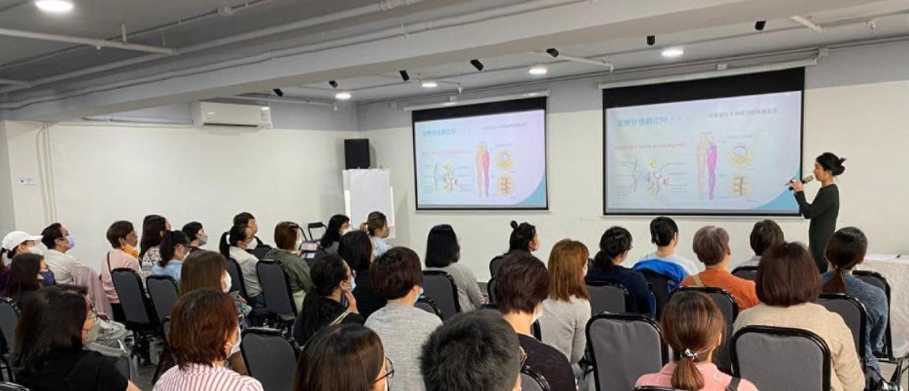
Understanding Postpartum Body Changes
After pregnancy and delivery, the body goes through a period of recovery. Changes in abdominal strength, pelvic stability, posture, and daily baby-care routines may place extra stress on the spine and surrounding muscles.
Common postnatal concerns may include:
Lower back discomfort
Pelvic or hip pain
Neck and shoulder tension
Wrist or upper back strain from carrying the baby
Core weakness or abdominal separation
Pain during feeding, lifting, or prolonged sitting
While some discomfort may be common after childbirth, persistent or worsening pain should not be ignored.
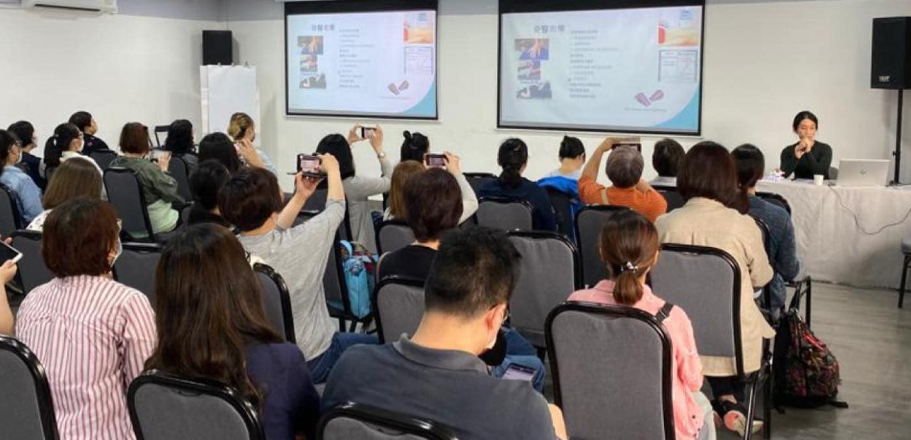
Belly Binding and Diastasis Recti
One of the topics discussed was whether postpartum belly binding may help with diastasis recti.
Diastasis recti refers to the separation of the abdominal muscles along the midline, which may occur during or after pregnancy. Belly binding may provide temporary support and comfort for some mothers, especially in the early postnatal period. However, it should not be seen as the only solution.
Recovery may also involve gentle core rehabilitation, breathing exercises, pelvic floor awareness, and proper movement guidance. Belly binding should not be too tight, and mothers with C-section wounds, significant pelvic discomfort, or other medical concerns should seek advice before using it.
Should the Spine Be Checked Before Belly Binding?
A postnatal spinal and posture assessment may help identify areas of strain or imbalance before using belly binding. This can be useful because postnatal pain is not always caused by the abdomen alone.
Lower back or pelvic discomfort may also be related to posture, muscle weakness, feeding positions, lifting habits, or joint stress. For mothers with scoliosis, belly binding should be considered carefully, as spinal alignment varies from person to person. The goal should be support and comfort, not forceful correction.
Simple Postnatal Care Tips
Mothers can support recovery through small daily habits:
Avoid staying in one posture for too long
Keep the baby close to the body when lifting
Support the back and arms during feeding
Avoid prolonged bending over the cot or changing table
Start gentle movement gradually when appropriate
Seek help if pain affects daily activities
Postnatal recovery takes time. Mothers should be encouraged to care for their own bodies while caring for their babies.
Conclusion
We would like to thank Cheer Baby , the organiser, for inviting Dr Crystal Lam to share at this postpartum care workshop. Clear and practical guidance can help mothers better understand postpartum recovery, pain management, and the safe use of belly binding. More information about the organiser can be found at https://www.cheerbaby.com.hk.
