
Pregnancy and Postnatal Chiropractic Care Seminar for Parents-to-Be
Our clinic was pleased to be invited to participate as speakers at a pregnancy seminar for parents-to-be. Dr Crystal and Dr Alex shared practical information on pregnancy and postnatal chiropractic care, with a focus on spinal health, posture changes, and common pain concerns during and after pregnancy.
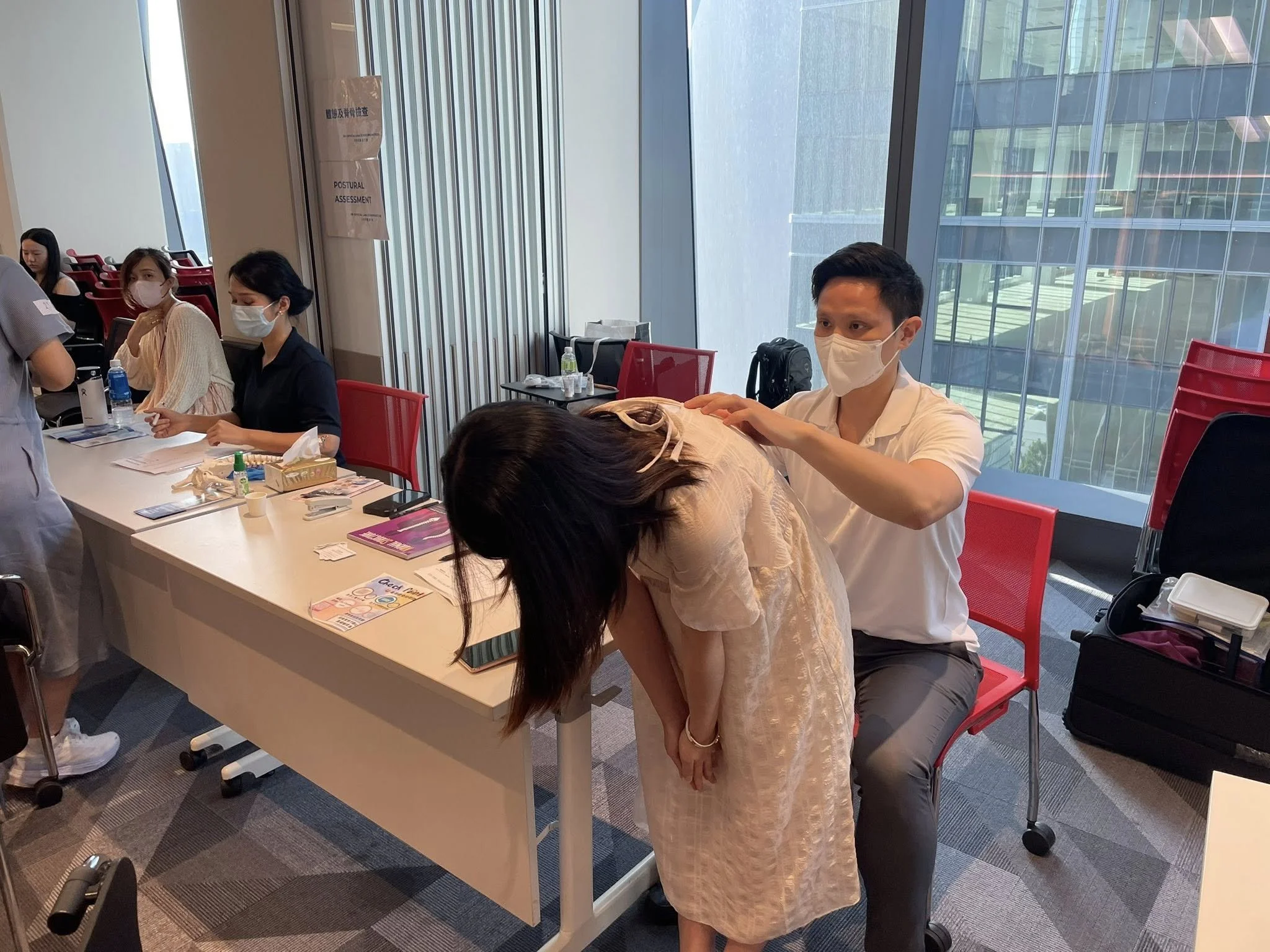
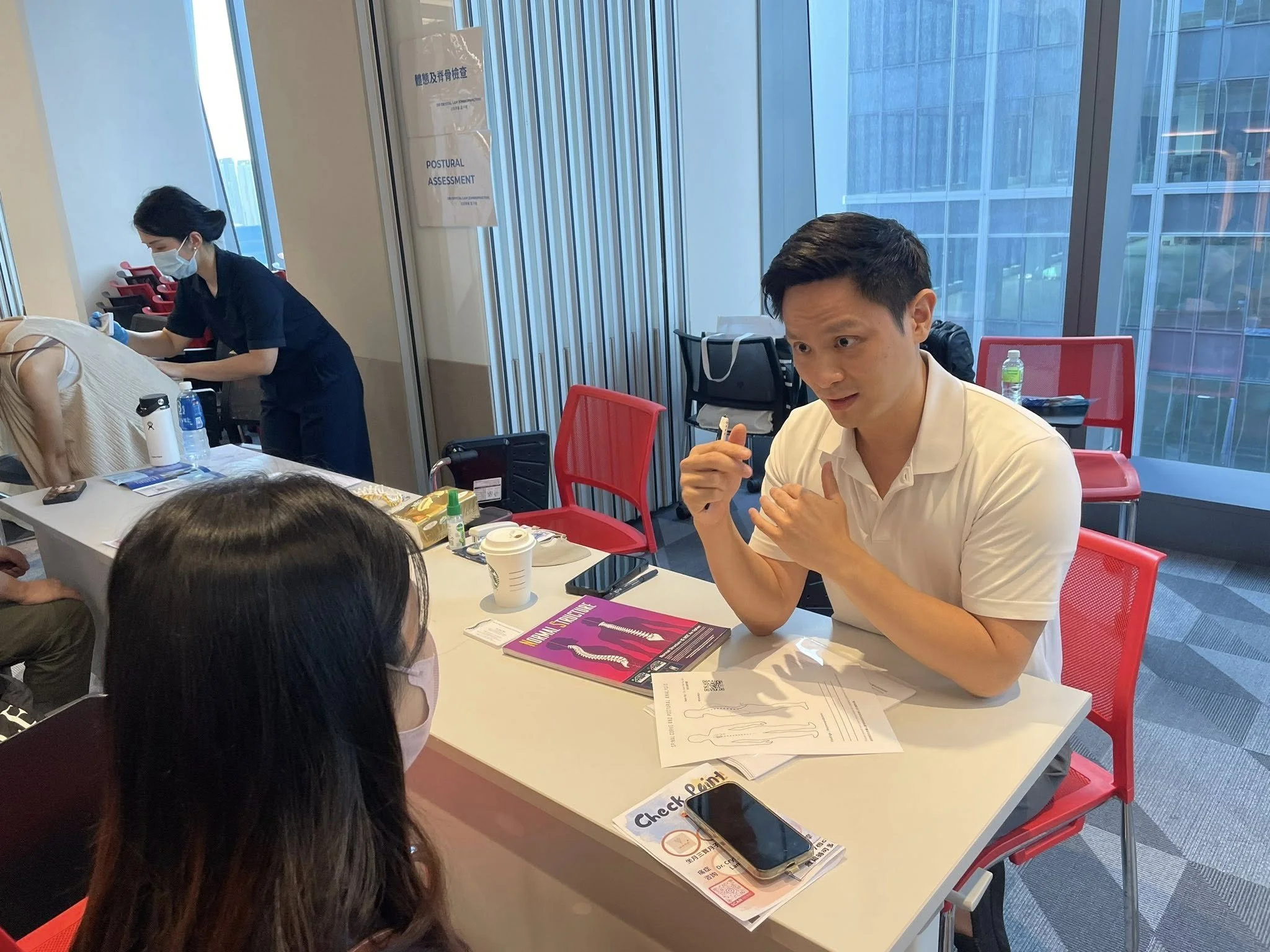
The event was attended by around 160 expectant parents, providing a valuable opportunity for families to learn more about maternal health, newborn preparation, and supportive care during this important stage of life. As part of our participation, our team also provided a spinal screening and consultation station, where attendees could ask questions and receive general guidance on posture and spinal health.
Understanding Body Changes During Pregnancy
Pregnancy brings many natural changes to the body. As the baby grows, the body’s centre of gravity shifts forward, which may increase stress on the lower back, pelvis, hips, and surrounding muscles. Hormonal changes can also affect ligament flexibility and joint stability.
Because of these changes, some expectant mothers may experience:
Lower back discomfort
Pelvic or hip pain
Neck and shoulder tension
Postural strain
Difficulty finding comfortable sleeping positions
Muscle tightness or fatigue
These symptoms are common during pregnancy, but they should not be ignored if they become persistent, worsen over time, or affect daily activities.
Postnatal Pain and Posture Awareness
After delivery, new mothers may continue to experience physical strain. Feeding, carrying the baby, bending over the cot, changing nappies, and lack of rest can all place pressure on the neck, shoulders, back, wrists, and pelvis.
During the seminar, Dr Crystal and Dr Alex discussed the importance of posture awareness in daily parenting activities, such as:
Supporting the back while breastfeeding or bottle-feeding
Avoiding prolonged bending when changing nappies
Keeping the baby close to the body when lifting
Taking short movement breaks when possible
Seeking help if pain becomes persistent or limiting
Postnatal recovery takes time, and mothers should be encouraged to care for their own bodies while caring for their newborns.
The Role of Spinal Screening and Consultation
The spinal screening and consultation station allowed attendees to better understand possible postural stress and areas of discomfort. It also provided an opportunity for expectant parents to ask general questions related to pregnancy-related back pain, posture, and daily movement habits.
It is important to note that screening is not a medical diagnosis. Instead, it may help identify whether further professional assessment is appropriate. Pregnant or postnatal mothers experiencing ongoing pain, numbness, weakness, or significant movement difficulty should seek advice from an appropriate healthcare professional.
Practical Tips for Expectant and New Mothers
Small daily habits can help reduce unnecessary strain during pregnancy and postpartum:
Change positions regularly and avoid staying in one posture for too long
Use pillows to support the back, belly, or knees when resting
Bend from the hips and knees when lifting, rather than rounding the back
Keep feeding areas well supported and comfortable
Avoid carrying heavy items on one side for long periods
Listen to the body and seek advice when discomfort does not improve
Good spinal health during pregnancy and postpartum is not about maintaining a “perfect posture” all the time. It is about understanding body changes, reducing avoidable strain, and getting support when needed.
Conclusion
We would like to thank Hong Kong Children Education Limited (HKCEA), the organiser, for inviting Dr Crystal and Dr Alex to share at this meaningful event for parents-to-be. Pregnancy and early parenthood can bring many physical changes, and education plays an important role in helping mothers feel more informed and prepared. Through practical guidance, discussion, and general spinal health screening, we hope the session provided useful support for expectant and new parents.
For more information, please visit: https://bnh.swiss
